Rwanda has expanded electricity access across the country, but power outages, incomplete connections and ageing off-grid solar systems remain among the challenges to be addressed before the 2029 target for reliable electricity access, senators said Thursday.
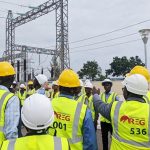
The concerns were raised during a meeting between the Senate’s Committee on Economy and Finance and the Rwanda Energy Group (REG), whose management appeared before the committee to present progress on government efforts to expand electricity access.
Senators said electricity access in every district has reached more than 80% and commended REG for progress made after committee members visited districts, power plants, industries, schools and health facilities.
They also pointed to continued power shortages in some areas, poles installed without connecting wires and delays in responding to residents’ complaints.
REG Director General Maximilien Byilingiro outlined measures being implemented to address the problems, including the construction of 381.8 kilometres of new electricity networks and 11 substations.
The Nyabarongo II hydropower project, expected to generate 43.5 megawatts, is 75% complete, while planned solar energy projects are expected to generate more than 200 megawatts.
REG also plans to connect 25 remaining sectors without electricity this year.
The utility is introducing technology to improve applications for electricity connections and speed up services to customers.
Senators raised particular concerns about how off-grid solar users are counted in electricity-access figures, saying some systems installed for households have stopped working after becoming old, while companies that installed them may not return to repair them.
They called for better coordination to ensure such systems are maintained and remain functional.
Byilingiro thanked the Senate for raising issues reported by residents and for its role in finding solutions with REG.
The two sides said the measures under way are aimed at closing the remaining gaps and improving the reliability of electricity supply by 2029.