From a Forgotten Frontier to Rwanda’s Emerging Gateway
For decades, Bugesera was associated with hardship, isolation, and neglect. Historically marked by displacement, poor infrastructure, and difficult living conditions, the district stood on the margins of national development. Today, however, Bugesera is rapidly emerging as one of Rwanda’s most strategic and promising districts — driven by major infrastructure projects, growing investor confidence, and the transformative impact of a new International Airport.
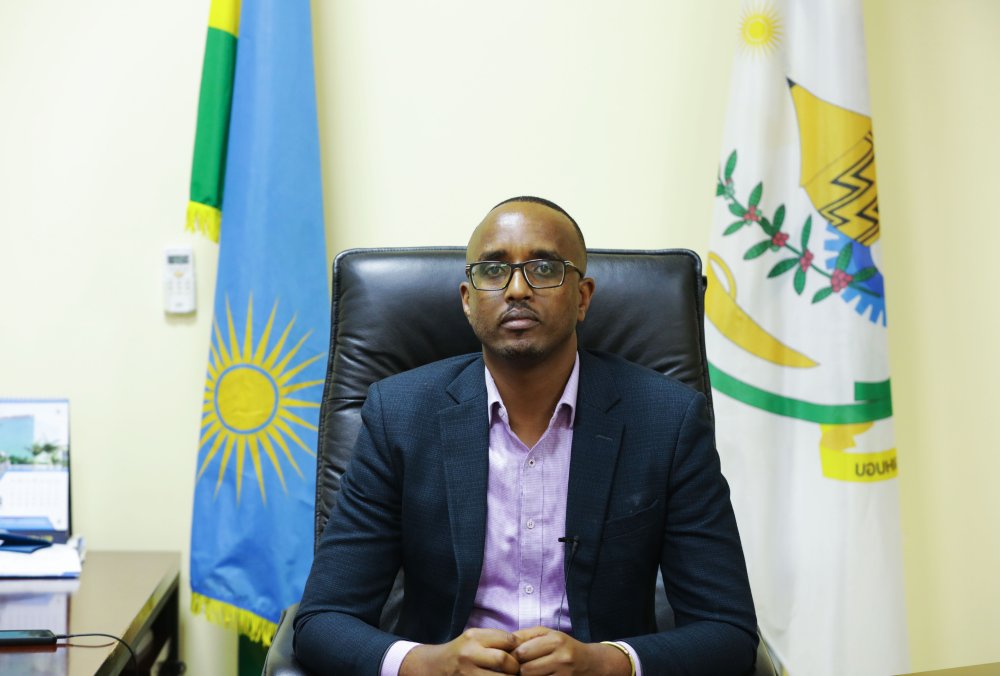
At the centre of this transition is Mayor Richard Mutabazi, who believes the district’s story is ultimately one of resilience, good governance, and long-term vision. Talking to Rwanda Dispatch’s Steven Nsamaza, the Mayor reflects on Bugesera’s difficult history, new opportunities, ambitions, and why he believes Bugesera is becoming a leading destination for investment and quality living in Rwanda.
Rwanda Dispatch [RD]: Bugesera was once known for hardship and isolation. Today, it’s becoming known for opportunity. What does this shift mean to you?
Mayor: When you see good results, it is usually because there has been good leadership and a clear vision. Historically, Bugesera experienced very difficult conditions. People lived with limited infrastructure, poor services, and challenging environmental conditions. In many ways, the district was neglected for a long time.
But after Rwanda’s liberation, good governance transformed the country, including Bugesera. Stability, security, and inclusive leadership created a new environment where people could work, invest, and improve their lives. Today, Bugesera is no longer seen as a remote or forgotten place. It is becoming a place people want to visit, invest in, and live in.
RD: Bugesera has a complex history marked by displacement and discrimination. How important is it to understand the district’s history when discussing its current transformation?
Mayor: It is very important because understanding where we came from helps explain how far we have come. Historically, Bugesera was heavily affected by discriminatory policies during the first and second republics. Many people, especially Tutsi families, were relocated here from other parts of the country. Families were separated from relatives, lost property, and were resettled in difficult conditions.
At the time, Bugesera lacked basic infrastructure and public services. After the 1994 Genocide against the Tutsi, the district had only one secondary school — Collège de Rilima, now Groupe Scolaire Rilima — which had originally been established mainly for Burundian refugees rather than residents.
People often associate Bugesera with tsetse flies, disease, and isolation. These conditions shaped the district’s image for many years. But today, Bugesera represents resilience and recovery. The same district that once struggled with exclusion is now becoming one of Rwanda’s fastest-growing development corridors.
RD: How are you benefiting from your proximity to Kigali while managing urban pressure?
Mayor: Our location is one of Bugesera’s greatest strategic assets. Being close to Kigali allows local producers to access large markets more easily. Farmers and businesses can transport goods quickly to the city, which improves economic activity and incomes.
At the same time, many people who work in Kigali now choose to live in Bugesera because land is more available and the cost of living can be lower. Professionals based in Kigali can easily travel to Bugesera for work and return the same day.
Bugesera also connects Kigali to the Eastern Province and borders Burundi. We are linked to districts such as Kicukiro, Rwamagana, Ngoma, Kamonyi, Ruhango, and Nyanza. This makes Bugesera an important geographic and economic corridor.
However, rapid growth also creates pressure. Demand for land has increased significantly, and construction activity is growing very fast. That is why urban planning and proper land use are becoming increasingly important.
RD: What opportunities do you believe the new International Airport here will create for residents?
Mayor: The new airport is one of the largest investment projects in the region, and its impact will go far beyond aviation. First, it is already creating jobs through construction and related activities. Local suppliers are benefiting from demand for materials such as stones and sand sourced within the district.
Once operational, the airport will create opportunities in transport, hospitality, logistics, trade, and agriculture. For example, passengers and airport staff will require food, accommodation, and transport. This creates opportunities for local producers to supply fresh vegetables, meat, and horticultural products.
We encourage our farmers and entrepreneurs to position themselves early to take advantage of these opportunities. The airport is also pushing us to invest in skills development. We are working with partners to prepare young people in areas such as customer service, languages, hospitality, and airport operations.
RD: There is increasing discussion about the district becoming a logistics and transport hub. What concrete steps are being taken to support that vision?
Mayor: Several major infrastructure projects are already underway. Key roads connecting the airport have been planned, including an expressway linking Kigali to the airport. Another multi-lane road project is also being developed to reduce congestion and improve the movement of goods and people.
The Kigali logistics transport network is also expanding. New connections from the Masaka dry port via Bugesera to Burundi will strengthen regional trade and transport.
The broader infrastructure project covers hundreds of kilometres and connects strategic areas such as Juru, Rilima, Gako, and other important zones. These investments are laying the foundation for Bugesera to become a major logistics and connectivity hub, not only for Rwanda but for the wider region.
RD: Rapid growth often creates challenges in urban planning and land management. How is the district responding to rising land demand and development pressure?
Mayor: The increase in investment and construction demand has created both opportunities and challenges. Land prices have increased significantly, and we are receiving a very high number of requests for construction permits and development approvals.
One challenge is that some people purchased land years ago, before the district updated the current master plan. Today, certain areas are designated for industries, while others are reserved for housing, education, or agriculture. Some investors may want to build near the airport even when that area is not zoned for their type of project.
This is why the master plan is being revised to reflect the new realities created by infrastructure developments. We are guiding investors toward approved development zones to ensure organised and sustainable urban growth.
RD: As an agricultural district, how are you balancing urbanisation with the need to protect farmland and support agriculture?
Mayor: Agriculture remains central to the livelihoods of many residents, and protecting agricultural land is very important. Fertile land must be preserved to ensure food security and sustainable development.
When investors want to establish projects such as schools or hospitals, we engage them and guide them toward suitable locations that do not affect productive farmland. Development must happen in a balanced way.
At the same time, we are investing in agricultural modernisation. Bugesera has strong agricultural potential, but it is also vulnerable to drought. That is why irrigation is a priority. Both large-scale and small-scale irrigation systems are being developed to help farmers increase productivity despite climate challenges. We are also promoting agricultural transformation and value addition while strengthening cold chain systems and post-harvest handling.
RD: Infrastructure development has accelerated in recent years. What are some of the key priorities moving forward?
Mayor: Our goal is to achieve universal access to water and electricity by 2029. We want every household to be within 1 kilometre of a water source, and eventually within 500 meters for most residents.
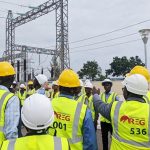
We are expanding water supply infrastructure alongside industrial development to ensure sustainable growth. In the electricity sector, we are working with REG (Rwanda Energy Group) and private companies to expand access and improve reliability.
In some areas, we are upgrading from smaller transformers to higher-capacity systems to support homes, businesses, and industries. Reliable electricity is essential for economic transformation, especially as more industries and businesses establish themselves in the district.
RD: Governance and citizen participation appear to be central to your approach. How are residents involved in Bugesera’s transformation?
Mayor: Governance is essential in everything we do. Development cannot succeed without strong follow-up and citizen participation. We work closely with residents and listen carefully to their suggestions and priorities.
Community meetings and citizen feedback help us identify service delivery gaps and areas that require improvement. When residents speak openly about challenges at the sector or cell level, it helps us strengthen accountability and improve services.
RD: Looking ahead, how do you envision Bugesera in the next 10 to 15 years?
Mayor: I believe Bugesera will become one of Rwanda’s leading economic gateways. The airport alone is expected to handle millions of passengers annually, including transit travellers. This will create enormous opportunities for investment, trade, tourism, and services.
As connectivity improves, Bugesera will continue attracting businesses, industries, and residents. But our focus is not only on growth — it is also on ensuring organised, sustainable, and inclusive development.
I encourage investors to arrive early and position themselves before the airport fully opens. There are opportunities in hotels, logistics, agriculture, housing, transport, and many other sectors.
For residents, I encourage them to remain patient and think long-term. Some people may be tempted to sell land quickly because prices are rising, but the long-term value of staying and participating in the district’s growth may be much greater.
Ultimately, Bugesera’s future is very promising. What makes me proudest is knowing that the transformation we are seeing is improving people’s lives. That is the true meaning of development.
Thank you