Rwanda earned more than $553 million from tea exports over six years to June 2026, with the crop continuing to fetch high prices on international markets.
Figures from the National Agricultural Export Development Board (NAEB) show that Rwanda exported 224,108 tonnes of tea between the 2020/21 and 2025/26 financial years.
Much of Rwanda’s tea is sold through the Mombasa auction in Kenya, where it is regularly among the better-priced teas. NAEB says a kilogram can fetch between $5 and $8, equivalent to about 7,000 to 11,000 Rwandan francs.
NAEB Director General Claude Bizimana said buyers value Rwanda’s tea because of its quality, with the agency working to maintain standards from the farms through processing and export.
“Rwandan tea is always at the top, both in quality and price. This quality starts in the field and continues in the factories,” Bizimana said.
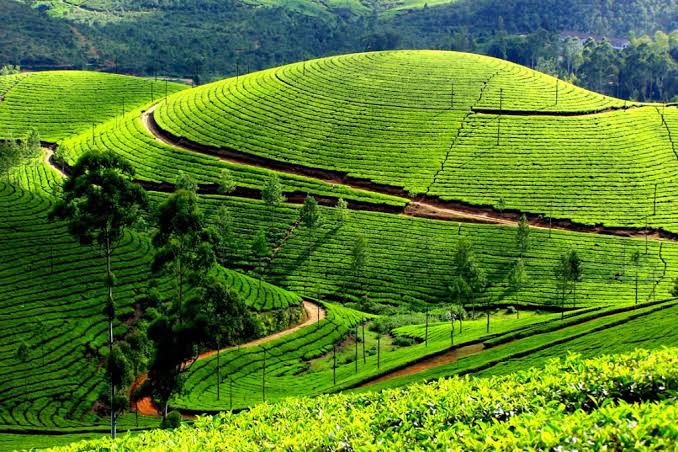
At Pfunda Tea Factory in Rubavu District, workers say careful harvesting is one of the first steps in maintaining the quality of the tea.
Nyirurugo Come De Gaulle, the factory’s head of production, said workers pick the two upper leaves and the bud, which he said provide the desired flavour.
“When they harvest, they pick the two upper leaves and the bud because that is where the flavour is. Before processing, they sort the leaves carefully,” he said.
Processing requires similar attention, said Fabien Ntezimana, who heads the processing department at Pfunda.
“We are careful at every stage of processing,” Ntezimana said. He added that regular tasting and advice from NAEB help the factory improve the quality of its tea.
Pfunda’s tea is sold in Russia, India and other Asian markets, according to NAEB.
The agency also checks tea before it is exported. Its laboratory at the NAEB headquarters tests agricultural products, including tea, coffee, fruits and vegetables, to ensure they meet the quality and standards required by international markets.
Bizimana said every batch of tea is tasted before it leaves the country, while NAEB tea experts regularly assess products from different factories and advise them on improving quality.
Tea is part of Rwanda’s wider agricultural export sector, which earned the country more than $4.4 billion from exports of agricultural and livestock products between 2020/21 and 2025/26.
Rwanda has set a target of earning $164.4 million a year from tea exports by 2028/29, the final year of the second National Strategy for Transformation.