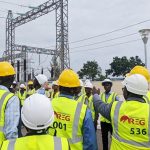
Experts from the International Atomic Energy Agency (IAEA) are in Rwanda this week to assess the country’s readiness to use nuclear energy safely, securely, and sustainably.
The mission, called the Integrated Nuclear Infrastructure Review which runs from March 2 to March 9 and marks the first phase of Rwanda’s effort to develop nuclear power as part of a long-term strategy to expand electricity access nationwide.
During the week-long visit, IAEA experts will evaluate Rwanda across 19 key areas, including energy policy and strategy, legal and regulatory frameworks, safety and security, workforce development, radioactive waste management, and coordination with stakeholders.
“The review will demonstrate Rwanda’s commitment to international best practices and transparency as it advances nuclear energy,” said the Rwanda Atomic Energy Board, the national regulator.
IAEA officials emphasized that the mission does not authorize the construction of nuclear power plants but provides independent assessment and guidance for the country’s next steps.
Currently, about 84.6% of Rwandans have access to electricity, with per capita consumption at roughly 77 kilowatt-hours. The government aims to achieve universal electricity access and significantly increase per capita consumption by 2050.
Authorities warn that existing energy sources will not meet projected demand, which could reach 2.5 to 4.5 gigawatts by mid-century. To address the gap, Rwanda is pursuing a nuclear program based on Small Modular Reactor (SMR) technology. The initial phase is expected to provide at least 110 megawatts by the early 2030s.
Rwanda says one SMR megawatt could supply electricity for up to 3,000 households, at a projected cost of 2.9 to 4.3 million Rwandan francs (about $2–3 million) per megawatt. Overall, building nuclear plants could cost more than one trillion francs and is expected to be completed by the 2034-2035 fiscal year.
In recent years, Rwanda has built a strong foundation for nuclear development through international partnerships and workforce capacity-building, preparing institutions and personnel to operate safely in this emerging sector.