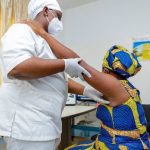
About 6,000 people are diagnosed with cancer in Rwanda each year, with women accounting for about 60% of cases, according to figures from the Rwanda Biomedical Centre (RBC).
Jean De Dieu Habimana, an official in RBC’s cancer control department, gave the figures on Thursday as Rwanda launched activities for Pink October, the annual campaign to raise awareness about breast cancer prevention, screening and treatment.
Breast and cervical cancers are among the most common cancers diagnosed among women in Rwanda, while prostate cancer is a major concern among men, Habimana said.
He said about 600 men in Rwanda are diagnosed with prostate cancer each year, meaning the disease accounts for about one in four cancer cases among men.
“These are not just numbers. They include mothers, fathers, sisters and brothers,” Habimana said.
He said early detection remains one of the most important ways to improve the chances of successful treatment, as Rwanda seeks to expand access to cancer screening and encourage more people to get checked before symptoms become advanced.
The campaign was launched in Kicukiro alongside the opening of Labscroll Medicals, a Nigerian health diagnostics company that is bringing laboratory services to Rwanda, including cancer testing.
Dr. Paul Ogbole Peter, managing director of Labscroll Medicals, said the company plans to screen 200 women for breast and cervical cancer and 200 men for prostate cancer during the month-long campaign.
The company has brought diagnostic laboratory equipment to Rwanda and plans to offer testing for different types of cancer, as well as other services including DNA testing.
Ibrahim Zanna, who represents Nigerian interests in Rwanda, said late diagnosis remains a major challenge in Africa and urged people to overcome fear and stigma surrounding cancer screening.
He said some people avoid testing because they associate a cancer diagnosis with certain death.
Health officials instead emphasise that detecting cancer early can improve the prospects for treatment. WHO says early and timely diagnosis, linked to appropriate treatment, is essential to reducing the burden of breast cancer.
Globally, breast cancer caused an estimated 694,000 deaths in 2024, according to WHO.
Labscroll Medicals said it chose Rwanda because of what it described as the country’s efforts to improve healthcare services.
The company will now operate alongside its planned screening activities as it expands its diagnostic services in Rwanda.