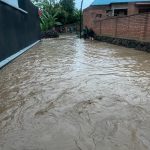
The rising damage caused by heavy rainfall and flooding is increasing the pressure on Rwanda to keep its road network in good condition, as authorities revise construction standards to make new roads more resilient.
Twagirimana Théoneste, acting deputy director general of the Rwanda Transport Development Agency (RTDA), said climate-related weather extremes were among the main reasons some roads had deteriorated sooner than expected.
Speaking to Rwanda Television on Oct. 5, Twagirimana said the agency’s assessment found that some rainfall and flooding had exceeded the conditions used when affected roads were designed.
He pointed to 2023, when heavy rains and flooding caused damage to a significant number of roads.
“By 2023, we had many roads that were damaged. It was because the amount of rainfall and flooding we experienced exceeded what we had expected when we designed those roads,” he said.
The experience has prompted RTDA to revise the standards and methods used in preparing road designs.
Twagirimana said the changes were made under a project called Developing Capacity for Climate Resilient Infrastructure, through which the agency reviewed road designs and the technical standards used in planning them.
He said road studies currently being prepared are required to take climate-related risks into account.
The changes are expected to reduce the frequency with which newly constructed roads require major repairs after extreme weather.
Maintaining damaged roads requires significant public resources. The Road Maintenance Fund finances maintenance of the classified road network using government allocations and other sources of revenue.
The fund allocated about Rwf96.37 billion in the 2025/26 financial year, with its budget rising to about Rwf98.42 billion in 2026/27 under the official budget documents.
For 2026/27, the allocation includes Rwf40 billion for maintenance of roads and bridges in Kigali City and Rwf56.31 billion for district roads and bridges.
Rwanda’s climate-resilience programme has also identified flooding, erosion and landslides as major threats to transport infrastructure, reinforcing the need to account for climate risks when roads are planned and designed.
Rather than relying solely on repairs after damage occurs, RTDA is now seeking to build greater resilience into roads from the design stage.