On Tuesday, March 10, 2026, President Paul Kagame attended the International Summit on the Development and Use of Nuclear Energy, joining leaders from governments around the world to discuss the role of nuclear power in sustainable development.
President Kagame was accompanied by officials from the Rwanda Atomic Energy Board (RAEB). This marks his first participation in the summit since Rwanda signaled its readiness to harness nuclear energy across various sectors of national development.
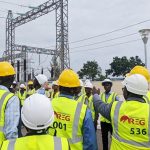
The president’s participation follows a visit last week by experts from the International Atomic Energy Agency (IAEA), who conducted the first phase of an assessment evaluating Rwanda’s infrastructure and preparations for developing small nuclear power plants.
Dr. Fidele Ndahayo, RAEB’s director general and part of Kagame’s delegation, said Rwanda has made significant progress in preparing to utilize nuclear energy. “This is a long-term journey that began years ago, including site studies for power plants and training local experts to work in these facilities,” he said.
Dr. Ndahayo added that the country has assessed its national electricity grid to ensure it can accommodate the additional energy output expected from nuclear plants.
The Paris summit, the second of its kind, focused on discussions highlighting nuclear energy as a reliable and environmentally friendly solution to global electricity challenges amid climate change and energy insecurity. Experts emphasized that nuclear power is sustainable, safe, and can play a key role in supporting global sustainable development goals.
Dr. Ndahayo told Jeune Afrique that Rwanda aims to establish a small nuclear power plant by 2030 to increase the country’s electricity supply and develop local expertise.
In 2025, President Kagame stressed that nuclear energy could provide the reliable, low-carbon electricity needed to meet growing global demand, projected to triple by 2050. Rwanda also expects nuclear power to support industrialization, modern technology, health, education, and overall quality of life.
Currently, 10% of the world’s electricity comes from nuclear energy, while concerns over energy security, climate change, and geopolitical instability continue to drive interest in the sector.
The first international summit on nuclear energy was held in Brussels, Belgium, in 2024, bringing together more than 60 countries.