The National Budget for the 2026/2027 fiscal year has been approved at 7,796.3 billion Rwandan francs (RWF), marking a 12% increase compared to the revised 2025/2026 budget of 6,952.1 billion RWF.
The fiscal year, which begins in July 2026, will be largely financed through domestic resources amounting to 5,273.8 billion RWF. This includes 4,429.1 billion RWF expected from tax revenues and 582.4 billion RWF from non-tax revenues. External support is projected at 548.3 billion RWF in grants, while foreign borrowing is expected to reach 1,974.1 billion RWF.
Of the total expenditure, 4,788.5 billion RWF will go toward recurrent spending and salaries, while 3,010.8 billion RWF is allocated to development projects and public investment.
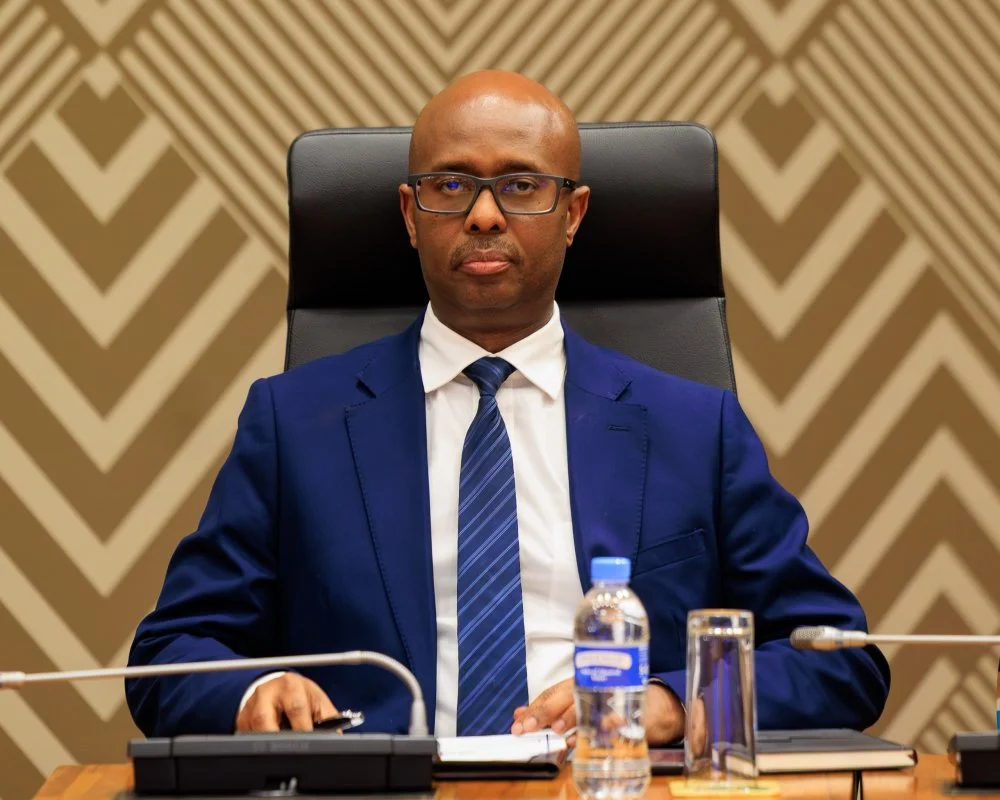
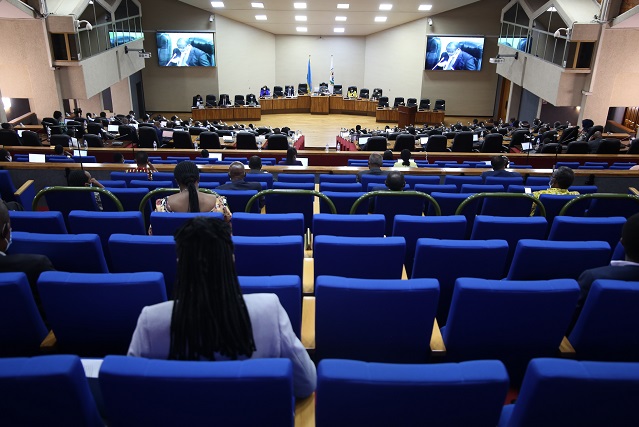
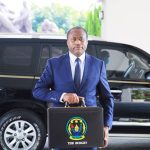
While presenting the budget in Parliament, the Minister of Finance and Economic Planning, Yusuf Murangwa, said that the 2026/2027 budget and medium-term fiscal framework take into account global economic pressures, including the impact of conflicts in the Middle East and the government’s ongoing focus on strengthening revenue collection and efficient public spending.
He also highlighted continued investment in agriculture, particularly in improving access to fertilizers, irrigation, and supporting national carrier RwandAir.
Murangwa noted that supporting farmers to access affordable fertilizers remains a priority to ensure food security, especially amid rising global fertilizer prices linked to geopolitical tensions.
“The government has allocated significant resources to support the agriculture sector… last year; we allocated 39 billion RWF in fertilizer subsidies. In this budget, we have increased it to about 64 billion RWF,” he said.
“We almost doubled the allocation to ensure fertilizer remains accessible, because we are aware that due to global conflicts in the Middle East, fertilizer prices have increased. To avoid shortages and protect citizens, the government has boosted funding for this sector.”