The annual inflation rate rose to 14.5 per cent in July, up from 13.6 per cent in June, with transport, energy and housing costs among the biggest drivers of the increase.
Data released by the National Institute of Statistics of Rwanda (NISR) show that prices continued to rise across most major categories, adding pressure to household budgets.
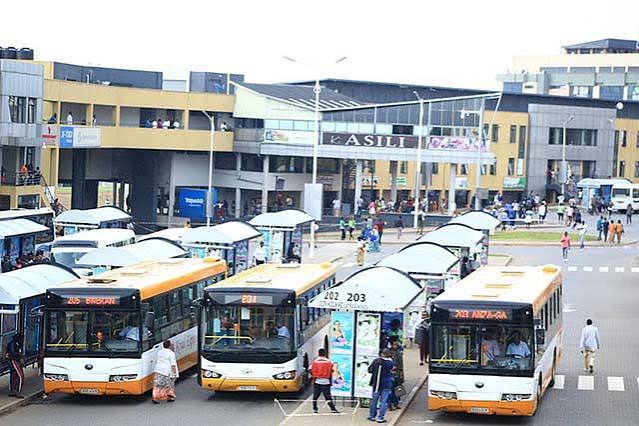
Transport recorded a 24.2 per cent increase in prices in the year to July, while housing, water, electricity, gas and other fuels rose by 21 per cent.
NISR stated that energy recorded an even sharper increase, with prices rising 44.5 per cent year-on-year and 1.5 per cent between June and July.
Food and non-alcoholic beverages, which account for a large share of household spending, increased by 13.1 per cent from a year earlier and 1.5 per cent during the month.
Prices of alcoholic beverages, tobacco and narcotics rose 9.8 per cent annually and 0.6 per cent from June.
Restaurants and hotels recorded a 14.2 per cent annual increase and a 0.6 per cent monthly rise.
Weaker franc adds to pressure
The continued weakening of the Rwanda franc against the US dollar could also be adding to inflationary pressure.
The International Monetary Fund said the average exchange rate moved from Rwf1,318 to the dollar in 2024 to Rwf1,428 in 2025, representing an 8.4 per cent depreciation of the franc.
A weaker currency makes imports more expensive in local-currency terms because businesses need more francs to buy goods priced in dollars.
The effect can spread through the economy as importers and businesses pass higher costs for fuel, machinery, pharmaceuticals, food and other inputs on to consumers.
The impact could be particularly important in sectors such as transport and energy, which recorded some of the largest price increases in July.
However, the exchange rate is unlikely to be the only factor behind the latest inflation figures. Food prices, energy costs, transport and domestic supply conditions can all influence the cost of living.
NISR data also show that prices of locally produced goods rose faster than those of imported products.
Local products increased by 15.8 per cent over the year and 0.7 per cent during the month, compared with a 10.7 per cent annual increase for imported products and 1.6 per cent monthly growth.
Fresh products rose by 16 per cent annually and 1.6 per cent between June and July.
Even after excluding fresh products and energy, the general index increased by 11.4 per cent year-on-year and 0.6 per cent month-on-month, pointing to broader price pressures across the economy.
The government’s ongoing crackdown on illicit alcohol could also have an effect on prices in the coming months.
Authorities have closed illegal distilleries and breweries, arrested suspected producers and traders and seized stocks as part of efforts to remove unsafe alcohol from the market.
Analysts say the crackdown could temporarily tighten supplies, particularly in communities where consumers rely heavily on locally produced alcohol.
If legal producers cannot quickly fill the gap, traders could respond by raising prices or consumers could shift to other products.
The impact will depend on how quickly legitimate producers respond and whether consumers have affordable legal alternatives.
The July inflation figures therefore present policymakers with a difficult balancing act: containing rising living costs while continuing enforcement against unsafe and illegal products.
For households, however, the effect is already being felt in everyday expenses, from transport and energy to food and other essential goods.