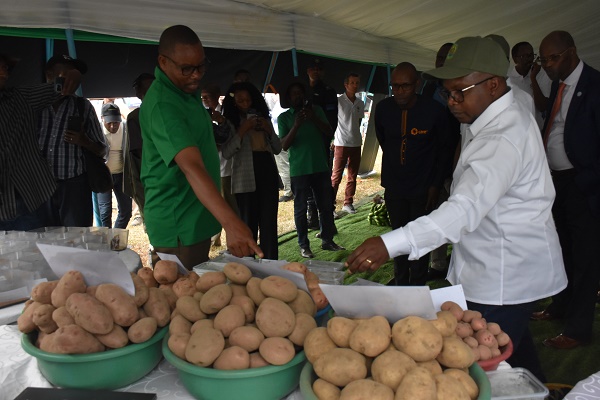
The steady hum of machinery competes with conversations between farmers, innovators and buyers as visitors weave through hundreds of exhibition stalls at Mulindi Show Ground.
Inside one pavilion, a machine slices fresh grass into livestock feed within seconds. A few metres away, solar-powered cooling boxes mounted on electric motorcycles promise to keep milk fresh on its journey from remote farms to market. Across the exhibition grounds, entrepreneurs are turning sweet potatoes into bread and juice, crop waste into clean cooking briquettes, and locally developed bio-pesticides into growing businesses.
While the 19th Rwanda Agricultural Show opened this week with Dr. Thelesphore Ndabamenye, the Minister of Agriculture and Animal Resources calling for greater innovation and strategic partnerships, it is inside the exhibition halls where those ambitions are taking shape.
For many exhibitors interviewed by Rwanda Dispatch, the annual show is about far more than displaying products. It is where businesses find customers, farmers discover new technologies, and young entrepreneurs build partnerships that can transform small ideas into thriving enterprises.
For Theoneste Kabahizi, Managing Director of KT Hub, the exhibition provides an opportunity to demonstrate how technology is changing modern farming.
“Our goal is to bring together different agricultural solutions under one roof,” he told Rwanda Dispatch.
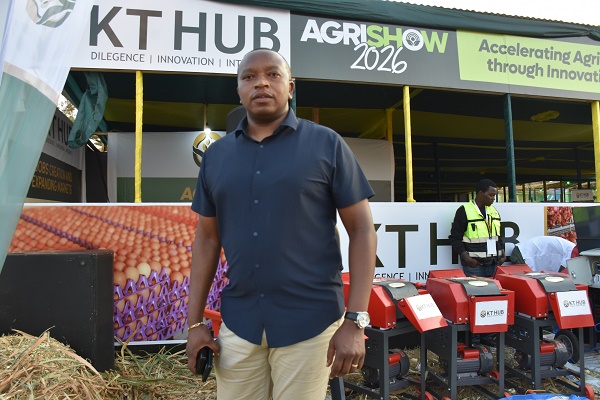
KT Hub works with private companies and public institutions to supply veterinary medicines, fertilizers, machinery, improved livestock genetics and advisory services to farmers across Rwanda.
Among the technologies attracting attention at the company’s stand are fodder-cutting machines, grain dryers, storage silos, solar-powered farm security systems and electric motorcycles fitted with refrigerated milk containers to reduce post-harvest losses.
The company is also showcasing artificial insemination technologies and livestock genetics, including imported semen from Brazil, alongside solar-powered systems that allow farmers to pump water, light their farms, monitor security cameras remotely and even access internet services from their homesteads.
Kabahizi says the exhibition’s theme, centred on innovation and strategic partnerships, reflects the direction Rwanda’s agriculture sector is taking.
“We don’t develop technology for its own sake,” he said. “We first identify the challenges farmers face, then look for practical solutions.”
He believes the expo has already created valuable business opportunities.
“Many visitors have stopped at our stand to learn about our technologies. We have made new contacts, built trust with potential clients and expect these relationships to continue long after the exhibition closes.”
For entrepreneur Jean d’Arc Uwemeyimana from Kayonza District, the biggest reward has been finding a market.
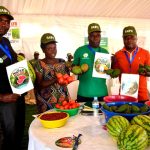
Now attending the Agriculture Show for the fourth time, she has transformed orange-fleshed sweet potatoes into a range of value-added products, including flour, bread, cakes, doughnuts and juice.
Working with seeds supplied through the Rwanda Agriculture and Animal Resources Development Board (RAB), Uwemeyimana says adding value has significantly increased the income she earns from farming.
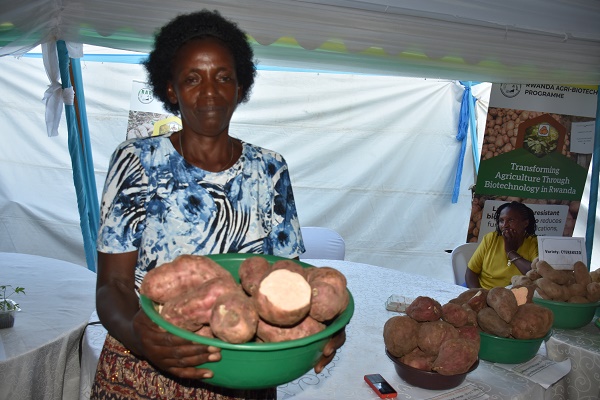
“Agriculture is my profession,” she said. “This exhibition connects me with buyers, helps me build networks and gives me new ideas.”
She arrived at Mulindi with 400 kilograms of orange-fleshed sweet potatoes. Within days, every kilogram had been sold.
“I also have regular customers in Kigali who buy more than 800 kilograms in a good week,” she said. “Without exhibitions like this, reaching those buyers would be much harder.”
Across another section of the showground, Vianney Nshimiyimana from Rusizi District is demonstrating how agricultural waste can become an environmentally friendly cooking fuel.
His company; called DC lted established in 2023, converts crop residues and organic waste into briquettes that burn longer than ordinary charcoal while helping reduce deforestation and pollution.
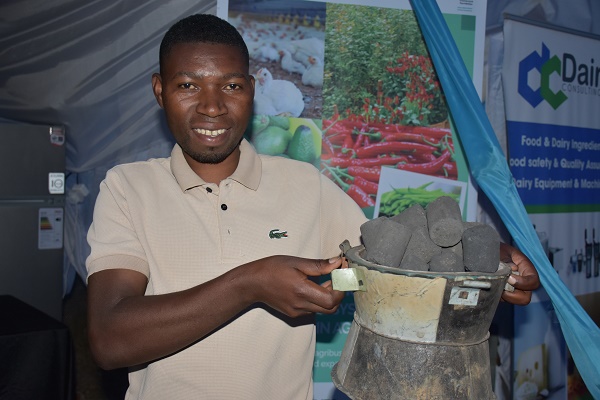
“This is our first Agriculture Show,” he said. “We came to meet new customers, learn from other innovators and introduce more people to clean cooking alternatives.”
The company currently produces about one and a half tones of briquettes every month, supplying households and businesses in several districts.
Innovation is also driving the business of Cynthia Mutoniwase from Gisagara District.
After registering her company in 2023, she began by producing organic pesticides for vegetable farmers. Today, her product line has expanded to include organic fertilizers and other agricultural inputs.
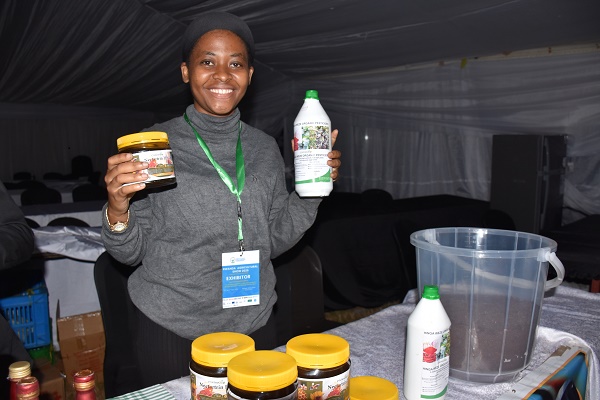
“Every exhibition helps us grow,” she said. “Each time we come back, we have something new.”
She hopes future editions will attract even more business partners to help young companies expand.
For Joseph Nshimiyimana from Mukamira in Nyabihu District, the Agriculture Show has become an important marketing platform.
His company called SECULA ltd produces wine made from pineapples and is exhibiting for the third time.
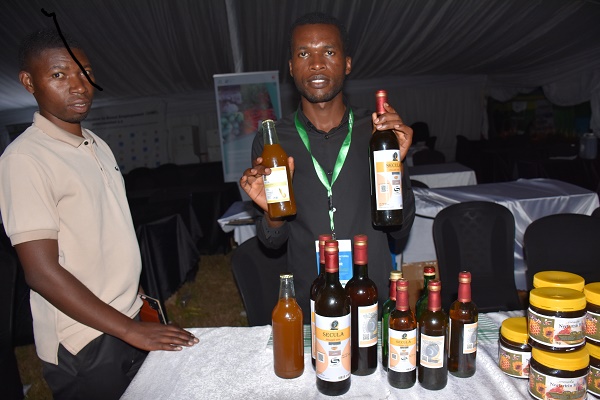
“We’ve learned how to market our products better,” he said. “The exhibition also connects us with pineapple growers and distributors who help us grow our business.” he added.
The 19th Rwanda Agricultural Show has attracted more than 600 exhibitors from across Rwanda and beyond, highlighting technologies ranging from mechanisation and irrigation to climate-smart agriculture, value addition and digital farming solutions. Running until July 31, the exhibition continues to serve as one of Rwanda’s biggest platforms for connecting farmers, innovators, researchers, investors and agribusinesses.