More than 50 people died and over 500 sought medical treatment after consuming substandard alcoholic drinks in Rwanda during the first six months of 2026, according to figures presented by the Ministry of Health, prompting renewed questions about how unsafe products reach consumers.
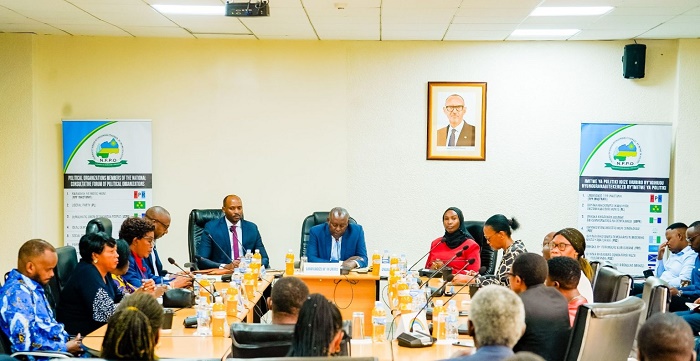
Health Minister Dr Sabin Nsanzimana raised the issue on Thursday, October 15, during discussions with members of the National Consultative Forum of Political Organisations (NFPO), warning that unsafe alcohol poses a serious threat to public health, particularly among young people.
Nsanzimana described the spread of dangerous alcoholic drinks, locally known as “ibyuma”, as a threat to the country, comparing their potential social impact with the damage addictive substances have caused in other societies.
He cited the 19th-century Opium Wars involving China, Britain and France, arguing that Rwanda should learn from history and prevent harmful substances from weakening its population.
“We must learn from history, because this is also a route someone seeking to harm Rwanda could take,” he said.
The minister has also reported that nearly 100 people had permanently lost their sight after consuming unsafe alcohol. Others reportedly suffered complications affecting the brain, liver and other organs.
The reported toll has intensified concern over alcoholic drinks whose origins, ingredients or compliance with safety requirements are unclear.
During the meeting, forum members questioned the effectiveness of inspection and licensing procedures for beverage producers.
Hon. Mukama Abbas said inspectors should verify that product labels accurately reflect what manufacturers are authorised to produce. He also raised concerns about possible gaps in oversight and corruption.
Hon. Mukabaramba Alvera questioned why illegal alcohol producers had continued to emerge and called for the Office of the Auditor General to examine the matter.
The discussion highlighted concerns about whether regulatory bodies have sufficient capacity and are enforcing existing requirements effectively.
The Ministry of Health figures cited at the meeting cover January to June 2026. Further details on the reported cases, deaths and permanent blindness would help establish the full scale of the problem and the specific products involved.