With only a few days remaining before the end of the holy month of Ramadan, Muslims in Gatoki Cell, Kabarore Sector of Gatsibo District are embracing the final stretch of fasting with devotion and unity.
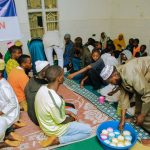
In the evening, as the sun begins to set, the modest Gatoki Mosque located about five kilometers from Kabarore town—gradually fills with quiet movement. Worshippers arrive in small groups, some from work and others from nearby villages, exchanging soft greetings before settling in. Inside, preparations for Iftar unfold simply but meaningfully, guided by the mosque’s Imam, Nsabimana Bassamu, whose calm coordination has helped sustain the gatherings throughout the month.
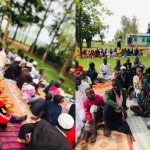
Despite its small size, the mosque has become a vital meeting point during Ramadan. On Tuesday, March 17, 2026, about 50 Muslims gathered to break their fast, sharing more than just a meal—they shared a growing sense of togetherness nurtured over the past weeks.
As the Adhan, the call to Maghrib prayer, echoes at sunset, worshippers come together to break their fast. For many in Gatoki, these moments go beyond routine. They offer time for reflection, reconnection, and a shared spiritual experience as Ramadan draws to a close.
Imam Nsabimana noted that Ramadan unites Muslims around the world through the shared act of fasting.
He added that, through the support of Zakat Foundation of America and Abdallah Kiromba Foundation, Iftar meals have been provided at the mosque, enabling worshippers to break their fast with dignity.
“We pray that God continues to bless them. Ramadan is also a time to avoid wrongdoing. Beyond fasting, Muslims are expected to pray five times a day and perform good deeds,” he emphasized.
“Ramadan is a very important and meaningful period for Muslims, both here in Gatoki and globally. Fasting is one of the pillars of Islam. It is a time to draw closer to God, reflect, and find joy. The Prophet Muhammad (peace be upon him) taught that a fasting person experiences two moments of happiness: when breaking the fast and when meeting their Creator,” he said.
Manishimwe Hamida, a resident of Gatoki Cell who volunteers in preparing Iftar, described Ramadan as a deeply significant period for women and the community.
“It is a time of discipline and commitment, where we fast from food and drink until evening. We are also expected to maintain good conduct, pray regularly, and stay focused on faith and community,” she explained.
Throughout the fasting period, Zakat Foundation of America, in partnership with Abdallah Kiromba Foundation, has supported more than 4,000 Muslims in Rwanda with food packages and iftar meals. The initiative has reached several communities in Gatsibo District as well as Musanze, Kamonyi, Rubavu, and Kigali, helping ensure that many families break their fast in dignity and comfort.
As Ramadan nears its end, the quiet gatherings at Gatoki Mosque stand as a reflection of faith, solidarity, and the enduring spirit of community.