President Félix Tshisekedi has ordered the immediate withdrawal of military and police personnel from mining sites where they are operating outside their legally mandated roles, in a move aimed at strengthening governance in the Democratic Republic of Congo’s lucrative mining sector.
The directive was announced following Friday’s Cabinet meeting and forms part of a broader effort by the government to tackle fraud, improve transparency and restore confidence in one of the country’s most important industries.
Government spokesperson Patrick Muyaya said the president had instructed security forces to leave mining sites unless their presence is specifically authorised under the law.
The order comes amid growing concerns over the role of members of the defence and security forces in illegal mining activities, which authorities say have fuelled corruption, smuggling and insecurity.
Practices that tarnish the country’s image
According to Mr. Muyaya, President Tshisekedi believes the unlawful involvement of military and police personnel in mining operations has damaged the country’s reputation and undermined ongoing reforms.
“Such a situation fosters negative perceptions about the governance of our natural resources, weakens control mechanisms, promotes illicit networks and undermines government efforts to ensure responsible and transparent exploitation in line with international standards,” Mr Muyaya told reporters after the Cabinet meeting.
The president said the government could no longer tolerate practices that weaken state authority, harm the country’s image and erode confidence in reforms designed to improve oversight of the mining sector.
Concerns over security and investment
Officials say the illegal militarisation of mining sites has also had wider economic and security consequences.
According to the Cabinet statement, the presence of unauthorised security personnel has prevented legitimate mining companies from fully exercising their mining rights and has contributed to insecurity in mining communities.
Authorities also accuse some security personnel of intimidation, harassment and extortion targeting mining operators, government officials and local residents.
The government says these practices have disrupted mineral supply chains and weakened traceability systems, creating opportunities for fraud, smuggling and illicit enrichment.
“It is out of the question to allow such worrying actions to seriously undermine the authority of the State, the image of our country, the credibility of the reforms undertaken in the mining sector, as well as the confidence of investors and national and international partners,” Mr. Muyaya said.
A key sector under scrutiny
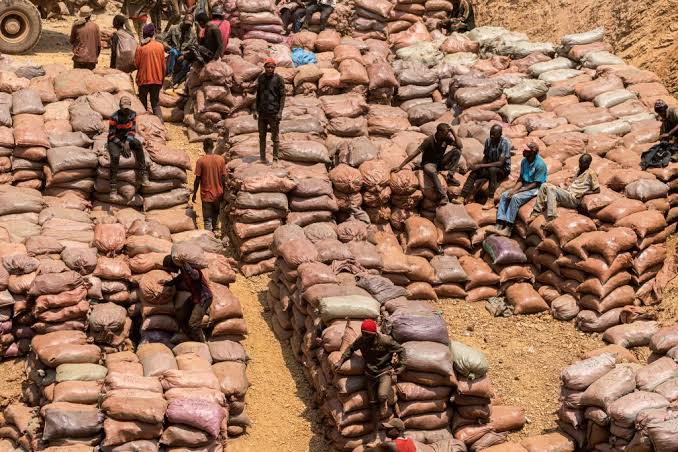
Mining remains the backbone of the Congolese economy, with the country holding some of the world’s largest reserves of cobalt, copper, coltan, gold and other strategic minerals that are essential to global industries, including electric vehicle batteries and renewable energy technologies.
Despite its vast mineral wealth, the sector has long faced allegations of illegal exploitation, corruption and weak governance, particularly in the country’s eastern provinces where armed groups continue to operate.
The government says the latest directive is intended to strengthen oversight of mining operations, improve mineral traceability and ensure that only authorised institutions oversee the country’s extractive industry.
Officials hope the move will reassure investors and international partners that the government remains committed to enforcing mining regulations and improving transparency in a sector that is central to the country’s economic future.
The presidential directive marks the latest step in President Tshisekedi’s efforts to reform the mining industry and curb the illegal exploitation of the Democratic Republic of Congo’s natural resources.