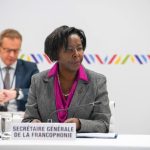
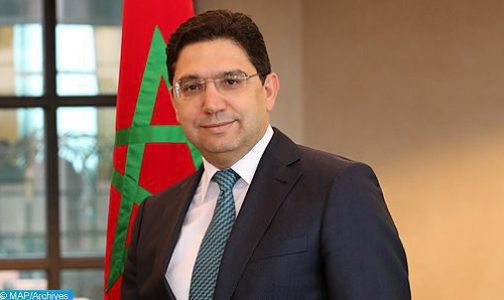
The Democratic Republic of the Congo (DRC) has officially thrown its hat into the ring for the top job at the Organisation internationale de la Francophonie (OIF), nominating Juliana Amato Lumumba as its candidate. This sets up a direct contest with Rwanda’s incumbent Secretary-General, Louise Mushikiwabo.
Kinshasa’s announcement on February 26 makes official what many had anticipated after the government confirmed in late January that it intended to field a candidate. The next OIF Secretary-General will be elected at the Francophonie Summit in Phnom Penh, Cambodia, on November 15–16, 2026.
Diplomatic Stakes Beyond the Election
The race carries more than symbolic weight. The Francophonie, which unites nearly 90 countries with a shared French-language heritage, aims to foster collaboration in education, culture, governance, and economic development. By challenging the Rwandan incumbent, Congo is signaling its intention to play a more assertive role in Francophone affairs and amplify Africa’s voice in the organization.
Mushikiwabo, first elected in 2018 and re-elected in 2022, was confirmed by Kigali as a candidate for a third term earlier this year. She enters the race with the natural advantages of incumbency, including established visibility and strong backing from Rwanda.
Amato Lumumba, meanwhile, brings a mix of experience in governance, diplomacy, and business. Congolese officials are framing her candidacy around a vision they describe as “modernized, inclusive, and people-centric,” aiming to refresh the organization’s approach and priorities.
Regional Tensions and Political Calculations
The leadership contest unfolds against a backdrop of ongoing tensions between Rwanda and the DRC, particularly over security challenges in eastern Congo. Observers suggest that these regional dynamics could shape how Francophonie member states vote or align themselves during the election process.
Throughout her tenure, Mushikiwabo has focused on youth engagement, institutional reform, and fostering cooperation across cultural and political lines. Yet critics argue that the Francophonie could benefit from new leadership, reflecting the evolving priorities and demographic shifts within its membership.
Officially, member states must submit candidates by spring 2026, ahead of the summit in November. While the organization prefers decisions by consensus, formal voting is an option if agreement cannot be reached. In the months leading up to the vote, diplomats expect intense behind-the-scenes lobbying, particularly among African, European, and North American members, as countries weigh strategic interests, regional alliances, and long-term influence within the Francophone world.