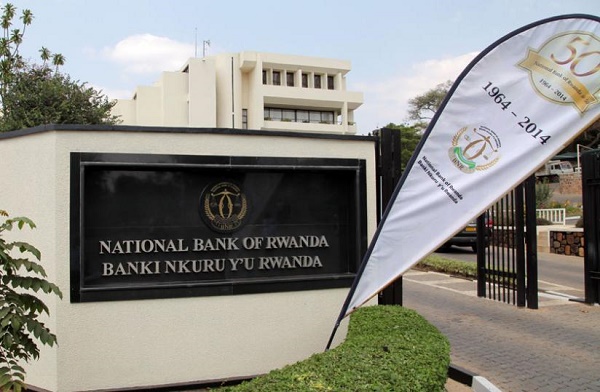
The Central Bank of Rwanda has raised its key interest rate by 50 basis points from 7.25 percent to 8.25 percent, accelerating its tightening campaign to combat the inflation surge that threatens to nation’s economic stability.
This moves, the first since February, shows how seriously the BNR is taking the rising inflation, now at 11.5 percent, as it weighs on everyday life and the economy
Governor Soraya Hakuziyaremye said Thursday, that this move is aimed ata protecting price stability, adding that the bank is prepared to take further action if inflation pressures continue to mount
The aggressive step is a growing worry among policymakers as surging domestic food prices and global supply-chain disruptions c0ntinue to cloud the inflation outlook, part of a wider global shift toward tighter monetary approaches.
Governor Hakuziyaremye explained that the decision to raise the central bank rate is a measured step to bring inflation back within the target range and to safeguard price stability, which is crucial sustain economic growth.
The BNR has consequently overhauled its macroeconomic forecasts, raising its 2026 average inflation outlook to 13.9 percent, up from an earlier projection of 9.4 percent.
According to the BNR, inflation was revised upward due to a combination of domestic food prices surges and global supply chain disruptions. In particular, the Governor pointed to the ongoing Middle East conflict, which has forced a costly re-routing of cargo ships away from the closed Strait of Hormuz, inflating fuel costs and freight charges across the region.
“When there are changes affecting the entire economy, there are certain adjustments people must make during that period before a lasting solution is found.” the Governor urged Rwandans to remain cautious in how they use and manage money as the world continues to grapple with the effects of conflicts, including the war in the Middle East.
“IMF projections presented at the end of their mission , show all technical teams now providing economic forecasts that meet national and global standards. This is evidence that, despite doubts, we are advancing towards a central bank with high functionality.
“Our monetary policy committee emphasizes that raising the CBR is a measured step to bring inflation back within our 5% target band. This safeguards price stability, which is crucial for sustained growth and for protecting the purchasing power of Rwanda in the medium term” The Governor added.
This tightening is set to trigger an immediate rise in commercial bank lending rates nationalize, rising increasing the cost of capital for business in every sector.
The impact of the central bank’s tightening is already filtering through the banking sector; the interbank rate, at which commercial banks lend short-term funds to each other, jumped to 7.13 percent in the first quarter of 2026, up from 6.77 percent in the same period last year.
Financial analysts note that the new 8.25 percent benchmark rate will likely push retail lending rates well into the double digits making personal and business loans even more expensive.
This aggressive rate hike also comes at a time when the Rwandan franc has faced persistent depreciation against the US dollar and major regional currencies, including the Kenya and Ugandan shilling. The weakening has fueled imported raising the cost of goods and squeezing local businesses.
Despite the monetary tightening, the central bank remains bullish about its broader economic performance. Government projects gross domestic product (GDP) to exceed by over 7 percent through 2028, driven by strong activity in services and manufacturing.
Policymakers are betting that this underlying economic strength will help the country absorb the high borrowing costs without triggering a hard landing.
Over the medium term, the BNR projects that inflation will remain elevated through December before cooling down to an average of 7.4 percent in 2027.