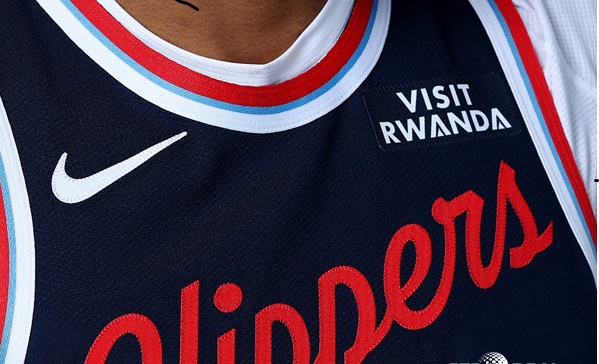
The NBA is not walking away from Rwanda. In a letter to two US senators who urged it to rethink the relationship, the league’s deputy commissioner, Mark Tatum, said its approach to doing business abroad rests on one principle: it takes its cue from US government policy.
The letter, dated this week, answers Senators Jeff Merkley, a Democrat from Oregon, and Marsha Blackburn, a Republican from Tennessee. Writing to NBA Commissioner Adam Silver last week, the pair said they were “increasingly alarmed” by the league’s deepening ties with Kigali. They asked a series of pointed questions, among them whether the NBA has a red line when it comes to taking money from governments accused of human rights abuses.
Tatum did not answer that one. Nor did he take up most of the others. He offered a single concrete example instead.
Earlier this year, Washington imposed economic sanctions on the Rwanda Defence Force. The military-funded Armée Patriotique Rwandaise (APR), which played in the Basketball Africa League (BAL), was withdrawn from the competition as a result. Tatum said APR will stay ineligible for as long as the sanctions remain in place. To him, that shows the league adjusts when American policy shifts.
His broader message was equally plain. The NBA’s operations around the world, he wrote, are not one-size-fits-all, but “in all instances we follow U.S. policy.” He added that the league condemns human rights violations wherever they occur, and closed by saying the NBA will keep adapting as policy demands.
The senators, however, have been here before. They wrote to Silver two years ago, after an ESPN investigation examined the league’s embrace of President Paul Kagame, who has led Rwanda since 1994.
Their latest letter also lands at a tense moment. Last week, the US announced fresh sanctions on Rwanda over its alleged backing of the M23 rebel group in eastern DR Congo. Merkley and Blackburn say M23 has executed hundreds of civilians, carried out mass rape and recruited child soldiers.
Rwanda’s government has faced accusations from the United States, the United Kingdom, other countries and several rights organizations. These range from jailing, torturing and killing political opponents to funding child soldiers in neighboring Congo.
The pressure on Rwanda’s sporting partnerships is not new. Early last year, the DRC urged the NBA, Formula 1 and major European football clubs to cut their multimillion-dollar links with Kigali. A few months later, Bayern Munich and Arsenal announced they were ending their sponsorship deals.
The NBA has made no such move. For now, the 10,000-seatBK arena, remains in its plans, and the BAL is still welcome there.