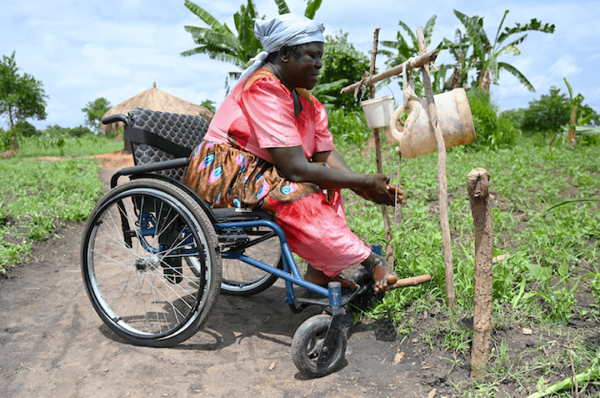
Women with disabilities across Africa are seeking a stronger role in climate governance as a new continental initiative moves to expand their participation in policy discussions.
The African Alliance for Women with Disabilities in Climate Action (AWAC Alliance) is rolling out a series of national dialogues and engagement activities aimed at strengthening involvement in climate decision-making processes.
The initiative is being implemented under the STREVOW project, led by the Centre for Inclusive Climate Change Adaptation for a Sustainable Africa (ICCASA), with support from the African Development Bank’s Africa Climate Change Fund.
It comes as climate adaptation and financing discussions intensify across the continent, alongside renewed scrutiny over representation in climate policy spaces.
ICCASA says the alliance is intended to strengthen both participation and leadership of women with disabilities in climate governance, while also ensuring continuity beyond the current project cycle.
The programme brings together country-level efforts across Africa and is designed to build a more coordinated continental approach to disability inclusion in climate action.
According to ICCASA, the objective is to move beyond symbolic inclusion towards what it describes as “meaningful participation”, where women with disabilities are actively involved in shaping policy discussions.
National dialogues planned
A key component of the initiative is a series of one-day national dialogues led by AWAC country convenors, including in Rwanda.
The dialogues will be held physically in participating countries, with virtual links to other countries and international partners.
They are expected to bring together women with disabilities, Disabled Persons Organisations (DPOs), women’s rights groups, media representatives, and government and climate stakeholders.
Organisers say the hybrid format is intended to connect local experiences with broader continental and global climate discussions.
Anet Bukombe, a Disability Inclusion Advocate, called for women with disabilities to be treated equally in Rwandan society and fully included in all areas of life, including public services and employment.
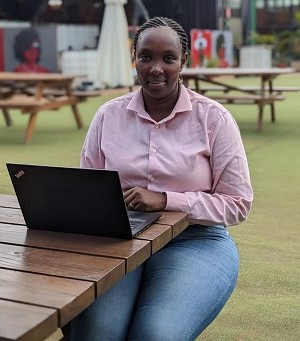
She said that although the government has put in place laws to support inclusion, many stakeholders still fail to implement them effectively.
Accessibility measures such as sign language interpretation, captioning where possible, and simplified language summaries are expected to be included.
Each convenor will be responsible for participant mobilisation, coordination, engagement with media, and reporting on outcomes.
ICCASA, through STREVOW, will support logistics including venue costs, meals and local transport. Country convenors will lead implementation at national level.
The initiative also emphasises country ownership, with local organisations recognised for delivery while STREVOW is positioned as providing technical and facilitation support.
Engagement in national climate events
Beyond the dialogues, the programme will support women with disabilities to participate in national climate-related events.
These include climate change conferences, consultations on Nationally Determined Contributions (NDCs), adaptation planning meetings, climate finance forums and national sustainability summits.
Participants are expected to contribute to discussions, share lived experiences, and highlight gaps in climate responses affecting persons with disabilities.
ICCASA says support will include transport, meals, accommodation where necessary, and subsistence allowances during participation.
Participants will also be required to submit brief post-event reflections capturing key discussions and advocacy opportunities.
Visibility and influence
ICCASA says the initiative is intended to increase visibility of women with disabilities in climate governance and strengthen their participation in policy processes.
Media engagement is a key part of the approach, with journalists expected to cover national dialogues, conduct interviews and share stories across traditional and digital platforms.
Each dialogue will produce documentation outlining key discussions, policy recommendations and advocacy priorities, which will be compiled into a continental report.
Long-term objectives
While the activities are project-based, organisers say the broader goal is to establish a more sustained framework for disability-inclusive climate governance.
By linking national dialogues, continental networking, media engagement and participation in policy forums, AWAC aims to strengthen the role of women with disabilities in climate decision-making.
It says the aim is to ensure that women with disabilities are not only present in discussions, but are also able to influence policy design and implementation.
The impact of the initiative, organisers say, will depend on how effectively it translates engagement into policy influence at national and continental levels.
Faith Gikunda: ICCASA Project Manager said, “The alliance was created to ensure that women with disabilities can continue engaging in climate processes across the continent, even beyond the project. Through STREVOW, many have already gained experience by participating in national, regional and global climate discussions, where they have been able to speak for themselves and build the skills needed to influence policy.
What we are doing now is strengthening that momentum, by sharing opportunities, offering technical support and helping them access resources so they can continue shaping climate decisions at both national and continental levels.”
“For us, success means seeing disability inclusion recognised as a core part of climate action. We have already seen progress, including the recognition of the Global Disability Caucus by the UNFCCC as a formal body that can engage in global climate negotiations.
The national dialogues are meant to build on that by strengthening country-level engagement. We want to see these voices continue influencing policies, driving disability-specific interventions, and becoming part of a broader African and global movement for inclusive climate governance.” Gikunda added.
The Alliance was formed to create a platform for WWDs to continue engaging across the continent even beyond the project. The STREVOW project has been mainly on building the capacity of WWDs by giving them an opportunity to participate in climate policy spaces at national, regional and global level. This has been through facilitating them to attend high level climate meetings to experience the process and also give them an opportunity to speak for themselves. Through this, they have gained skills to continue the influence at the national level. The alliance will continue sharing opportunities with WWDs and even supporting them with technical inputs to source for resources that they can use to continue with their activities.
What does success look like for the STREVOW-supported national dialogues in terms of strengthening country ownership and long-term disability inclusion in climate governance?
For STREVOW, success is seeing the continued recognition of disability inclusion as a key aspect of climate change. There has been significant success as this year, the Global Disability Caucus which AWAC is part of was recognized by UNFCCC as an organized body that can directly engage on policy and negotiation at the global level. This success was achieved because these women’s voices formed part of a bigger global agenda and we’re part of the movement that continues to project the inclusion voices.
The current dialogues and those others that will take place in the course of the year are aimed at building a stronger country basis for the individual countries to continue engaging with government and other stakeholders.
At the national level, we are hopeful that the voices will continue triggering efforts for disability specific interventions and embed them in policies. The national voices are part of a greater African and global movent.
About STREVOW
The STREVOW project (Strengthening the Voices of Women with Disabilities to Actively Participate in Climate Change Policy and Negotiations) is implemented by ICCASA in partnership with the Centre for Minority Rights Development (CEMIRIDE).
It focuses on strengthening participation of women with disabilities in climate policy and negotiations across East Africa and Small Island Developing States.
The project is funded by the African Development Bank’s Africa Climate Change Fund (ACCF) and is active in Burundi, Comoros, Ethiopia, Kenya, Madagascar, Malawi, Mauritius, Rwanda, Tanzania, South Sudan, Seychelles and Uganda.