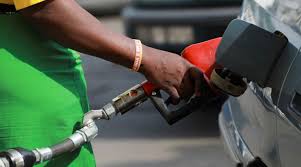
The Rwanda Utility body (RURA), has issued a stern warning to petrol stations, following reports on social media of fuel hoarding and price manipulation amid concerns over nationwide fuel availability.
The authority noted on Thursday, April 23, customers are entitled to purchase the amount of petrol or diesel they need, warning that any station found rationing or limiting what a customer receives is not allowed, and anyone found doing so will be punished in accordance with regulations governing the trade of petroleum products.
The warning issued on Thursday, April, 23 follows growing public concerns that some fuel stations may be deliberately withholding the supply of essential products, including petro, diesel, and kerosene in anticipation of price increases by RURA.
Ally Kayarukole, a concerned citizen, wrote on Truth Social: ‘The information circulating on the streets is that it’s not that these stations lack enough petrol and diesel; rather, because prices keep rising, they prefer to hold onto their stock so that they can benefit when prices increase.’”
Eugene Karangwa a milkman in Rwamagana District described what is happening as a classic case of “market sabotage,”
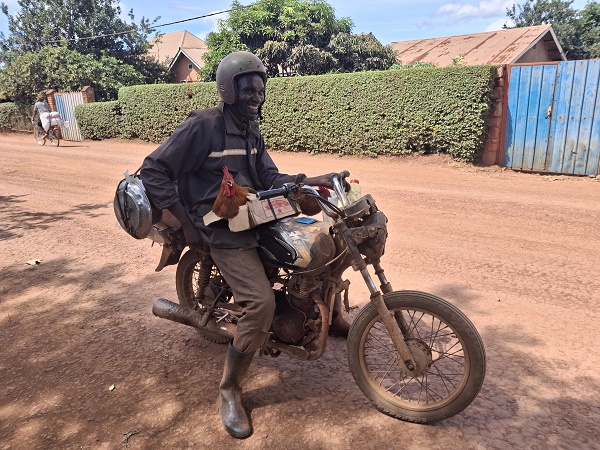
“Deep in rural communities, the very livelihood of agricultural, small scale retailers have abandoned the practice, many have shied away from selling fuel in water bottles, fearing one wrong move could land them behind bars,” He said, noting that, that has also led to shortages.”
“When retailers hoard fuel, they hold the country to ransom in anticipation of a windfall, they aren’t just seeking profit, they are choking the economy. RURA’s intervention is timely because, in a volatile global market, the citizens cannot be left at the mercy of cartels masquerading as legitimate traders.” Karangwa pointed out..
Discussing the impact of the war in the Middle East on Rwanda on Thursday, the Minister of State in the Ministry of Infrastructure, Ambassador Jean de Dieu Uwihanganye, warned that fuel prices will keep rising.
“The conflict in the Middle East has caused petroleum products to become more expensive because the Strait of Hormuz, through which 20% of global goods pass, has been closed by Iran,’ he said
Ambassador Uwihanganye emphasized that Rwandans should adopt behavior appropriate for a country facing extraordinary circumstances and reduce their consumption of petroleum products.
He noted that even after prices increased, there has been no change in the amount of petroleum products consumed in Rwanda, which is important for managing available resources efficiently.
“Even if we implement strong measures, we cannot do it alone. We need Rwandans themselves to change their behavior so they can adapt to these exceptional times. What I can say is that we have not seen a reduction in consumption. We need Rwandans to help us change behavior so that the fuel we import is used appropriately.”
Karangwa believes hoarding is a double edged sword, he also proposes that more fuel stations should be extended in rural communities. Photo by Rwanda Dispatch.
“The closure of the Strait of Hormuz is a massive external shock, but internal greed makes it worse,” notes Saml Byilingiro, a motorist in Kayonza District, “While the Minister is right that we must tighten our belts, the hoarding at the pump creates an artificial crisis. You cannot ask Rwandans to reduce consumption on one hand, while allowing unscrupulous traders to hide the little fuel available on the other. It’s a double-edged sword that requires an iron fist from the regulator.”