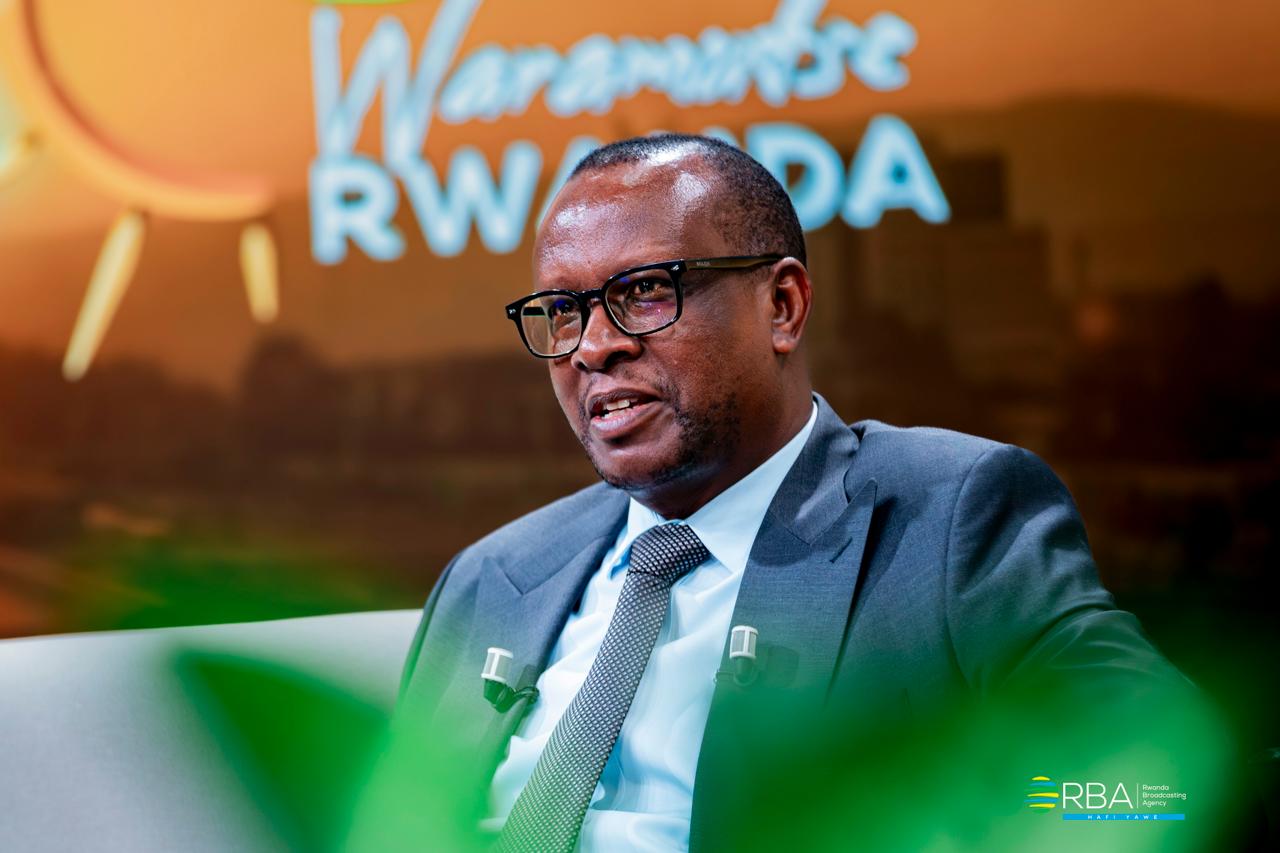
The level of unity and resilience among Rwandans increased by 13% between 2010 and 2025, according to an assessment cited by the Minister of National Unity and Civic Engagement, Dr. Jean Damascene Bizimana.
Bizimana said the increase was a positive sign of progress in the country’s efforts to strengthen unity, but warned that challenges linked to Rwanda’s past remain and require continued attention.
He made the remarks on Tuesday, Sept. 29, during an interview with Rwanda Broadcasting Agency ahead of October, the month dedicated each year to reflecting on national unity and resilience.
“This is a positive picture that Rwandans should be proud of, but we must continue to put efforts into preserving and further strengthening unity and resilience,” Bizimana said.
He said the annual observance provides an opportunity for Rwandans to assess the progress made in building social cohesion, discuss remaining challenges and consider measures to address them.
Bizimana said some areas still have people whose attitudes are influenced by what he described as remnants of Rwanda’s troubled history, including hatred and genocide ideology.
“There are areas where people still have attitudes and remnants resulting from the bad history,” he said, adding that some older people continue to hold views that threaten unity and resilience.
The minister said younger generations have an important role to play in addressing such attitudes, urging young people not to adopt views that could undermine the progress made in the country.
He said Rwanda had gone through both positive and difficult periods, particularly the 1994 genocide against the Tutsi, whose consequences continue to affect the country.
Oct. 1 also carries historical significance, he said, as the date on which the armed struggle to overthrow the government of the time began in 1990. Bizimana said the same period was also used by that government to begin preparations for the genocide against the Tutsi.
He urged Rwandans to use the unity month to reflect on the country’s past, present and future and on their individual contribution to its development.
The 2026 activities will include discussions in districts across the country, as well as engagements involving Rwandans living abroad.
The programme comes as the country implements its five-year National Strategy for Transformation, or NST2, with the ministry saying unity and resilience remain important to national development.