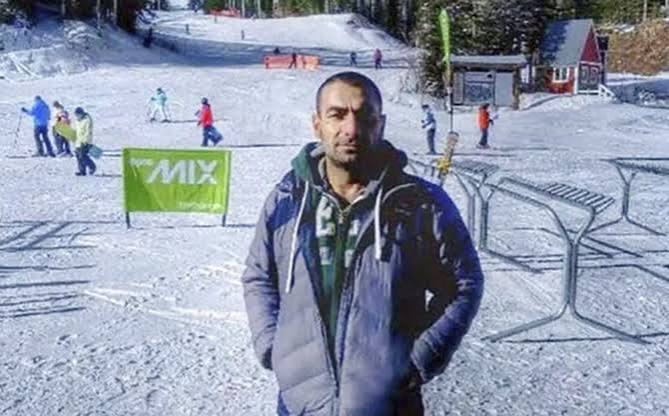
An Iraqi refugee flown out of the United States in April is the first test case of a quiet arrangement between Washington and Kigali: people the US cannot deport home, Rwanda will take.
The man, Omar Abdulsattar Ameen, spent years fighting deportation after Iraqi authorities accused him of killing a police officer while fighting for ISIS. He has always denied it. A federal judge who reviewed the case in 2021 wasn’t convinced either — he called the evidence unreliable and ordered Ameen released. That didn’t end it. Immigration officials under both Biden and Trump kept pushing for his removal, this time arguing he’d hidden his contact with armed groups when he applied for refugee status back in 2014.
What changed was the destination. Instead of Iraq, where the original case against him was built, Ameen was sent to Rwanda.
A State Department cable cited by several outlets since April lays out the arrangement plainly. The US Embassy in Kigali told Washington in March that Rwanda would accept people who couldn’t be returned to their home countries. A second cable, a month later, confirmed Ameen had already been moved and said Rwanda had agreed in principle to take roughly ten more people on the same terms.
Neither government has said much publicly. Rwanda’s Foreign Minister, Olivier Nduhungirehe, has confirmed only that talks with Washington over migration are underway. Speaking to state broadcaster Rwanda TV, he described them as “still in the early stages,” according to Al Jazeera. The State Department has declined to comment on Ameen specifically.
Rwanda has done this before. It signed a deal with the UK in 2022 to take asylum seekers removed from British soil — an arrangement that collapsed in 2024 once a new government in London walked away. This time the partner is Washington, and the terms look looser still: no public treaty, no parliamentary debate, just a cable and a plane ticket.
The upside for Kigali is obvious, goodwill with the Trump administration at a moment when Rwanda wants Washington’s patience on other fronts, not least its military role in eastern Congo. The cost is harder to see: a resettlement channel with no disclosed vetting or monitoring process, built around a man whose file includes terrorism allegations a US judge himself doubted.
Whether Ameen’s history matters much on the ground is another question. Rwanda’s borders and residency system are tightly controlled, and few expect him to move freely. The bigger issue isn’t the man, it’s what the deal sets up: an open channel for the US to route difficult deportation cases through Kigali, largely out of public view.
Rwanda Dispatch has asked the Ministry of Foreign Affairs for comment and will update this story if one comes.