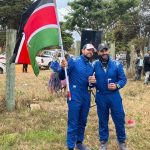
Rwandan rally crews endured a bruising opening day at the legendary Safari Rally Kenya, where the unforgiving terrain quickly reminded competitors why the event remains one of the toughest tests in world motorsport.
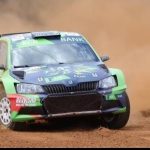
Veteran driver Giancarlo Davite emerged as Rwanda’s strongest hope after Friday’s stages around Naivasha, guiding his Subaru Impreza through the punishing gravel roads to stay in contention heading into the weekend.
The experienced driver faced an early setback with a 20-second penalty for arriving late at a time control, but he kept his focus and continued pushing through the demanding stages.
After a bruising opening leg on Friday, attention is turned to Saturday’s marathon schedule around Lake Naivasha, widely regarded as the rally’s decisive day. Crews were sent into a six-stage test covering 122.7 kilometres of competitive distance, with rough gravel, deep ruts and unpredictable conditions continuing to challenge both drivers and machinery.
The day begins with SS11 Soysambu 1 (24.94 km) early in the morning before crews headed into SS12 Elmenteita 1 (18.01 km) and SS13 Sleeping Warrior 1 (18.41 km), a fast but technical stage that winds beneath the dramatic cliffs overlooking Lake Elementaita.
After a midday service in Naivasha, drivers return to the stages for the second loop, repeating the same routes with SS14 Soysambu 2 (24.94 km), SS15 Elmenteita 2 (18.01 km) and SS16 Sleeping Warrior 2 (18.41 km) before the cars headed back to service at the end of the day.
For Rwanda, the focus remains on survival as much as outright pace on terrain that has long punished the slightest mistake. Veteran driver Giancarlo Davite continues to lead the Rwandan charge after Friday’s action, guiding his Subaru through the demanding Kenyan stages as crews battle dust, rocks and the ever-present risk of mechanical trouble.
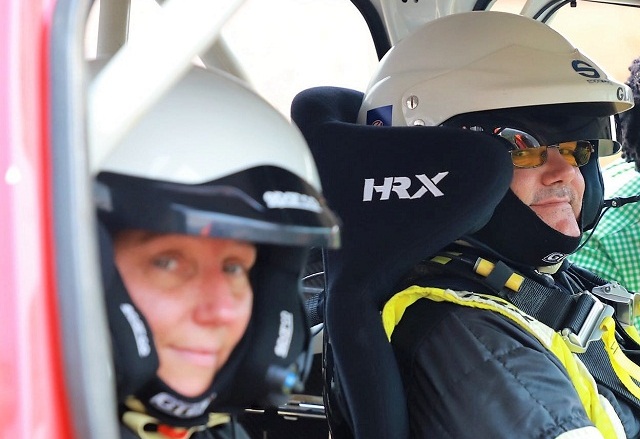
Elsewhere, For Queen Kalimpinya, making history as the first Rwandan woman to start the Safari Rally, the day delivered both pride and frustration. However her Subaru Impreza was later ruled out of the African Rally Championship classification due to technical compliance issues.
Despite the setback, Kalimpinya and co-driver Olivier Ngabo continued competing in the national category, determined to finish the rally.
It was a difficult day for Jean Claude Gakwaya and co-driver Claude Mugabo. Their campaign came to an early end after a timing 10-second minute penalty for arriving in one minute late, which ultimately forced the Mitsubishi Lancer crew out of the rally.
Meanwhile, Christian Kanangire and Kevin Shyaka remain among the Rwandan crews battling the rough Kenyan stages, taking on the notorious mix of rocks, dust and unpredictable conditions that have defined the Safari Rally for decades.
Rwanda entered four crews in the rally, competing mainly in the African Rally Championship support categories running alongside the World Rally Championship event.
Over the weekend, the rally is far from over. For the remaining Rwandan crews, survival will be just as important as speed as they continue their fight against one of rallying’s most demanding events.
With Sunday’s final leg still to come, including stages in Oserengoni and the iconic Hell’s Gate Power Stage, the Safari Rally remains far from decided. In a rally where survival often counts as much as speed, simply reaching the finish can be a victory in itself.