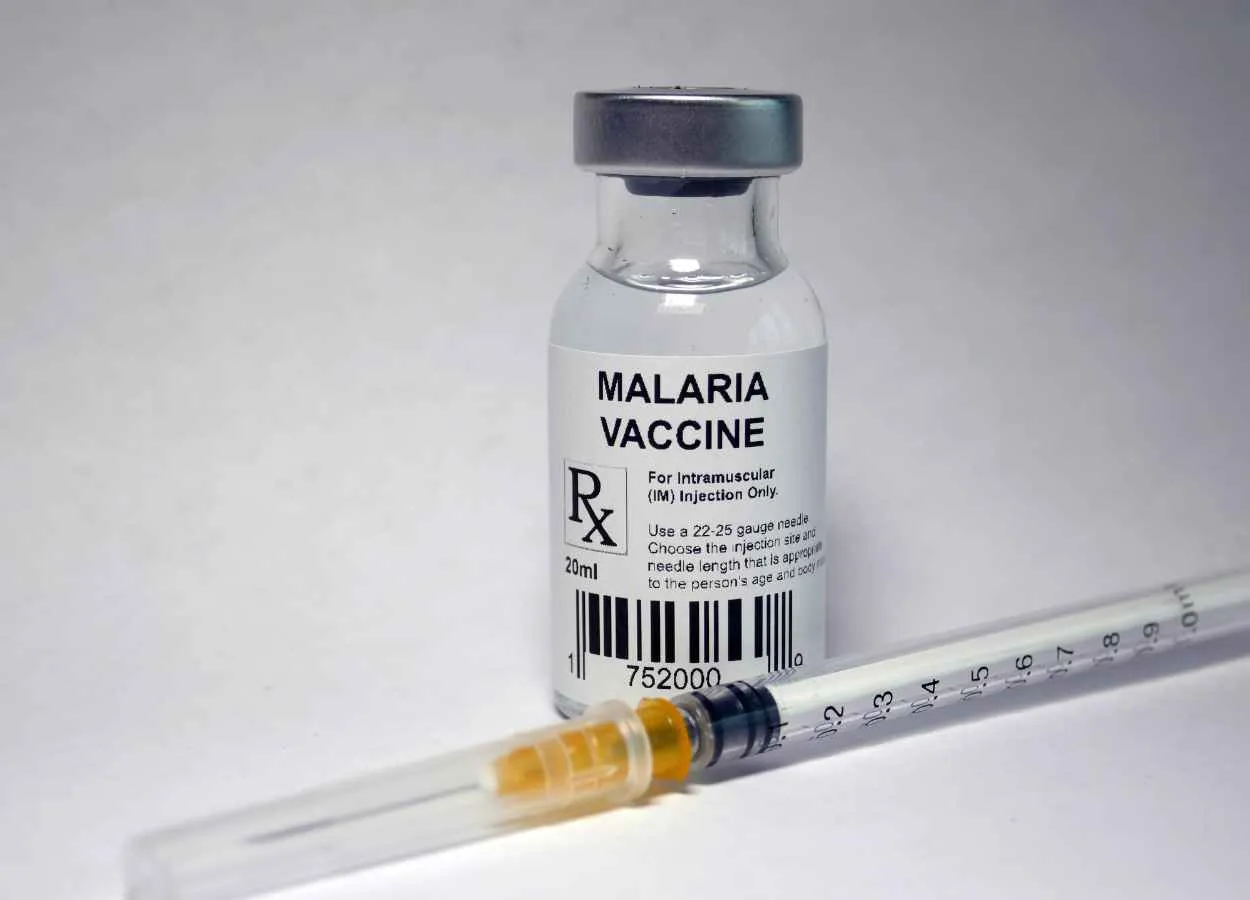
Rwanda has begun a clinical trial of an experimental malaria-prevention injection designed to remain active in the body for months, in research that could expand the options available to prevent the disease if its safety and effectiveness are established.
The Phase 1b trial of MMV371 was announced on November 2, 2026, by Medicines for Malaria Venture (MMV), which is developing the drug, and Rinda Ubuzima, a Rwandan health research organisation conducting the study in Kigali.
The injection is being developed to provide protection against malaria for up to three months, potentially reducing the need for frequent doses of preventive medicine. That duration has not yet been established, however, and the current study will focus mainly on safety and how the drug behaves in the body.
About 80 healthy participants aged between 12 and 50 are expected to take part. Three-quarters will receive MMV371, while the remainder will receive a placebo, an injection without the active drug. Neither participants nor researchers monitoring them will know who received which injection during the blinded phase of the study.
Participants will be followed for 24 weeks, including two overnight stays at the research facility and 15 follow-up visits. Researchers will monitor possible side effects, measure drug levels in their blood and test for malaria infections.
MMV371 is designed to release medicine gradually after injection. Once in the body, it is converted into atovaquone, a compound used in Malarone, a medicine taken to prevent or treat malaria in combination with another drug.
The proposed advantage lies in how the medicine is delivered. Rather than requiring repeated doses, the injection is intended to maintain drug levels in the body over an extended period. Whether it can provide reliable protection for three months will require further evidence.
The Rwandan study follows earlier clinical research in the United Kingdom and is the first Phase 1 trial of a long-acting injectable for malaria prevention to be conducted in Africa.
Marie Michele Umulisa, executive director of Rinda Ubuzima, said conducting the research in Rwanda allows African researchers and institutions to contribute to developing responses to health challenges affecting their communities.
The trial comes as malaria remains a public health concern in Rwanda. Figures cited in the study announcement show incidence at 72 cases per 1,000 people in the 2025/2026 financial year, down from 76 in the preceding year but above the 45 recorded in 2023/2024.
Dr Joyce Eugénie, a physician at Gatenga Health Centre, said people living far from health facilities could potentially benefit from a preventive medicine that does not require frequent visits to obtain doses.
She recalled treating a 14-year-old child who arrived with severe malaria after the family had initially sought traditional treatment. The child later developed serious complications.
The cost of MMV371 has not been established. Dr Cristina Donini, who oversees research and development at MMV, told The Telegraph that affordability was among the issues being considered as development continues.
Researchers will use the trial findings to assess the drug’s safety, how long it remains in the body and whether it should proceed to later clinical studies.