Rwanda and Kenya are seeking to turn their long-standing political relationship into deeper trade, investment, energy and infrastructure cooperation, as officials from the two countries review progress on existing agreements.
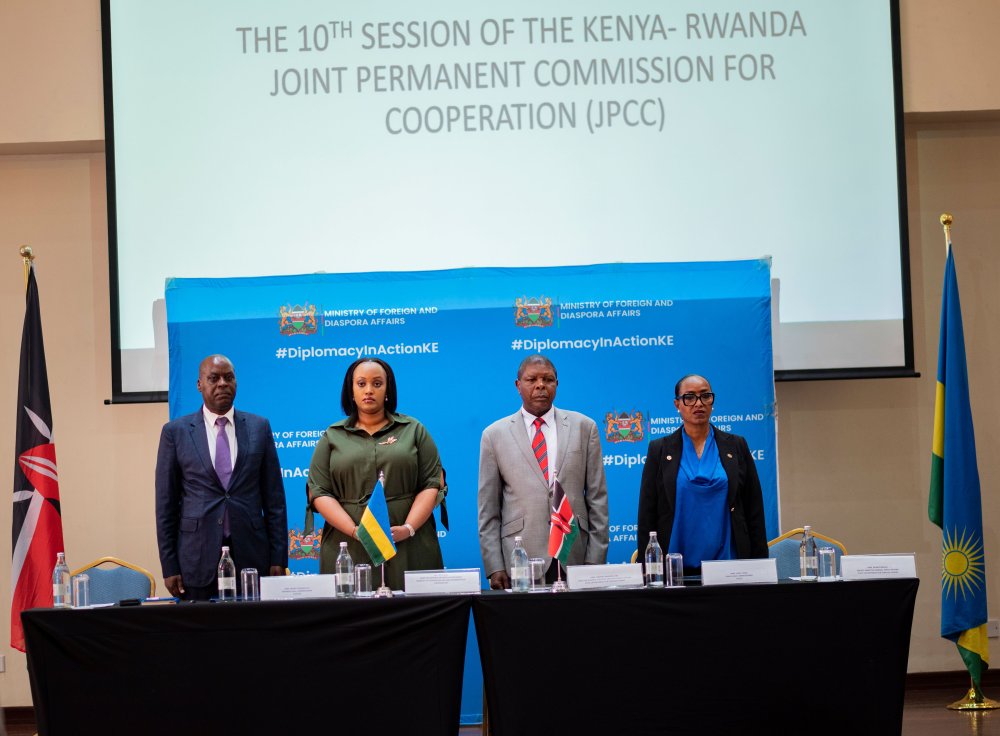
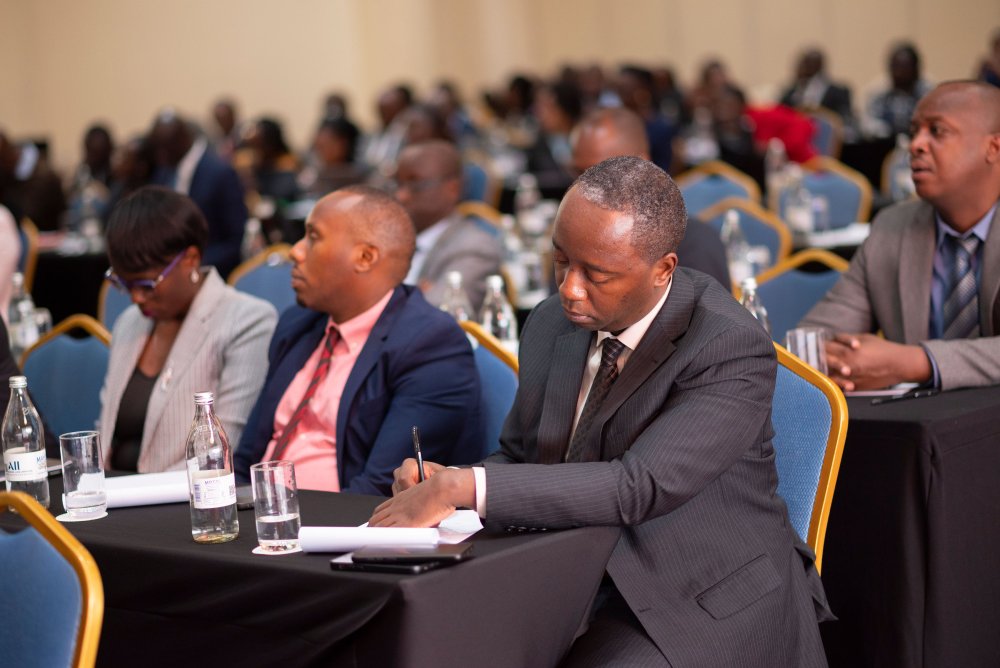
The push was highlighted Monday as Nairobi hosted the 10th session of the Joint Permanent Commission for Cooperation (JPCC), a three-day meeting bringing together senior officials from both countries to assess bilateral ties and identify new areas of cooperation.
Rwanda’s Ambassador to Kenya, Ernest Rwamucyo, said the meeting was an opportunity to assess what has been achieved and determine where the two countries can expand their partnership.
He pointed to the Northern Corridor as a key part of the economic relationship, particularly for landlocked Rwanda’s access to the Port of Mombasa.
“As a landlocked country, Rwanda relies on efficient use of the Port of Mombasa, and we appreciate Kenya’s cooperation in keeping this route open,” Rwamucyo said.
The importance of the corridor has grown with a new framework allowing Rwanda to import bulk refined petroleum products through Kenya’s infrastructure. On Sept. 29, the MT Sea Wolf delivered Rwanda’s first 40,000-tonne cargo of refined petroleum products at Mombasa.
Teta Gisa, Rwanda’s director general for Africa affairs at the Ministry of Foreign Affairs, said the priority now was to ensure bilateral agreements produce practical benefits.
“The 10th JPCC gives us an important opportunity to move beyond simply reviewing what has been done and ensure that our commitments translate into tangible benefits for the people of Rwanda and Kenya,” she said.
Kenya’s Principal Secretary for Foreign Affairs, Dr. Korir Sing’Oei, said stronger bilateral cooperation could also reinforce East African integration and give the region greater influence internationally.
Kenya also wants to expand trade and investment with Rwanda, while Rwanda has invested in Kenya, including through its acquisition of shares in Kenya Pipeline Company.
Kenya’s Ambassador to Rwanda, Janet Mwawasi Oben, said the relationship was based on trust, shared regional interests and a common economic vision.
The two countries have maintained diplomatic relations since 1965. Their previous JPCC meeting, held in Kigali in April 2023, ended with 10 cooperation agreements covering key sectors.