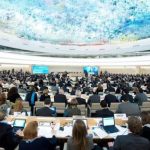
Rwanda has achieved more than 95% of its human rights commitments over the past four years, the Ministry of Justice said Tuesday, marking an improvement from the previous review period.
The announcement came at a meeting in Kigali presenting the country’s report on human rights compliance, based on recommendations from the United Nations Human Rights Council (UNHRC). The two-day meeting brought together government officials and representatives from civil society organizations.
Rwanda joined the UN’s Universal Periodic Review process in 2011 and has submitted three reports. In the last review in 2020, the country fulfilled 95% of its accepted recommendations.
Justice Minister Emmanuel Ugirashebuja said the government had made significant progress in areas including education, health, disability inclusion, elderly support, and civil society regulation.
“Many of our goals have been achieved,” Ugirashebuja said. “We have expanded schools to ensure children can study, supported people with disabilities, increased pensions for the elderly, and enacted a law governing civil society organizations to ensure their work benefits the public.”
Ugirashebuja said the current implementation rate has risen to about 97%. The report will be finalized and submitted to the UN on Jan. 21, 2026, after incorporating feedback from the meeting.
The review assessed progress on 160 recommendations that Rwanda committed to implementing out of 260 received in 2021. Key achievements included improvements in public services, freedom of expression, and other rights-related initiatives.
Kananga Andrews, Executive Director of the Legal Aid Forum, said Rwanda’s compliance rate was higher than previous periods but called for efforts to reduce prison overcrowding and speed up trials involving children.
Michael Ngabirano, Senior Human Rights Advisor at the UN Human Rights Office in Rwanda, praised Rwanda’s commitment to human rights but emphasized the need for greater civic freedom in political expression and recommended further review of certain provisions in the newly passed civil society law.