Fresh Inflation figures released Monday cast a shadow over government’s latest budget planning, with the cost of living in Rwanda continuing to climb at a pace likely to squeeze already strained household budgets.
The Nationa Institute of Statistic Rwanda (NISR), said the Consumer Price Index rose to 13 percent in April 2026, up from 9.2 percent recorded in March.
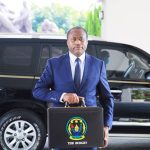
The figures were released just as the Minister of Finance Yusuf Murangwa tabled the 2026-2027 Medium-Term Expenditure Framework before Parliament, setting the stage for fresh debate over how the government plans to ease the burden on citizens from rising prices.
Food prices remained among the biggest drivers of Inflation rising by 15 percent compared to the same period last year, while transport costs registered a sharp monthly increase of 15.1 percent, an indicator likely to being felt quickly by commuters and traders alike.
Analysts partly attribute the rise in transport costs to the recent fuel price hikes announced by the Rwanda Utilities Regulatory Authority (RURA), following turbulence in global oil markets.
Housing, related costs, including water, electricity, gas and other fuels, also climbed by 12.3 percent annually, and mounting pressure on basic household spending.
The statistics body further reported increases in both local and imported products, suggesting that Inflationary pressure is being felt across supply chains rather than in isolated sectors alone.
For many consumers, however, the numbers released in Kigali are already visible in daily life, at food markets, bus parks and boutiques stores where prices have steadily edged upward in recent months.