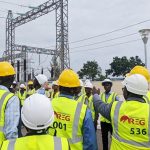
Health officials in Rwanda have launched an aggressive new strategy to combat a spike in malaria cases, reporting that more than 10,000 infections were detected in just 30 days in the capital Kigali.
The Rwanda Biomedical Center (RBC) said the cases were identified between April 21 and May 18 in community-level screenings involving over 50,000 residents. The new approach includes testing and treating entire households when one member is found to have malaria.
The initiative follows recent RBC research showing a resurgence of malaria across the country. In Kigali alone, 34,963 people about 70% of those targeted were tested, and more than 10,000 tested positive for the disease. In total, 14,787 confirmed cases were recorded among 50,147 people across the capital’s 15 sectors.
RBC’s February data showed Kigali leading the nation in malaria cases. Gasabo District reported 15,409 cases, followed by Kicukiro with 10,473. Nyarugenge District ranked fifth nationwide with 5,161 cases.
“With the rise in malaria infections, we now test and treat all members of a household when one person is diagnosed,” said Epaphrodite Habanabakize, an RBC official in the malaria control division. “A mosquito can infect everyone in a home, even if only one person shows symptoms.”
The new protocol relies heavily on community health workers, who perform testing and administer treatment at the village level.
“Early diagnosis and treatment are crucial to eradicating malaria,” said RBC Director General Prof. Claude M. Muvunyi. “Eliminating malaria starts with each of us.”
According to RBC, malaria cases jumped from 600,000 in 2023 to 800,000 in 2024. Despite the recent increase, the country has made significant progress since 2016–17, when it reported more than 5 million cases, including 18,000 severe cases and 300 deaths.
Health authorities say the household testing initiative will be rolled out nationwide if it proves successful in Kigali.