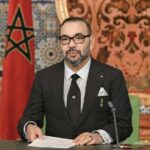
President Paul Kagame has urged young Rwandans to avoid harmful habits and take responsibility for their future, as Health Minister Dr Sabin Nsanzimana warned that alcohol and drug abuse could derail their ambitions and undermine national development.
The two spoke on Wednesday during a Meet the President dialogue with young people at BK Arena in Kigali, where participants raised concerns about substance abuse, public services, personal discipline and other challenges affecting the youth.
Kagame said changing harmful behaviour ultimately depended on an individual’s willingness to change, adding that repeated punishment or advice would not necessarily help someone who lacked that commitment.
“I don’t know what people like about alcohol. It doesn’t even taste good, really,” he said.
The President recounted the experience of a close staff member whose drinking had become a concern. He said he would often look for the man in the evenings but fail to find him.
Kagame eventually asked for him to be brought to his residence.
“When he arrived, I was upstairs on the staircase. I saw him downstairs, walking while leaning against the wall,” he said.
Kagame said he had intended to assign the man a task but instead gave him time off to recover from drinking. He said the incident illustrated how harmful habits could affect a person’s conduct and responsibilities.
He urged young people to use their time to study, work and develop habits that would help them build their lives.
“Young people, do not despair. Develop good behaviour and practise it, including in how you treat others, because you are not living for yourself alone. You are part of a family and a country,” he said.
Minister calls for alcohol to lose its social status
Nsanzimana urged young people to challenge the social acceptance of alcohol, saying it had been given an undeserved place in Rwandan culture and family life.
He said young people often have dreams and turn them into goals, but harmful habits can stand between them and the future they want to achieve.
“How do our strengths combine to become the strength of the country? Let us help the President take the country where it needs to go,” he said.
“We must take away the status alcohol has been given and give importance to what deserves it. There is nothing good about alcohol, either for health or for the country’s development. You can live without drinking it.”
The minister explained that alcohol could reach the brain rapidly and interfere with communication between brain cells, affecting judgement and behaviour.
He said a person under the influence could become aggressive towards family members and friends or make decisions they would not make when sober.
Nsanzimana also warned against illicit alcoholic products, saying some had caused blindness. He cautioned against cannabis use, particularly among young people whose brains were still developing.
Citing research, he said substance abuse could prevent people from achieving their ambitions and contribute to school dropout.
He urged young people to exercise regularly, seek medical assistance when needed and support friends experiencing health problems.
Kagame says youth have kept him young
Kagame also responded to Nsanzimana’s description of himself as a young person, saying he had continued to identify with the youth because they had maintained their connection with him.
“Sabin said there are many of us who have refused to leave the youth. But I have an additional advantage. My advantage is that the youth has also refused to let me leave,” Kagame said.
He added that young people and those who continued to identify with them should work together to improve themselves and build the country.
Kagame first used the expression “Mzee Kijana”, meaning an old young man, during his 2003 presidential campaign.