President Paul Kagame met Wednesday with the secretary-general of the African Continental Free Trade Area as Rwanda renewed its call for stronger implementation of the agreement aimed at expanding trade across Africa.
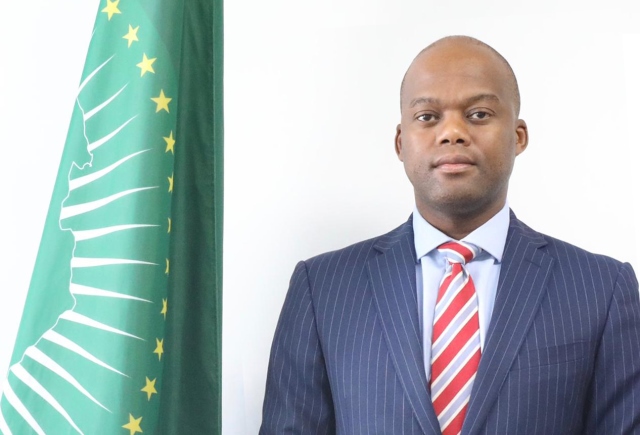
Kagame received Wamkele Mene, secretary-general of the AfCFTA Secretariat, at Village Urugwiro, according to a statement from the Office of the President.
The discussions focused on steps African countries need to take to implement their commitments under the agreement and achieve its goal of increasing trade between countries on the continent.
The AfCFTA agreement entered into force in May 2019, while trading under the continental framework began on Jan. 1, 2021.
As of October 2025, 50 of the 54 countries that have signed the agreement had ratified it, according to the U.S. Commerce Department. Four countries — Benin, Libya, Sudan and South Sudan — had yet to ratify it at the time.
Rwanda was among seven countries that took part in the initial AfCFTA Guided Trade Initiative, a pilot launched in 2022 to test preferential trade in selected goods. The other countries were Cameroon, Egypt, Ghana, Kenya, Mauritius and Tanzania. The initiative later expanded to additional countries.
Rwanda has also begun using the continental framework to expand exports to African markets. The U.S. Commerce Department says Rwanda has been dispatching consolidated shipments of value-added agricultural products to regional markets under its national AfCFTA strategy.
Kagame also met Wednesday with Monica Geingos, former first lady of Namibia and chancellor of Kepler, a higher education institution in Rwanda.
Geingos was in Rwanda to attend an African conference focused on changing mindsets.
According to the president’s office, Kagame and Geingos discussed the role of education and ways to expand opportunities for young people to contribute to development in Rwanda and across Africa.
The meeting with Mene comes as African countries continue efforts to turn the continent-wide trade agreement into increased commercial activity and stronger economic links between member states.