In September, Cabinet, chaired by President Paul Kagame, approved a review of national electricity tariffs aimed at expanding access, advancing universal power coverage, and strengthening the electricity sector.
Following that decision, the Rwanda Utilities Regulatory Authority (RURA) introduced revised end-user tariffs on October 1, 2025, designed to reflect the true cost of supply and ensure the long-term sustainability.
The last tariff adjustment was in 2020. Households consuming less than 15kWh per month paid Rwf 89/kWh, while those using 15–50kWh were charged Rwf 212/kWh.
User Type
2020 Tariff (Rwf/kWh)
2025 Tariff (Rwf/kWh)
Change (%)
Household <15kWh
89
89
0
Household 15–50 kWh
212
90
-57
Non-residential ≤100 kWh
227
239
+5
Small industry
134
175
+31
Medium industry
103
133
+29
Large industry
94
110
+17
Schools/Health facilities
186
214
+15
Broadcasting
192
276
+44
Source: Author compilation from RURA scheduled tariffs 2025
Non-residential users consuming up to 100kWh paid Rwf 227/kWh, with rates rising above 100kWh. Industrial tariffs ranged from Rwf 94/kWh for large industries to Rwf 134/kWh for small industries.
The 2025 adjustment maintained the lifeline rate of Rwf 89/kWh for low-income households, expanding the protected bracket from 0–15kWh to 0–20kWh. Households using 15–50 kWh saw their rate drop from Rwf 212 to Rwf 90, a 57% reduction.
Meanwhile, industrial and non-residential users experienced increases to align tariffs more closely with supply costs: small industries rose from Rwf 134 to Rwf 175, medium industries from Rwf 103 to Rwf 133, and large industries from Rwf 94 to Rwf 110.
Source Authors Compilation from RURA
Broadcasting services now pay Rwf 276 per kWh, and schools and health facilities Rwf 214 per kWh. Table below shows the 2025 tariff adjustment by RURA between 2020 and 2025
Some households expressed concern over higher bills, particularly in rural areas. Minister of Infrastructure Jimmy Gasore responded:
“The previous tariff review was made in 2020. The quarterly review aims to ensure that the cost of producing electricity corresponds with the tariffs paid by consumers. Ongoing investments in power plants and transmission channels require sustained funding. As demand grows with changing lifestyles,”
To understand how Rwanda’s electricity generation is really faring, let us rewind back on how the sector has grown.
Over the last 30 years, Rwanda has increased electricity access, from 1% in the 1990’s to 83% in 2025. Installation capacity has expanded from 228MW in 2019/20 to 406 MW in 2023/24, including domestic generation (321.3 MW) and imports from shared regional plants (85.1MW).
In 2014, the energy sector was structured: the former Energy, Water and Sanitation Authority (WASAC) split into two bodies, creating the REG, to oversee, the Energy Development Cooperation Limited (EDCL) which is responsible for developing new power projects, and the Energy Utility Cooperation Limited (EUCL) tasked with operating and maintaining the national grid.
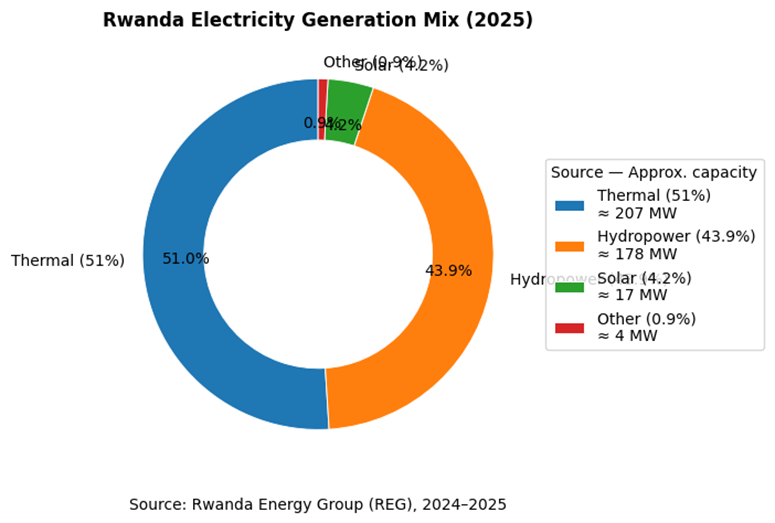
Since then, electricity generation became a mix depending on different power plants including cross-border shares. 51% from thermal sources, followed by hydro sources (43.9%) and the additional is from solar sources at 4.2%.
To ensure that Rwanda achieves its generation capaticy, a policy energy framework was realized in 2025 to guide the government institutions, private partners into implementation actions.
As part of the new framework, several power projects are now underway to expand on Rwanda’s power grid, according to REG annual 2023-2024 report.
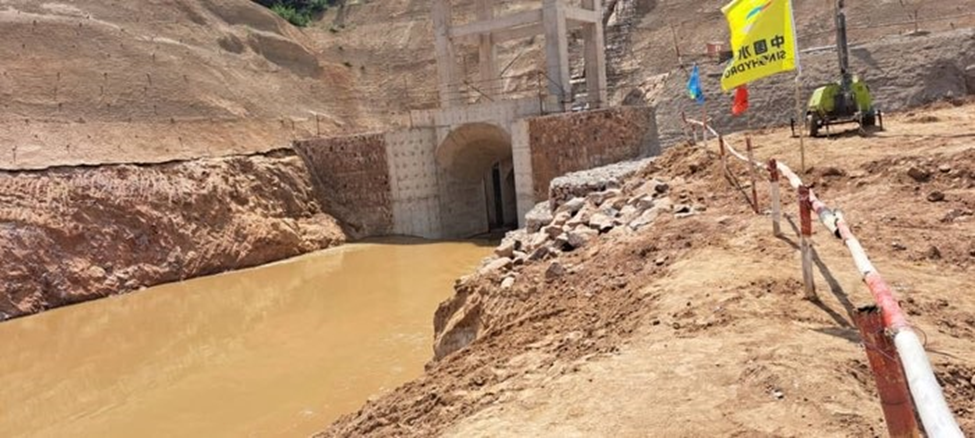
These include among others Hakan peat to power plant which will add 80MW when it becomes decommissioned, Rusumo Falls Hydropower plant (26MW), add another layer Rusizi III (48.3MW), Shema (56 MW) and Nyabarongo II pictured below (43.5 MW). These projects show a country investing heavily in an energy system that can keep pace with its economic ambitions and reduce the gap between rural and urban access.
Nyabarongo II Hydroelectric Power Station, with installed generating capacity of 43.5 megawatts.
Rusumo regional hydro project, shared with Tanzania and Burundi, has already added 27 MW to Rwanda’s grid and will supply electricity to Bugesera Airport and nearby irrigation schemes.
Additionally, the methane-based projects on Lake Kivu, including Shema, KivuWatt I (26 MW), and Kibuye Power I (3 MW), collectively provide 79 MW.
The Nyabarongo II dam funded US$214 million loan from China Exim Bank, almost complete, will generate electricity while also supporting irrigation, water supply, and flood control.
Access
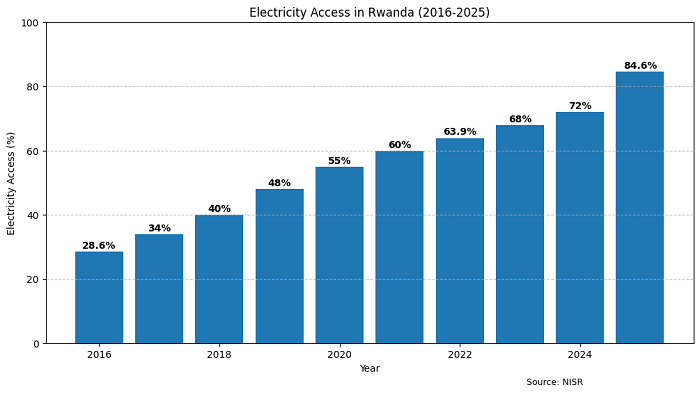
Rwanda’s electricity access has surged from 1%in 1990’s to 84.6.% in 2025, according to the Integrated Household Living Conditions Survey (EICV 7, 2023–2024) by the National Institute of Statistics Rwanda (NISR).
The bar graph titled ‘Electricity Access in Rwanda (2016-2025)’ illustrates a consistent and significant increase in electricity access over the observed decade. Starting from a relatively low base of 28.6% in 2016, the access rate shows steady growth, reaching 55% by 2020. The trend indicates an acceleration in the latter half of the period, with access projected to climb to 84.6% by 2025. This demonstrates Rwanda’s strong commitment and progress towards expanding electricity access to its population, with nearly a threefold increase anticipated within ten years
In 2023/24 alone, 137,502 new households were connected to the grid, bringing the total to 1.946 million households.
As of mid-2025, electricity access in Rwanda reached approximately 84.6% of households, with 59.6% connected to the national grid and 25.0% using off-grid systems like solar.
The country has made significant progress from a low of 6% in 2009 to the current rate through a combination of grid expansion and off-grid solutions, with a goal of universal access by 2030.
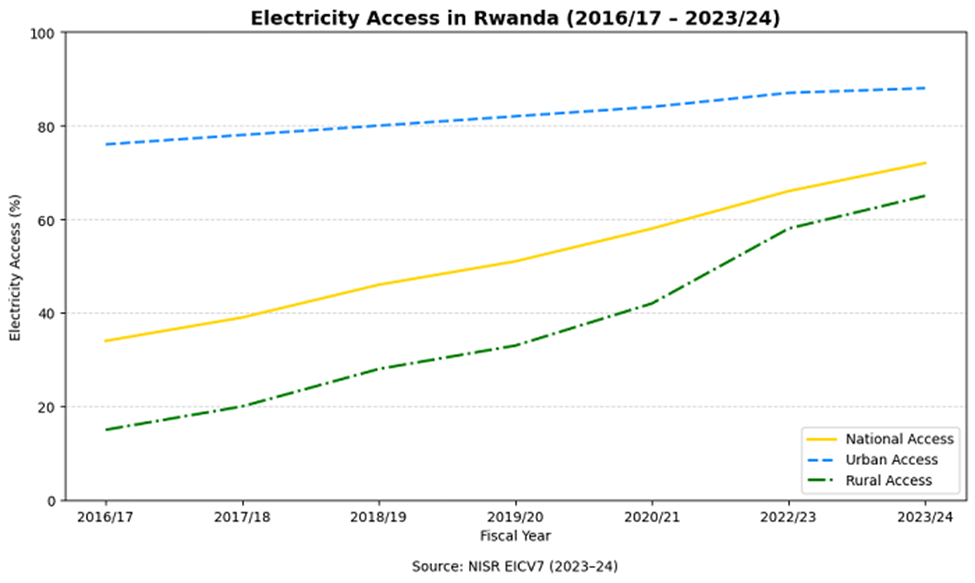
This plot illustrates the trends in electricity access in Rwanda from the fiscal year 2016/17 to 2023/24. It disaggregates the data into national, urban, and rural access percentages, showing a consistent increase across all categories over the years, with urban areas maintaining significantly higher access rates than rural areas, although rural access has also seen substantial growth.
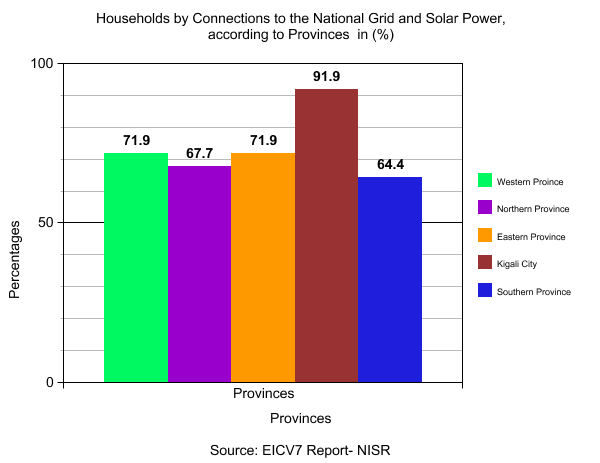
Kigali city has the highest household connections, Western Province follows with almost 80% and Southern Province has the lowest household connections with 54.4%.
According to a REG report 2024, average power losses have been reduced from 16.9% in the previous year to 18% for 2023-2024. In addition, monetary losses have decreased to RWF312.9 million, a shift to the cost-effective tariff.
Rwanda has achieved a significant milestone in expanding electricity access, reflecting progress in national infrastructure and energy policy.
However, challenges remain: many rural communities still rely on biomass, primarily firewood, for cooking, highlighting the need for further clean energy solutions and rural electrification programs.
“We used to spend about Rwf 2,000 on electricity, roughly 16 units, and it could last us nearly a month because we hardly use any appliances apart from a small radio and charging our phones,” said Musafiri Kagabo, a resident of Rukara Sector in Kayonza District.
Households living under poverty have also criticized increase in tariffs, they say that the simple act of turning on light has become unattainable luxury.
A household in Kayonza, who asked not to be named, described how limited access shapes daily life. “Electricity is as foreign as the stars in our house. My children can only study during the day or under the faint light of the moon at night. They’re competing in the same classrooms with children who revise under proper lighting at home. It’s not a fair race.”
“Over the last 30 years, access to electricity in our rural communities was a real challenge,” said Vincent Karera, a resident of Kimaramu Sector in Nyagatare District.
“Today, we appreciate the government’s efforts, we can enjoy a cold drink, and installation is easy. You buy a cash power box and even pay in installments. The only catch is the tariffs keep going up, it’s like fueling your car at the pump! But they say they’ll review them every three months, so maybe we’ll get lucky when all power generating stations begin to operate. ”
Black out
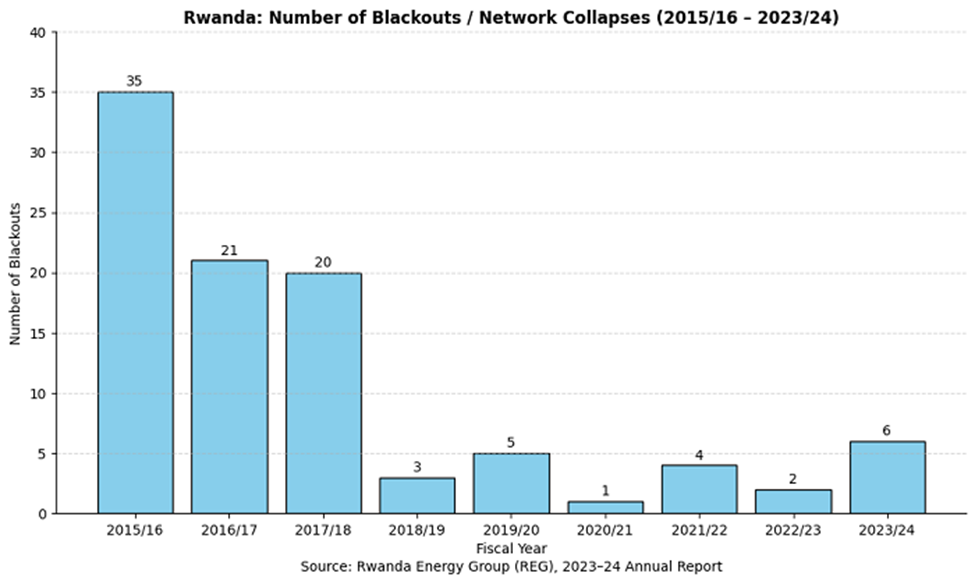
Between 2021 and 2022 REG registered 35 times, while 2023-2024 saw six times. Load shedding has become more common, including one national wide blackout in October 2024.
Based on the graph above, there was substantial decrease in the number of blackout from 35 in 2015/16 to low 1 in 2020/21. This shows a general improvement in network stability over a period. However, there was a salient increase in 2023/24 six blackouts compared to the previous two year though this is still significant lower than in the initial years..
Load shedding this year has become somewhat of a routine both in rural communities and urban areas; at one point the whole country almost experienced a block out, an incident that led to most residents turning to social media accusing REG of not communicating before the blackouts.
Last year, the energy agency-REG identified irregularities among 16,127 customers, including 104 unmetered connections, 42 cases of electricity theft, and 44 tampered meters.
Though, the agency recovered Rwf 86.7 million in fines and Rwf 45 million in regularization bills.
Push for clean energy
While Rwanda continues to scale up its electricity generation capacity, it is also diversifying its energy mix, with a clear focus on sustainability and affordability.
The government has encouraged other nations to adopt similar approaches.
Speaking at COP29 on the need for climate finance in Africa, Dr. Valentine Uwamariya emphasized the role of renewable energy in achieving broader climate goals.
“We need high-emitting nations to do more to quickly reduce emissions and swiftly transition to clean energy, which means working together to share knowledge, experience, and the technologies required to build a greener future,” she said.
Rwanda has already taken concrete steps toward this transition. In October 2023, the country decommissioned its diesel power plants following the commissioning of the Rusumo Hydro Project and the Shema methane gas plant in Rubavu, significantly increasing the national power supply and advancing the shift toward clean energy.
The European Union Ambassador to Rwanda Belen Calvo Uyarra has praised Rwanda’s vision on clean energy transition. She said, “Projects such as the Rusizi III Regional Hydropower Plant, will supply 206 MW across three countries, Rwanda, Burundi, and Democratic Republic of Congo (DRC).”
Rwanda’s recent energy partnerships show a clear shift toward a more flexible and reliable power system. Deals with private firms such as ARC Power are helping the country expand solar generation and reach communities that have waited longest for electricity.
At the same time, major financing from the African Development Bank and the Asian Infrastructure Investment Bank is strengthening the national grid, extending connections, and supporting clean-cooking initiatives. Together, these efforts point to a strategy that mixes public investment with private innovation to meet rising demand from households, businesses and new industrial zones.
The government is also tightening coordination with Energy Private Developers, a move that brings hundreds of companies into a shared plan for expanding both grid and off-grid power.
Table showing Rwanda’s major power projects, capacity
Project
Capacity (MW)
Notes
Hakan Peat Power Plant
80
To be commissioned
Rusumo Falls Hydropower
26
Regional, shared with Tanzania & Burundi
Rusizi III
48.3
Hydropower
Shema
56
Methane gas plant
Nyabarongo II
43.5
Dam + irrigation & flood control
Source: Minstry of Infrastructure Energy Report
Methane gas projects on Lake Kivu (Shema, KivuWatt, Kibuye Power II) collectively add 79MW. Nyabarongo II, funded by a US$214 million loan from China Exim Bank, is nearing completion.
To diversify the energy mix, Rwanda is activity pursuing the development of a nuclear power program, with its first small Modular Reactor (SMR) plant expected online by 2030.
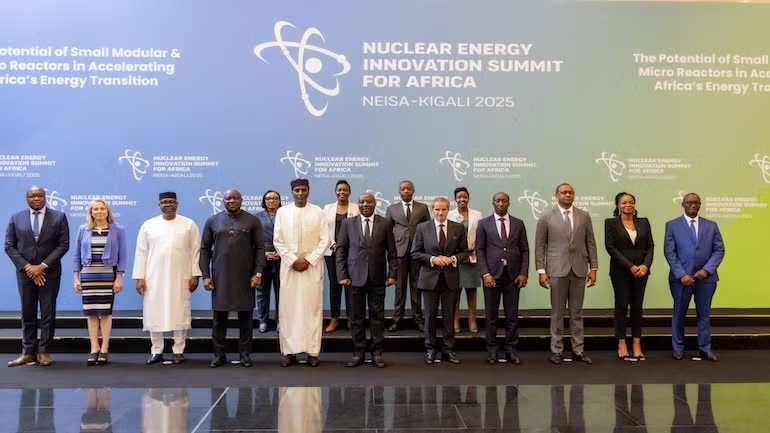
At the lead up to the Nuclear Energy Innovation Summit for Africa (NESIA), on the potential to meet the growing energy demands, Dr. Jimmy Gasore, Minister of Infrastructure said, “Rwanda needs nuclear energy to generate capacity up to 5 GW.
Several countries in Africa are considering nuclear power as a clean, reliable and accessible energy option/Photo by RAEB
“Nuclear energy is clean, reliable and environmental friendly source of power,” Minister explicitly highlighted noting that the intention and ambitions are entirely peaceful and development-oriented.
According to Rwanda Atomic Energy Board (RAEB) CEO Dr Fidèle Ndahayo, the planned plant will use small SMRs using high-assay low-enriched uranium (HALEU) fuel. “That is our goal, for the first phase to begin producing electricity.
“The reactor will be built using cutting-edge technology, some of which is not yet commercially available, and will occupy between 15 to 50 hectares of land, which can easily be allocated anywhere in Rwanda,” he added.
pro
Last year, Fortis Green Renewables acquired a 51% stake in Gigawatt Global Rwanda Ltd, the 8.5MW solar plant at Agahozo-Shalom Youth Village. Courtesy photo: Fortis Green Renewables
In addition to generate more capacity, the small East African nation is currently developing several new solar projects in various three various districts.
Rwamagana Solar Power Station, also known as the Agahozo Shalom Solar farm, will be the first utility-scale solar farm in East Africa, approximately 60km, and will expected to generate 8.5% MW. Other projects include: 10 MW plant in the Bugesera District and a 20 MW project in Nyagatare, all part of effort to increase and achieve universal electricity access.
Hon. Jean De Dieu Uwihanganye, Minister of State in the Ministry of Infrastructure, revealed, that we have powered the country and then it has grown faster than we expected. We now need to fasten the way we generate energy,
“Hopefully the private sector is welcome,” Hon Uwihanganye said pointing to opportunities in power purchase agreements and off-grid solutions.
Experts have also weighed in saying that there is need for investment in capacity building, digitalization and gender inclusiveness.
Dr. Ivan Twagirashema, Executive Chairman of Energy Private Developers (EPD), highlighted “The path towards a sustainable, innovative energy future for Africa will only be achieved through strong collaboration, strategic investment and unified commitment,”
Banking on green energy
To achieve a universal electricity access goal by 2030, the government intends renewable energy to account for 60% of its electricity generation mix by the same year. The long term plan target is 65% from renewable by 2035..
A Results-Based Financing scheme run by EDCL and the Development Bank of Rwanda is supporting low-income households to adopt to LPG, and improved stoves for cooking, reaching 500,000 homes and more than two million beneficiaries.
The initiative supports the national push to expand access to modern cooking options, including LPG, electricity and improved stoves.
Under the upcoming program with the Middle East initiative (MGI), the government of Rwanda seeks to provide 50,000 affordable liquefied Petroleum Gas (LPG) kits to household over the next 18 months.
At the same time, FairClimateFund and Pallets in Pellets have introduced biomass pellets as an alternative to firewood and charcoal. Made from compressed organic waste, the pellets cut CO₂ emissions and reduce indoor smoke, offering families a cleaner and healthier cooking option.
Together, these projects underline Rwanda’s shift toward cleaner energy in homes, a crucial step for both public health and climate goals. or instance, the shift to gas is expected to save millions of trees and significantly reduce carbon dioxide and black carbon emissions.
The International Renewable Energy Agency (IRENA) has stressed the need to mobilize significant investments as a catalyst for boosting renewable energy in Africa in order to meet global climate and development goals, with a target of at least $1.4 trillion annually by 2025-2030.
Commenting on these efforts, Dr. Kandeh Yumkella, Energy Sector Lead, Chairman of the Presidential Initiative on Climate Change and Renewable Energy and Food Security (PI-CREF) and Energy Governance Coordination Group (EGCG) during a gathering in Freetown, the capital city of Sierra Leone, from 22–23 October 2025, hailed the signing of a 2.2 billion deal that was concluded in Freetown, between APRA members countries and donors to boost shares of renewables from current 46% up to 52% in Africa.
A woman cooks using a Bboxx clean cooking stove, one of the solutions supported through a BRD–Bboxx partnership under a World Bank–backed subsidy program reaching 500,000 Rwandan households
In addition, it is projected to reduce premature deaths and disability-adjusted-life-years by over 765,000 through improved indoor air quality and the transition is expected to create new economic opportunities and support the growth of the clean energy sector, attracting private sector investment.
As Rwanda tackles its critical electricity challenges, similar debates are emerging across Africa. The African Energy Expo due in Kigali 2025 (25-27) November will bring together all continental top energy decision makers.
But beyond exhibitions and panels lies a critical question: Is Africa’s energy transition now unavoidable? The choices that African goverments make today regarding generation, infrastructure, and technology will shape regional development and may influence global civilization for decades, if not centuries.


 pro
pro