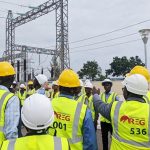
Rwanda’s recent electricity shortages are the result of rapidly growing domestic demand, not international conflicts in the Middle East, State minister for Infrastructure, Ambassador Jean de Dieu Uwihanganye, has revealed.
The issue was discussed on Sunday’s broadcast of Media Forum, which highlighted Rwanda’s strategies for managing electricity shortages amid rising energy costs.
Uwihanganye explained that as Rwanda’s economy and industries expand, consumption has surged beyond the available supply. “This is a reflection of our development, not foreign events,” he said, noting that February saw unprecedented electricity use across the country.
When local production falls short, Rwanda supplements its supply by purchasing power from neighboring countries. Because the grid is interconnected regionally, disruptions in one area can cause temporary outages elsewhere. Power is also sometimes intentionally reduced to factories to prevent costly shutdowns, he said.
The government is addressing the problem by boosting electricity generation. Nyiramugengeri plant in Gisagara is set to increase output from 20 to 70 megawatts this year. Plans are also underway to build new plants, including solar facilities projected to produce 500 megawatts by 2028.
Other projects include the second Nyabarongo and fourth Rukarara plants, which together will contribute nearly 50 megawatts. A government-approved facility is expected to add 185 megawatts by 2029. Rwanda is also exploring nuclear power, with projects planned for around 2030.
Officials are also investing in protecting transmission lines, a long-term effort that could take up to 18 months, to reduce the impact of regional disruptions.
Uwihanganye said the government is accelerating projects that were previously moving slowly, ensuring Rwanda is better prepared to meet rising electricity demand.