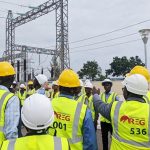
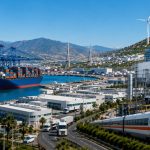
The construction of five cooking gas storage facilities with a storage capacity of 17,500 cubic meters has reached 70%. The project, which is being built on six hectares in Rusororo, Gasabo District, will cost 65 billion Rwf. It is expected to start producing tangible results in July 2026.
The project is expected to advance the country’s energy transformation program, with the aim of reducing the use of wood-based fuels, improving public health and increasing resilience to climate change.
Abdul Rahman, who is in charge of the construction of the facilities, said that they will help store more gas and benefit the people of Rwanda.
He said, “This gas will be transported in large trucks that carry between 20 and 25 tons, we will pick it up from the ports and bring it here, we will put it in large tanks and in tanks that are used every day, then we will use it and fill it in bottles and deliver it to customers.”
He continued that they will have large gas storage facilities where other gas trading companies in Rwanda can come to sell it which will also reduce prices.
“Other gas trading companies will also come to sell it here because the price will be low. If we have the capacity to store 17,500 cubic meters, there are two major benefits, including storing more as a country, so that even in difficult times or if there is a problem on the international market, the country has sufficient storage, and the second is that if you sell more, it can reduce prices”, he said.
He added: “Now we may be buying 200 or 300 tons, but then we will be buying 1000, 3000 or 4000 tons. This will allow us to have good discussions that will lead to reducing the prices of the factories that produce it, which will reduce the price of gas and this reduction will also be passed on to the customers. It will undoubtedly reduce the price on the market.”
Gas traders also explain that having its storage in the country will provide a solution for them and their customers.
Jean D’Amour, a gas trader says: “We used to buy it at a higher price, which led us to sell it at a higher price. Our suppliers were few because all their suppliers went to Dar-es-Salaam or Mombasa, but once those tanks are full, other investors will invest in building smaller tanks in different districts.”