For generations, communities in Nasho of Kirehe District have relied on fishing from the area’s abundant water bodies. Yet for many years, fishing remained largely informal and subsistence-based, offering little opportunity for growth or long-term income.
It was not until the late 1990s that a shift began, as local fishermen started to recognize that fishing, if organized and professionalized, could become a sustainable livelihood.
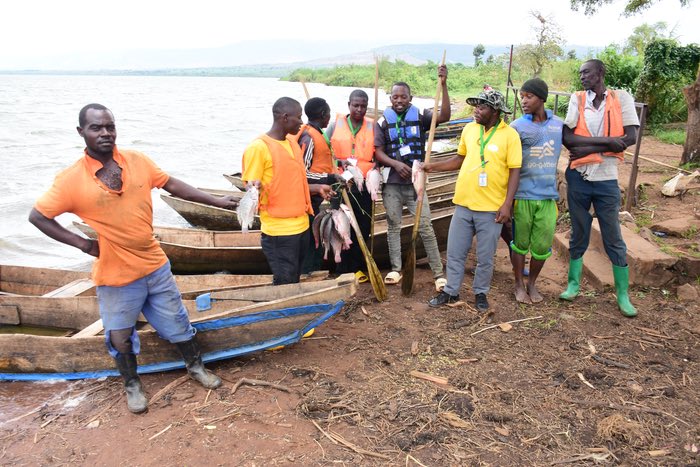
This realization gave rise to fishing associations, which later united to form Cooperative y’Abarobyi Dusabane Nasho (COADUNA). The cooperative took shape in 2007 and was officially registered two years later.
Today, COADUNA operates across three major water bodies—Nasho, Chambwe, and Rwampanga—located in Nasho and Mpanga sectors of Kirehe District in Rwanda’s Eastern Province.
Professionalizing a Traditional Practice
COADUNA brings together 255 members and is entrusted with managing fishing activities in the area. Beyond harvesting fish, the cooperative plays a critical role in safeguarding water bodies by preventing illegal fishing practices. To complement natural fishing, COADUNA also owns fish ponds, helping stabilize supply and productivity.
According to Christian Bizimungu, President of COADUNA, working collectively has been transformative. “The cooperative has empowered us,” he says. “Fishing is no longer a survival activity; it is a profession that allows members to earn a decent living and employ others.”

Christian Bizimungu, President of COADUNA
From modest beginnings of less than five tonnes of fish per month, COADUNA has grown its production to more than 12 tonnes. This growth has translated into jobs for local youth and strengthened economic activity across the area. The cooperative plans to further expand by establishing additional ponds, acquiring modern fishing equipment, and investing in improved storage facilities.
Interestingly, individuals found engaging in illegal fishing are not simply penalized. Instead, COADUNA works with them through sensitization on sustainable practices and, in many cases, integrates them into the cooperative as members or employees.
Changing Lives and Building Resilience
COADUNA has invested heavily in building the capacity of its members. Training, savings schemes, and cooperative management have enabled members to meet basic household needs and diversify into other income-generating activities.
“Fishing together as a cooperative has changed my life,” says Jean Bosco Nzungize, a member of COADUNA. “I started a family, bought land, and built a house.” Jean Bosco notes that while productivity has improved, access to improved fish fingerlings would further boost output, calling for greater government support.
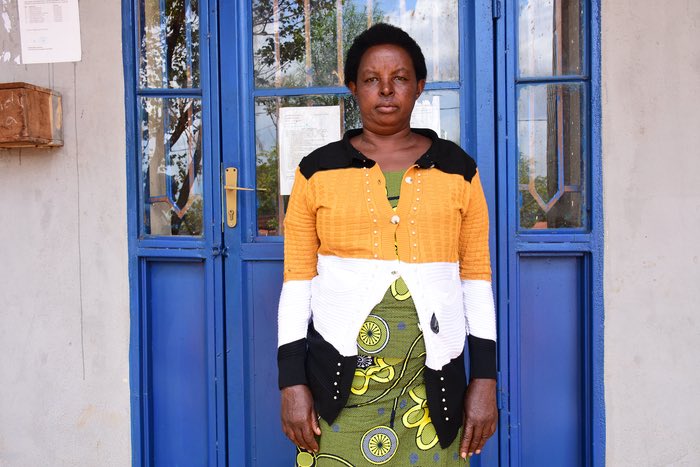
Epiphanie Mukarubuga, a cooperative member
Women’s participation stands out as one of COADUNA’s most notable achievements. Epiphanie Mukarubuga, a cooperative member, describes fishing as the backbone of her family’s livelihood. Traditionally, fishing was male-dominated, but her involvement reflects broader social change.
“To have women in a fishing cooperative shows how far women’s liberation in Rwanda has gone,” Mukarubuga says. She learned to swim, trained in fishing alongside ten other women, and participated in a study tour to Lake Kivu in Gisenyi. Today, she fishes independently and confidently.
Fishing now provides for all her family’s needs. She has educated her children, and improved her home. “My children will never go hungry, lack school fees or health insurance,” she says. Catching between six and eight kilograms of fish daily, she earns enough income while also ensuring nutritious food for her household.
A Growing Economic Force
For members, the rewards are tangible. Jean Bosco Nzungize, who recently caught 47 kilograms of fish in a single day, says fishing has become his sole occupation. The income has enabled him to educate his children and plan to purchase a motorcycle to improve transport and efficiency.
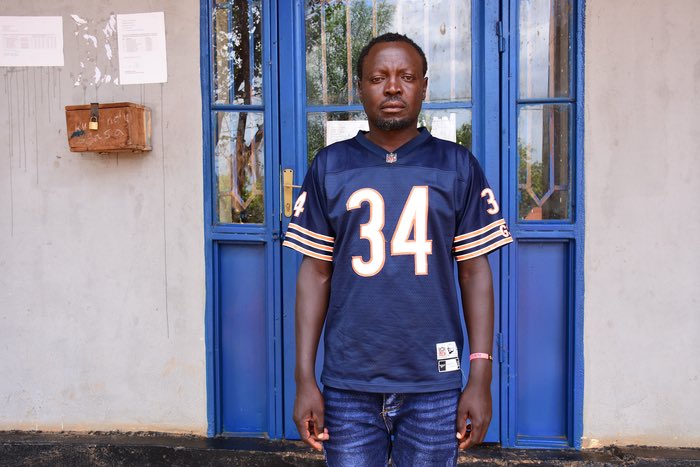
Jean Bosco Nzungize, a member and cooperative’s advisor
COADUNA is able to sell all its production where a significant share is exported to neighboring Democratic Republic of Congo, as the main species caught—locally known as mamba—is less popular in the local market, which favors tilapia. Other species, including sardines, are also harvested.
Through sustained sensitization, local consumption has increased, with at least 5.5 tonnes now sold within surrounding communities.
The cooperative’s investments have helped attract buyers and raise fish prices, benefiting fishermen across Kirehe District. As a result, livelihoods have improved markedly. Members are building homes, paying health insurance and Ejo Heza pension contributions while gaining social respect.
“Our biggest challenge is that we still don’t meet market demand,” says Nzungize, a member and cooperative’s advisor. “Everything we produce is sold, which means we must do better.”
Infrastructure, Social Impact, and Community Support
With support from the district which mobilized partners, they constructed collection and storage facilities at four landing sites for the cooperative. The cooperative also received two fishing engines, improved fingerlings, and training for members.
On its part, COADUNA purchased land and built its own offices, employing 19 staff members. Part of the building is rented out, providing an additional revenue stream.
A local fish shop established by the cooperative also ensures that residents can buy fish at any time. Beyond business, COADUNA’s presence has boosted trade and welfare in Nasho and surrounding areas. Malnutrition has declined, supported by increased fish consumption and targeted feeding programs for vulnerable children.
As part of its social responsibility, the cooperative periodically supports community members by paying health insurance, helping repair homes, and assisting the most vulnerable with nutrition.
Persistent Challenges and the Road Ahead
Despite its progress, COADUNA continues to face challenges. Storage facilities remain limited, with only refrigerators and a few coolers available. Fishing is still largely done using traditional methods, constraining productivity. The cooperative aspires to establish a processing factory, which would require modern fishing, drying, and processing equipment.

Committee members of the cooperative
Natural risks also persist. Crocodiles and hippopotamuses in the water bodies pose dangers to fishermen, yet these animals fall under the mandate of other institutions, limiting the cooperative’s ability to address the threat. Seasonal flooding from the Akagera River sometimes brings muddy water that disrupts fish habitats and reduces catch levels.
Access to fishing gear is another constraint. Equipment sourced from neighboring countries has become prohibitively expensive due to taxes. Bizimungu calls on institutions such as the Rwanda Agriculture and Animal Resources Development Board (RAB) and the Ministry of Agriculture to support the cooperative in addressing these challenges. He also urges continued public sensitization on the nutritional benefits of all fish species.
Looking ahead, COADUNA envisions becoming a broader engine of development for Kirehe District—strengthening fishing, improving nutrition, and eventually promoting tourism linked to the area’s water bodies. What began as subsistence fishing has evolved into a cooperative model that is reshaping livelihoods, dignity, and opportunity in eastern Rwanda.