Rwandan officials, musicians and the country’s football federation have paid tribute to veteran singer Suzanne Nyiranyamibwa, remembering her for music that preserved traditional culture and gave voice to the grief caused by the 1994 Genocide against the Tutsi.
Nyiranyamibwa died on Friday, October 16, 2026, aged 83. Her family announced her death and said details of the funeral arrangements would be communicated later. Local media reported that she died following an illness.
Minister of National Unity and Civic Engagement Jean-Damascène Bizimana described Nyiranyamibwa as a mother, sister and friend to many, recalling how her performances helped comfort people mourning victims of the Genocide against the Tutsi.
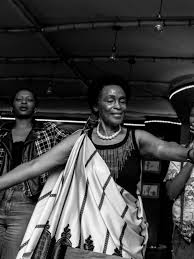
In a message shared on X, Bizimana remembered her singing during the 100 days of commemoration, offering comfort to survivors and honouring those killed because of their identity.
One of her best-known songs, “Ese Mbaze Nde?”, reflects the pain and unanswered questions left by the Genocide. The song became part of her contribution to keeping the memory of the tragedy alive through music.
Singer Massamba Intore also mourned her, describing her as a talented artist and a caring parent figure.
“We have lost a composer of genuine artistry,” he said.
The Rwanda Football Federation (FERWAFA) paid tribute to Nyiranyamibwa for her love of football and her song “Ayo ni Amavubi”, dedicated to the national team.
“Madame Nyiranyamibwa, we will always remember your love for football, especially the Amavubi. Rest in peace,” the federation said.
Singer Senderi International Hit recalled their conversations, saying Nyiranyamibwa often reminded him of his song “Ntawabisenya ndeba”, which calls on people to protect what has been achieved.
Rusagara Rodrigue, head of Itorero Inyamibwa, described her as a gifted musician whose talent deserved to be taught in cultural schools.
Other artists, including Audia Intore, Nyirinkindi and Mwafurika Charles, also shared messages of condolence. Several remembered Nyiranyamibwa as a mother figure who had supported and inspired younger musicians.
Nyiranyamibwa was among the founders of Itorero Isamaza, a cultural troupe whose traditional performances supported Rwanda’s liberation struggle. Her repertoire included “Telefone ko ititaba”, “Nimuberwe bakobwa” and “Ese Mbaze Nde?”
She left Rwanda in 1973 amid persecution against Tutsi, first moving to what is now the Democratic Republic of Congo before later settling in Belgium. After spending decades abroad, she returned to Rwanda in 2016.
Born in 1943, Nyiranyamibwa had four children. Her music connected traditional performance with the country’s history, from songs celebrating Rwandan culture to those remembering the victims of the Genocide against the Tutsi.