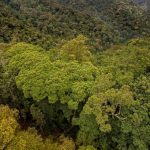
As you leave Kigali after Kabuga towards Rugende, a hill overlooking the wetland comes alive with trees. Rows of tree species selected for their friendliness to bees form a living demonstration farm. Tucked among the greenery are offices of the Association Rwandaise pour la promotion du Développement Intégré (ARDI), barely visible from the road. The setting reflects the organisation’s philosophy: helping farmers build livelihoods by working with nature rather than against it.
Established in 1982, ARDI is an organisation that supports grassroots initiatives and has since helped communities develop sustainable sources of income. One of its earliest areas of focus was beekeeping, particularly in southern Rwanda, where many households faced food insecurity.
“We wanted farmers to benefit from areas that could not easily be cultivated,” says ARDI Executive Secretary Patrice Musabimana. “If a farmer planted trees, they could wait years before getting any income. Beekeeping gave them a way to earn from those trees while also protecting them.”
ARDI began providing beekeepers with training and equipment, helping farmers turn honey production into a viable livelihood. But the organisation soon realised that producing honey was only part of the challenge. Farmers also needed reliable markets and better prices.
That led ARDI to establish a complementary business structure that could collect, process and market honey. In 2010, it registered API Business Development Company Ltd (ABDC), a company involved in adding value to and selling honey.
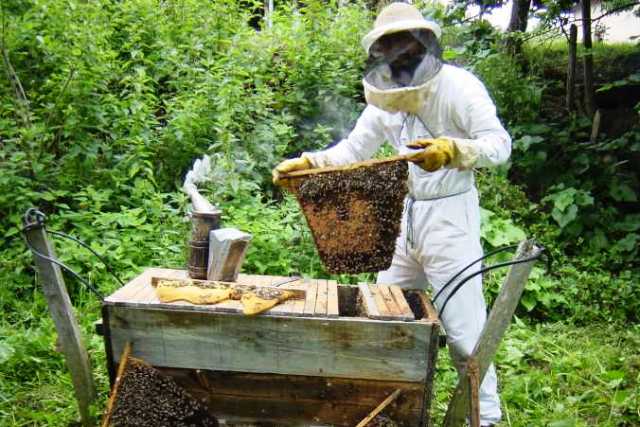
According to Gilbert Kabayiza, the Manager of ABDC, the company works directly with cooperatives. It agrees on contracts at prices based on prevailing market conditions. Once a contract is signed, farmers receive an advance payment and the equipment needed to produce quality honey.
After harvesting, the honey is collected and transported to ABDC laboratories, where it is tested to ensure it meets quality standards. It is then processed and packaged before reaching consumers.
The approach has helped transform the value of honey. Musabimana says the average price per kilogramme has risen from around Rwf1,000 to about Rwf5,000, creating significantly greater income opportunities for beekeepers.
For some farmers, the change has gone beyond additional household income. Improved earnings have enabled beneficiaries to invest in homes, vehicles and other assets, giving families a greater sense of economic security.
Modern Hives, Higher Yields
For 70-year-old Paul Nsabimana, beekeeping has been a lifelong activity, but it was ARDI’s support that helped him turn traditional beekeeping into a more productive livelihood. A member of COOPAN Cooperative in Ryamulindwa, Nkungu Sector, Rusizi District, Nsabimana began adopting modern beekeeping practices in 2007 after receiving training, equipment and opportunities to participate in study tours, including a visit to Tanzania.
Working near Cyamudongo Forest, he now harvests more than 600 kilogrammes of honey annually. This income, has helped him build his home and meet his family’s basic needs.
In Huye District, Patrick Uwingabire, 40, has witnessed a similar transformation. President of KOPABUHU Cooperative in Kigarama Village, Nyakagezi, Huye Sector, Uwingabire inherited traditional beekeeping from his grandfather and later joined other young people to develop the activity.
Before ARDI’s intervention, production was low and honey fetched little value. ARDI provided training, beehives and equipment, while its field staff regularly followed up with the cooperative. “We used to harvest only two or three kilogrammes,” Uwingabire recalls. With modern hives and improved practices, production rose to as much as 30 kilogrammes per hive.
The transformation has extended beyond honey production. Uwingabire says those who entered beekeeping as youth have since bought land and built houses. He himself has expanded his landholding near a road with electricity, where he grows bananas that generate about Rwf3 million a year. His honey production has also grown from 60 kilogrammes annually to around one tonne.
For both Nsabimana and Uwingabire, the success of beekeeping has been significant enough to inspire some of their children to follow in their footsteps.
Today, ARDI is working with 37 cooperatives representing about 2,420 farmers. Its support goes beyond beekeeping equipment, covering training, cooperative management and technical assistance.
The programme has also created opportunities for other members of the community. Young people are involved in carpentry, producing more affordable modern beehives, while women participate in tailoring protective clothing for beekeepers. Others produce skin oils from hive products, helping communities capture value from different parts of the apiculture chain.
ARDI’s work is built around four broad areas: apiculture; food security and green development; environmental protection; and strengthening cooperatives and other partners.
Yet the organisation says the sector faces growing challenges. Pressure on forests can lead to the cutting of young trees, reducing the food sources available to bees. The excessive use of chemical pesticides is another concern, as these can kill bees and affect honey production.
Musabimana believes farmers can play an important role in reversing these challenges. Encouraging wider adoption of beekeeping because bees contribute to pollination and can improve agricultural productivity. He also advocates for greater use of plant-based pesticides and awareness of good practices favorable to bees.
For ARDI, the future of apiculture lies not only in producing more honey but in making greater use of the many products that bees and their hives can provide. Farmers already produce honey, candles and skin oils, while other potentially valuable products such as bee pollen, bee venom, propolis and royal jelly remain largely undeveloped.
ARDI is gradually exploring projects to develop these products and create additional income streams for farmers.
ABDC’s main market remains Rwanda, although its products have also reached international markets in Europe, the Middle East and Africa. With better processing, quality control and market access, ARDI believes Rwanda’s beekeeping sector can continue moving from a traditional rural activity into a more valuable agricultural enterprise.
From the tree-covered hill overlooking Rugende wetland to cooperatives across the country, ARDI’s experience demonstrates how supporting farmers with knowledge, equipment and markets can unlock value from resources that might otherwise remain underused.
For thousands of farmers, the humble bee is proving to be more than a source of honey. It is becoming a pathway to stronger livelihoods, healthier ecosystems and a more productive agricultural future.