The Second Africa Climate Summit (ACS2) opened this Monday, 8 September 2025 in Addis Ababa with African leaders urging deeper collaboration, bold action, and targeted investment to accelerate climate solutions across the continent.
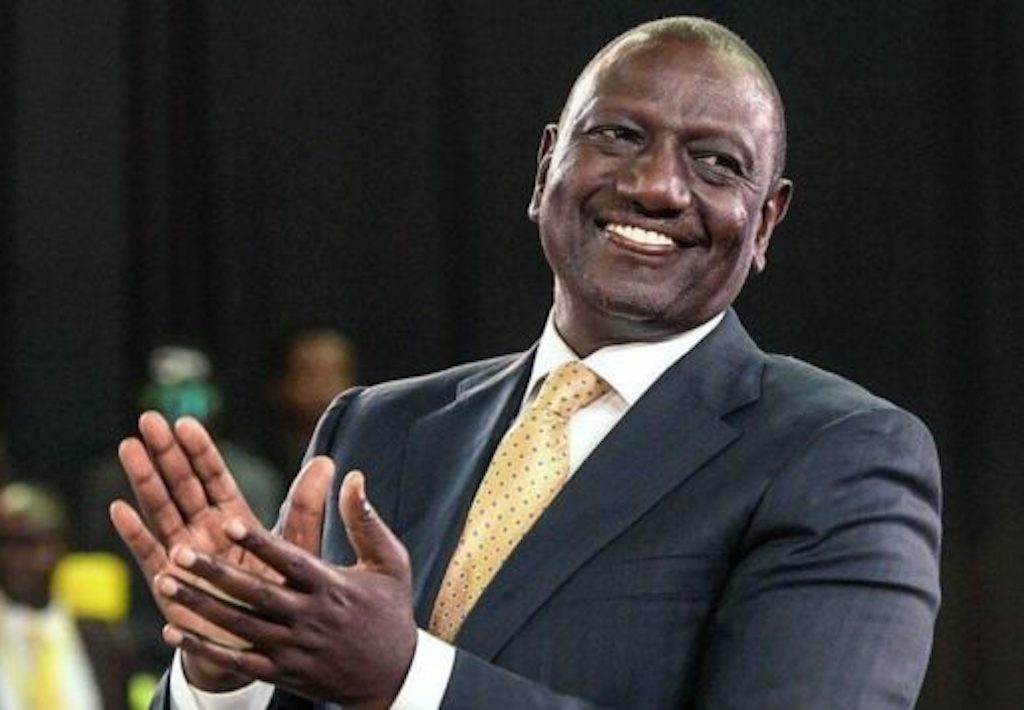
In his opening remarks, Kenyan President William Ruto, host of the inaugural Africa Climate Summit, warned against isolated approaches to the climate crisis. He emphasized the urgent need for sustained regional and global collaboration to tackle escalating climate challenges.
Ethiopian Prime Minister Abiy Ahmed, host of this year’s summit, highlighted Africa’s potential to lead climate solutions. He proposed the launch of an African Climate Innovation Compact, bringing together universities, startups, rural communities, and innovators to deliver 1,000 African climate solutions by 2030 across sectors such as energy, agriculture, transport, and resilience.
Prime Minister Abiy also called for a shift in how Africa is perceived globally, urging international partners to replace climate aid with climate investment in African-led solutions.
The summit sets the stage for critical discussions on climate finance, implementation strategies, and Africa’s role in shaping global solutions. Leaders stressed linking climate action to debt reform, fiscal space, nature restoration, and industrial transformation, ensuring that Africa receives fair value for its resources while securing a resilient future.
A key topic at the summit is the proposed Fossil Fuel Treaty, aimed at promoting a fair, financed transition from fossil fuels. The treaty seeks global collaboration through debt alleviation, increased investment in renewable energy, and alternatives for fossil fuel-dependent nations, reinforcing the Paris Agreement’s 1.5°C climate target.
Seble Samuel, Head of Africa Campaigns & Advocacy for the Fossil Fuel Non-Proliferation Treaty Initiative, highlighted Africa’s untapped potential.
“There is no shortage of solutions to the climate crisis on the African continent. We have an abundance of renewable energy potential to power our communities, drive development, and protect our ecosystems. Yet systemic barriers hinder progress. The proposed Fossil Fuel Treaty can build meaningful, just international cooperation, enabling a fair transition to renewable energy while scaling African innovation,” Samuel said.
The treaty proposal is anchored on three pillars: a global just transition from fossil fuels, where wealthy nations provide technical support and finance to developing countries for renewable energy expansion; a fair phase-out, requiring wealthy nations to reduce existing fossil fuel extraction first while supporting dependent developing nations; and ending the expansion of new fossil fuel projects globally.
As the summit continues, African leaders and international partners are expected to further discuss strategies to finance, implement, and scale solutions that put Africa at the center of the global climate agenda.