Rwanda’s agricultural insurance programme has paid out more than Rwf11.6 billion to farmers and livestock keepers since 2019, as the government seeks to protect agricultural investments and strengthen the sector’s resilience to production risks.
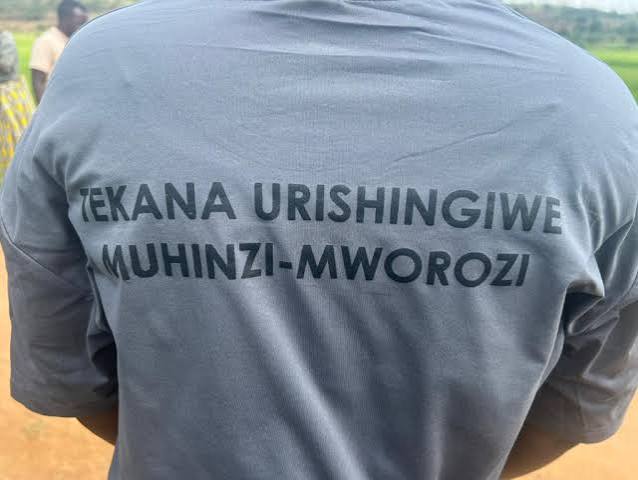
The compensation under the Tekana Urishingiwe Muhinzi Mworozi programme includes more than Rwf6.7 billion paid to crop farmers and over Rwf4.9 billion to livestock keepers.
The Ministry of Agriculture and Animal Resources released the figures on November 17, 2026, during a payment exercise in which BK General Insurance, working with the Rwanda Agriculture and Animal Resources Development Board (RAB), disbursed Rwf204 million to beneficiaries in Rwamagana District.
Joseph Museruka, the ministry official responsible for crop and livestock insurance, said the programme had helped farmers recover from losses that could otherwise have wiped out their agricultural investments.
The government pays 40 per cent of insurance premiums, while farmers and livestock keepers contribute the remaining 60 per cent.
Museruka said the broader objective was to make insurance a tool for improving agricultural businesses and enabling farmers to access financing, rather than simply compensating them after losses.
“The government wants insurance not only to compensate you for losses, but also to contribute to your development. We want to see you accessing loans, modernising your farming activities and undertaking other investments that help improve your businesses,” he said.
The programme’s importance is particularly evident among farmers exposed to climate-related risks. Donatha Karikwera, who heads a rice farmers’ cooperative in Kirehe District, said members previously struggled to resume production after disasters damaged their crops.
In the livestock sector, poultry farmer Marie Uwotwambaza, who keeps more than 4,000 chickens in Rwamagana, said she joined the scheme after losing 380 birds in 2020, leaving her with only 100.
The latest compensation exercise was accompanied by a cattle vaccination campaign targeting insured animals, as authorities seek to reduce preventable livestock losses and protect farmers’ investments.
Since its launch, the programme has attracted 266,402 farmers and livestock keepers annually, with more than Rwf22 billion spent on insurance premiums.
It operates across Rwanda’s 30 districts and covers several crops and livestock activities, including rice, maize, potatoes, cassava, soybeans, beans, cattle, pigs, poultry and fish farming.