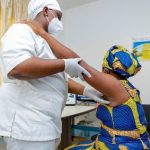
Rwanda has expanded its free human papillomavirus (HPV) vaccination programme to eligible women and girls aged 30 to 45, widening access to cervical cancer prevention as the country pursues its target of eliminating the disease as a public health problem by 2027.
The programme began on Monday, November 16, with eligible recipients able to receive the vaccine at health centres across the country, according to an announcement by the Ministry of Health and the Rwanda Biomedical Centre (RBC).
Beneficiaries will receive two doses, with the second administered six months after the first. Those seeking vaccination must present a national identity card or another recognised document to confirm their age.
The expanded programme complements Rwanda’s existing routine HPV vaccination campaign for 12-year-old girls and its cervical cancer screening and treatment services.
The move extends access to women who are older than the age group covered by the routine childhood vaccination programme. HPV vaccination is intended to prevent infection with virus types responsible for most cervical cancer cases, although it does not treat existing infections or cancer.
Rwanda has maintained HPV vaccination coverage of more than 90 per cent among girls, but reaching adult women with screening services remains a major challenge.
RBC reported in February 2026 that 31 per cent of women aged 30 to 49 had been screened using high-performance tests, identifying screening coverage as the most urgent gap in the country’s cervical cancer elimination efforts. More than 80 per cent of women diagnosed with precancerous lesions or invasive cervical cancer were receiving appropriate treatment, according to the agency.
Under its Accelerated Plan for the Elimination of Cervical Cancer, known as Mission 2027, Rwanda aims to screen 70 per cent of women aged 30 to 49 using high-performance tests and ensure that 90 per cent of women diagnosed with precancerous lesions or invasive cancer receive timely treatment.
The strategy builds on the World Health Organization’s global 90–70–90 targets, which call for 90 per cent of girls to be fully vaccinated against HPV by age 15, 70 per cent of women to be screened by age 35 and again by 45, and 90 per cent of women identified with cervical disease to receive appropriate treatment.
Rwanda is seeking to achieve its national targets three years ahead of the WHO’s 2030 global elimination goal.
Cervical cancer remains a major cause of cancer-related deaths among women in Rwanda. The country’s national screening guidelines cite estimates of 866 new cases and 609 deaths in 2022, making the disease the second most common cancer among Rwandan women and the leading cause of cancer mortality among them.
Rwanda began its national HPV vaccination programme in 2011, becoming the first African country to introduce a nationwide campaign against the virus. It introduced Mission 2027 in 2025 to accelerate vaccination, screening and treatment.
The expanded vaccination service adds another preventive measure to that effort, while the government’s ability to increase screening and ensure timely treatment will remain central to meeting its 2027 target.