Governments across Africa need to mobilise more private investment and make energy projects easier to finance if they are to extend electricity access to millions of people still living without power, officials said at an international energy forum in Kigali.
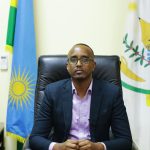
Zingiro Armand, State Minister in Ministry of Infrastructure, said on October 27 that governments must move beyond electrification targets and deliver reliable electricity that improves livelihoods and supports economic activity.
About 600 million people worldwide still lack access to electricity, most of them in sub-Saharan Africa, he said while opening the Global Off-Grid Solar Forum & Expo 2026, which runs in Kigali until October 29.
“We must go beyond commitments and turn them into reliable electricity services, economic opportunities and tangible improvements in people’s lives,” Zingiro said.
He called on governments to develop projects that can attract private investors, improve access to credit, establish mechanisms for sharing investment risks and maintain predictable policies.
Public funds, he said, should be used strategically to encourage private investment while ensuring that communities without electricity are not left behind.
Off-grid solar is one option for reaching households and businesses beyond the national electricity grid. Zingiro said the technology could also support economic activities, including solar-powered irrigation, cold storage and food processing, helping farmers raise production and reduce post-harvest losses.
He said Rwanda was combining grid expansion with off-grid solar and other renewable energy sources as it works towards providing electricity access to every citizen by 2029.

Ministry of Infrastructure figures show that 84.6 per cent of households had access to electricity by the end of July 2025. Of these, 59.6 per cent were connected to the national grid, while 25 per cent relied on off-grid sources, mainly solar.
Zingiro stressed that access alone was not enough, saying electricity must also be affordable and reliable and help create jobs and productive opportunities.
Dr Daniel Alexander Schroth, head of the African Development Bank’s renewable energy division, said the bank would continue supporting energy projects through financial instruments designed to reduce investment risks, expand lending in local currencies and encourage commercial banks to participate.
The bank would also provide technical assistance and help countries strengthen institutions responsible for implementing energy agreements, he said.
The forum, organised by the African Development Bank and GOGLA, brings together government representatives from 24 African countries, four regional organisations, investors, financial institutions and energy-sector businesses. The gathering aims to promote cooperation and identify practical ways to accelerate electricity access.