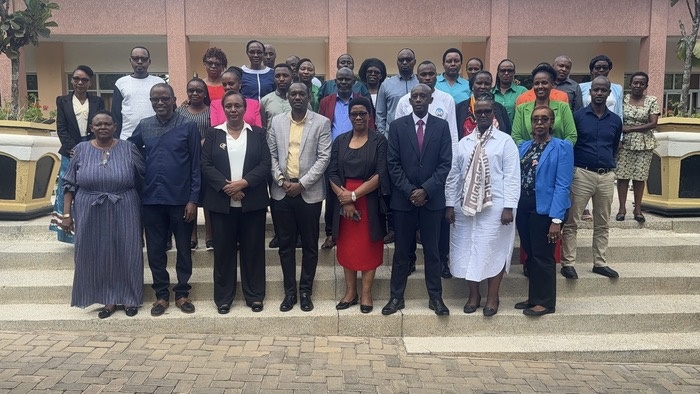
Rwanda’s National Commission for Human Rights (NCHR) has urged election observers to understand and respect electoral laws ahead of local government elections, while the National Electoral Commission (NEC) has warned them against interfering in the voting process.
The guidance was given during a training session on Monday, October 19, attended by civil society organisations, election-monitoring groups and other stakeholders involved in observing the elections.
Marie Christine Umubyeyi, director of the Legislation, Human Rights Protection and Monitoring Unit at the NCHR, said observers should be able to carry out their duties freely while respecting the law and the rights of others.
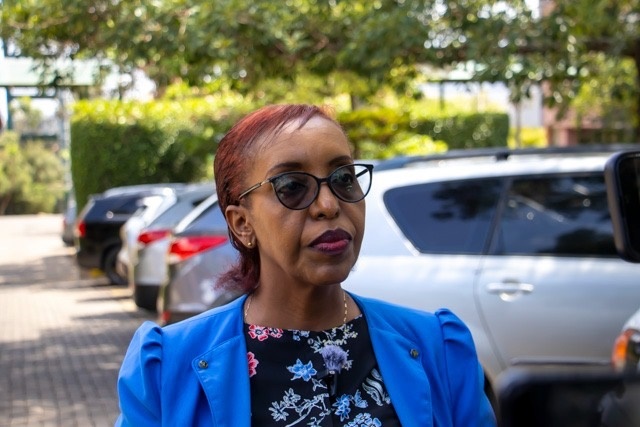
She said observers should receive accreditation and the necessary materials in time to monitor the elections effectively.
Their responsibilities include assessing whether the rights of candidates and voters are respected and whether complaints and appeals are handled in accordance with the law.
“People should understand the laws governing elections. Civil society organisations and the NCHR must know the laws that regulate their work to help ensure that elections proceed well,” Umubyeyi said.
She added that observers representing candidates should be able to perform their duties safely. They should also follow up on complaints to establish whether they had been reviewed and what decisions were taken.
Fortunée Nyiramadirida, a commissioner at the NEC, said observers play an important role in assessing the conduct of elections but must work within the limits of their mandate.
She said their reports help the commission identify problems and improve the conduct of future elections. Observers should document irregularities and other concerns rather than intervene in the electoral process.
“Observers should avoid providing inaccurate information. They should document anything they see going wrong in their reports, while refraining from interfering in the elections,” Nyiramadirida said.
Silas Nkusi, who heads a civil society organisation working on good governance in Africa, welcomed the NEC’s decision to allow his organisation to monitor elections nationwide rather than restrict it to one district.
He said the organisation would pay particular attention to whether citizens’ rights are respected, including those of persons with disabilities and others who may face barriers to participating in elections.
The local government elections will begin with village-level polls on October 24, followed by cell-level elections on October 31 and sector-level elections on November 7. Elections at district and national council levels will follow, with the process scheduled to conclude by December 15.