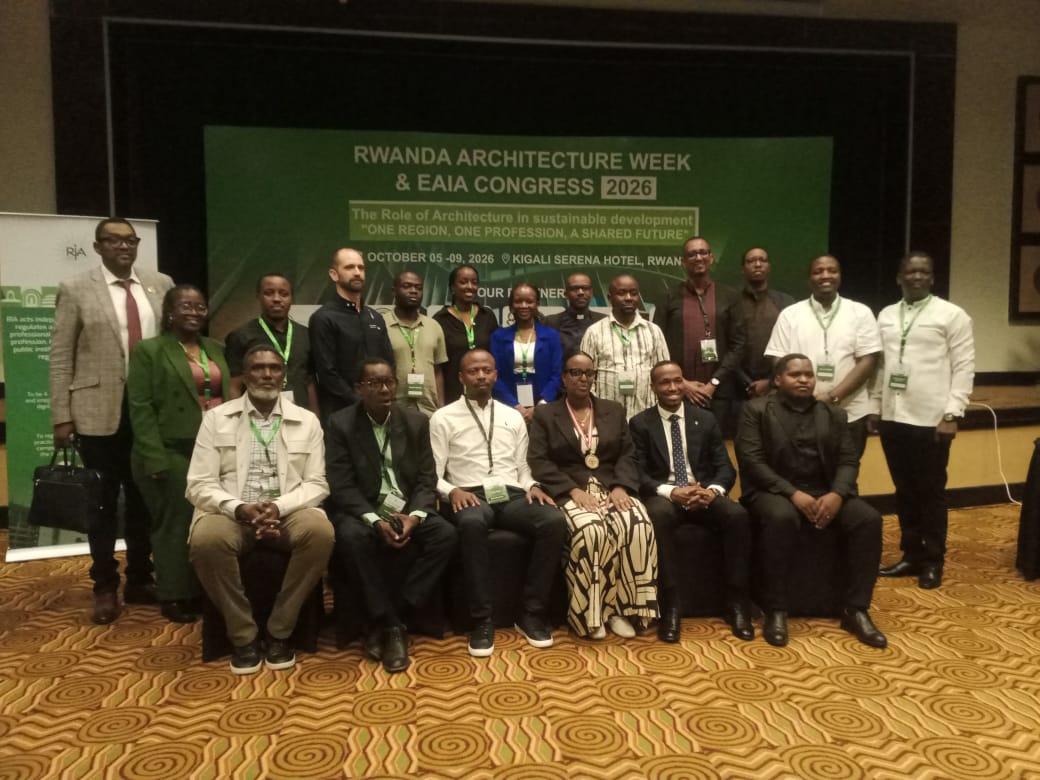
The Rwanda Institute of Architects (RIA) is pushing for faster building permit processing and closer coordination with planning authorities as the City of Kigali seeks to reduce approval times from 21 days to between seven and 14 days.
The proposed changes address concerns raised by architects about delays in obtaining permits and receiving feedback on applications, which can slow construction projects and complicate professional work.
Gloria Luce Nishimwe, chairperson of RIA’s Governing Council, said discussions with the City of Kigali and the National Land Authority (NLA) provided an opportunity for architects to raise challenges, make recommendations and explore ways to advance the profession.
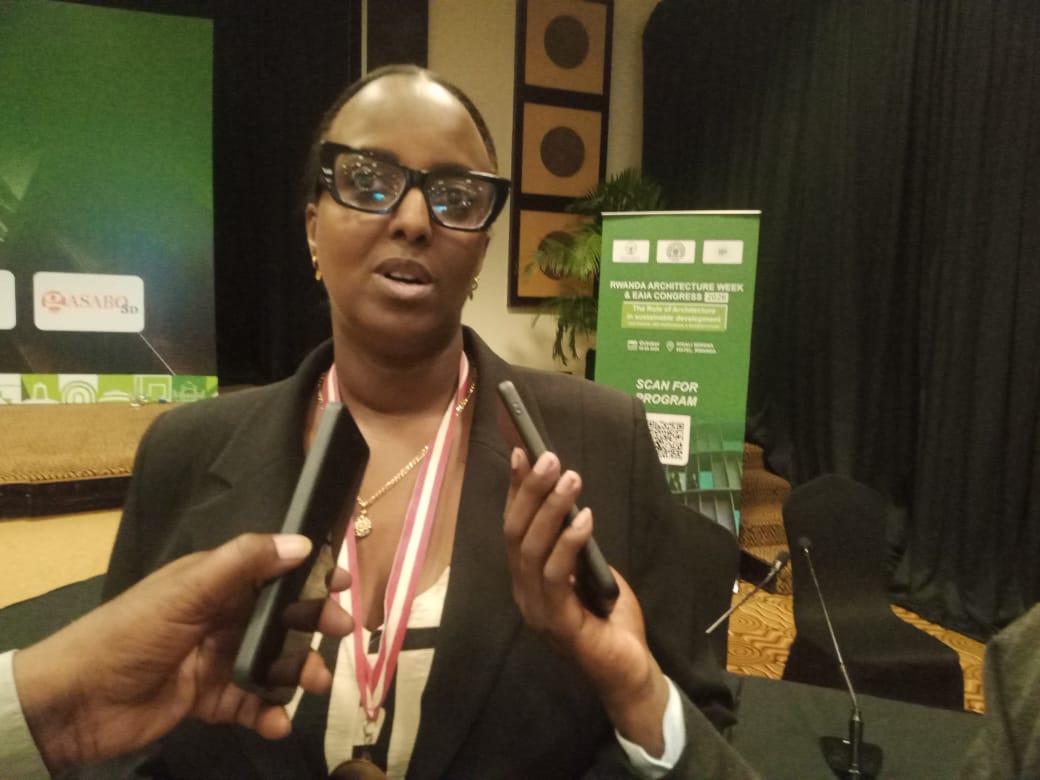
Gloria Luce Nishimwe, chairperson of RIA’s Governing Council
“Discussions like these are intended to examine the role of architects in the country’s sustainable development,” Nishimwe said.
She said shorter permit processing times and timely feedback would help architects work more efficiently, adding that engagement on professional development would continue.
The discussions also addressed land-use planning, including the need to identify areas where development should not take place and restrict investment in projects that may not be permitted under final plans. Better coordination between planning authorities and architects would help developers understand requirements before committing resources.
Fulgence Dusabimana, Kigali’s vice mayor in charge of infrastructure and urban development, said the city had made progress in improving the permitting process but acknowledged that further changes were needed.
“Our target is to reduce the time from 21 days to between seven and 14 days,” he said.
Under the proposed targets presented by city officials, permits would be processed within 10 to 14 days, while responses to applications requiring corrections would take seven to 10 days. Processing can take up to 30 days in other parts of Rwanda, according to the officials.
Dusabimana attributed some delays to limited staffing for checking applications against requirements applicable to different locations. The city is considering support from companies able to employ architects to assist with those checks and has begun using artificial intelligence for some services previously handled manually.
Clearer communication of planning requirements and more timely feedback could help applicants address shortcomings earlier and reduce avoidable delays during the approval process.
The discussions formed part of Rwanda Architecture Week and the East African Institute of Architects (EAIA) Congress, held in Kigali from October 5 to 9 under the theme “The Role of Architecture in Sustainable Development: One Region, One Mission, a Shared Future.”
The Congress also marked Rwanda’s assumption of the EAIA leadership and secretariat from Tanzania for a one-year term, with RIA taking on responsibility for coordinating the regional institution. The transition gives Rwanda a greater role in promoting cooperation among architects across East Africa, including discussions on common professional standards and cross-border practice.
Solange Muhirwa, a City of Kigali urban planning official, called for harmonised professional standards to make it easier for architects to work across the region.
“We want a registered architect to be able to work in Kampala, Kigali, Nairobi, Dar es Salaam or Juba without obstacles,” she said, arguing that aligned registration requirements could widen opportunities for qualified professionals.
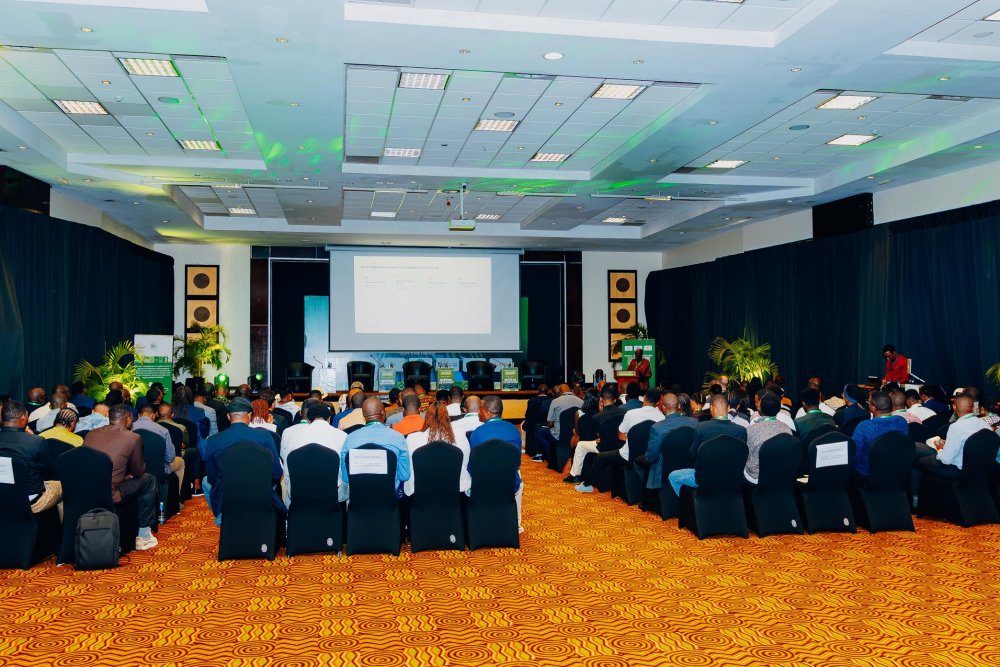
RIA Secretary-General Nicolas Kalimba Rugamba said architects should be involved throughout construction projects, from the initial client brief and design to completion. Overlooking their contribution, he said, could lead to delays or buildings with inadequate natural light, ventilation or layouts suited to occupants’ needs.
Established in 2012, RIA registers and licenses architectural professionals, sets professional standards and advises public and private institutions on architecture-related matters. The institute says it has more than 200 members.