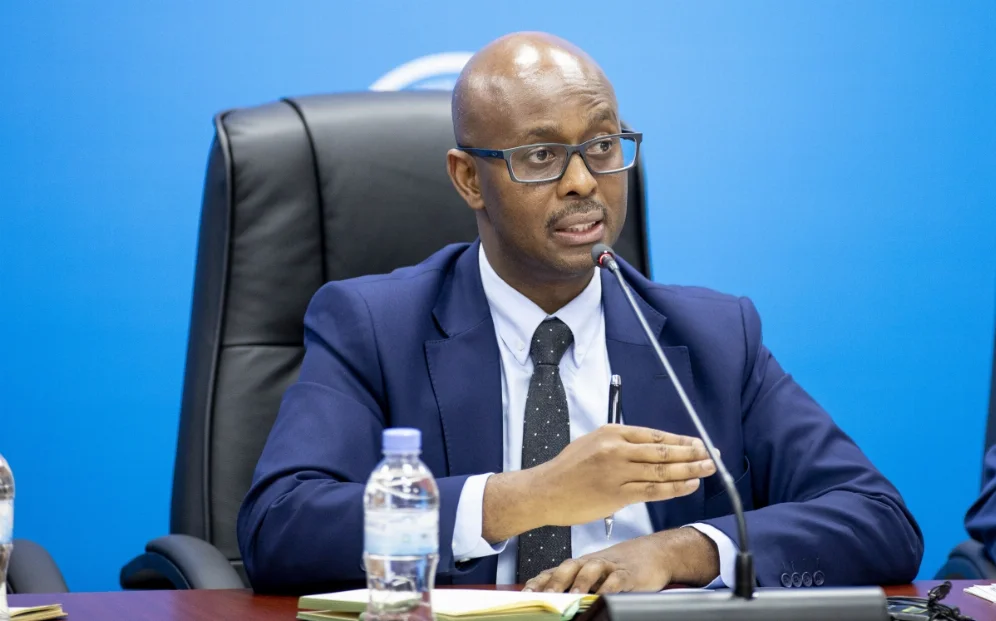
Rwanda is seeking to balance continued investment in development with tighter control of public spending as it manages debt repayments, Finance Minister Yusuf Murangwa has said, adding that borrowing alone will not automatically trigger higher taxes.
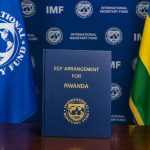
The government is preparing to receive about $35.7 million from the International Monetary Fund in December, subject to approval by the IMF Executive Board, after the two sides reached a staff-level agreement on the first review of a 38-month financing programme on Oct. 6.
The programme, approved in June, provides for total financing of $250 million. The first review found that Rwanda had met all measurable targets set for the end of June 2026, according to the government and the IMF.
Murangwa said the government’s borrowing strategy centres on selecting loans with manageable terms and investing the proceeds in sectors expected to strengthen economic productivity and help generate the resources needed for repayment.
He said roughly 90% of the loans the government takes are concessional, typically carrying lower interest rates and longer repayment periods. Semi-concessional loans account for about 10%, while the government seeks to avoid more expensive borrowing.
Education and healthcare are among the sectors he identified as long-term investments because they can improve people’s skills, productivity and ability to participate in the economy.
For projects expected to produce returns more quickly, such as an airport, Murangwa said semi-concessional financing could be appropriate if the economic benefits outweigh the cost of borrowing.
On taxation, he said the government does not plan to raise taxes simply because it has borrowed money or entered an IMF programme.
“We only introduce taxes when we see that they are necessary and that there are programmes in which we need to invest,” he said.
Murangwa added that government considers the effect of tax measures on taxpayers and has a tax policy framework extending to around 2030, which can be reviewed as economic conditions change.
At the same time, Rwanda is pursuing fiscal consolidation, a process aimed at controlling public expenditure and narrowing the gap between government revenue and spending.
Murangwa acknowledged that reducing expenditure can conflict with the goal of maintaining investment in infrastructure and other development projects. He said the government’s task was to manage the competing priorities while continuing to pursue the objectives of the second National Strategy for Transformation, known as NST2.
Some projects may be slowed or accelerated depending on economic conditions and available financing, he said, while the government seeks to maintain development spending without taking on debt beyond its repayment capacity.