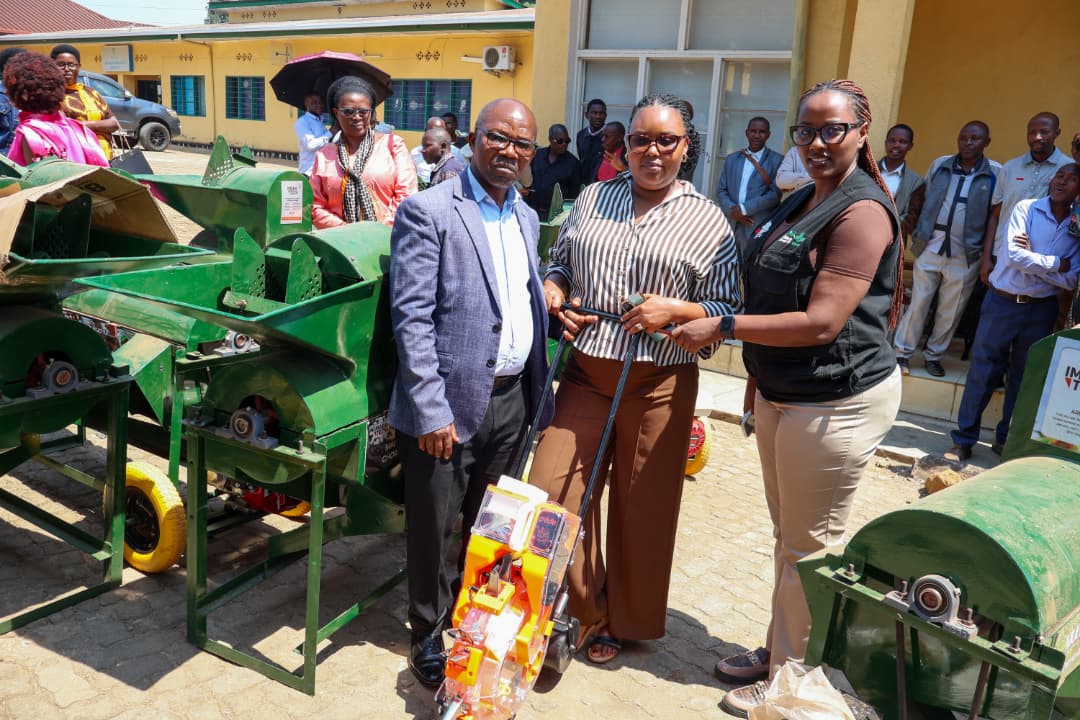
Schools in Nyamasheke District received 45 pieces of agricultural equipment to increase food production for school meals, as a project promoting high-iron beans and improved farming practices expands its support to schools in Western Rwanda.
The equipment, comprising 30 seed planters and 15 multi-crop threshers, were handed over on Wednesday, Aug. 12, through the Scaling Sustainable School Feeding Innovations (3SFI) project, Implemented by the Alliance of Bioversity International & CIAT’s Pan African Bean Reaserch Alliance (PABRA) program in collaboration with RAB and Supported by Swiss Agency for Development.
The machines are expected to reduce the time and labour required for planting and threshing and help schools make better use of available farmland.
The initiative is part of wider efforts to link school feeding with agricultural production, nutrition education and improved post-harvest practices. Started in November 2025, 3SFI is being implemented in 507 schools in Nyamasheke, Rusizi and Karongi districts and reaches more than 445,000 students.
The project promotes high-iron beans and vegetables, while providing schools and surrounding communities with training in agronomy, nutrition and post-harvest management. Demonstration plots are also used to give students, teachers and farmers practical experience with improved farming methods.
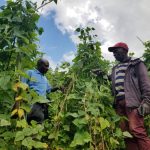
The handover comes as schools report varying results from their first experience growing improved beans, highlighting both the programme’s potential and the challenges of producing food under limited land, irregular rainfall, and inadequate water.
For Ndashimye Leonce, a staff member at EAV Ntendezi School, the school received 50 kilograms of bean seed and harvested 807 kilograms of beans.
He said the harvest could have been higher because the school planted late and faced other challenges during the season.
“As an agricultural school, and given that we have an agronomist, we expect to do much better in the next season,” Ndashimye said.
According to Ntirivugumwe Salmon, the head teacher of GS Banda in Rangiro Sector, the school has 1,420 students. Still, it does not have enough land to produce sufficient beans for all of them.
The school plans to rent additional land to increase production and use the harvest for school meals. Any surplus will be sold, with the proceeds deposited into the school account to help the school become more self-sufficient.
Ntirivugumwe called for seeds and fertiliser to be delivered to schools on time so they can plant during the appropriate season.
However, at Groupe Scolaire Adventiste Nyamirundi in Nyabitekeri Sector, the school planted 40 kilograms of beans but did not harvest much due to prolonged hash weather conditions.
Head teacher Mujawayesu Zeny said the school planted on time, applied fertiliser and tried irrigation, but prolonged sunshine and high temperatures damaged the crop.
The school also faces difficulties accessing suitable water. Mujawayesu said there were not enough channels to direct water to the gardens, while water from Lake Kivu was too salty for crop production.
She said the school plans to plant again and improve its use of fertiliser and irrigation.
Mukankusi Athanasie, Nyamasheke Vice Mayor for Social Affairs, urged schools to make proper use of the seeds and equipment and avoid wasting agricultural inputs.
She said high-iron beans were not widely available on local markets and encouraged schools to produce them for their own consumption and sell any surplus.
Mukankusi also urged schools that lack sufficient land or capacity to use the seeds to inform authorities so that the inputs can be redirected to beneficiaries who can plant them.
She said agricultural machinery should be properly maintained and used to demonstrate the benefits of mechanisation to surrounding communities.
District Director of Education Habyarimana Emmanuel said the equipment would help schools adopt modern farming practices while reducing the labour and time required for agricultural activities.
He said increased production could provide more food for students, while surplus produce could be sold to generate income for schools.
The equipment will also give students practical exposure to modern agriculture, Habyarimana said.
He urged schools to combine improved seeds, fertiliser, irrigation and mechanisation to respond to climate-related challenges.
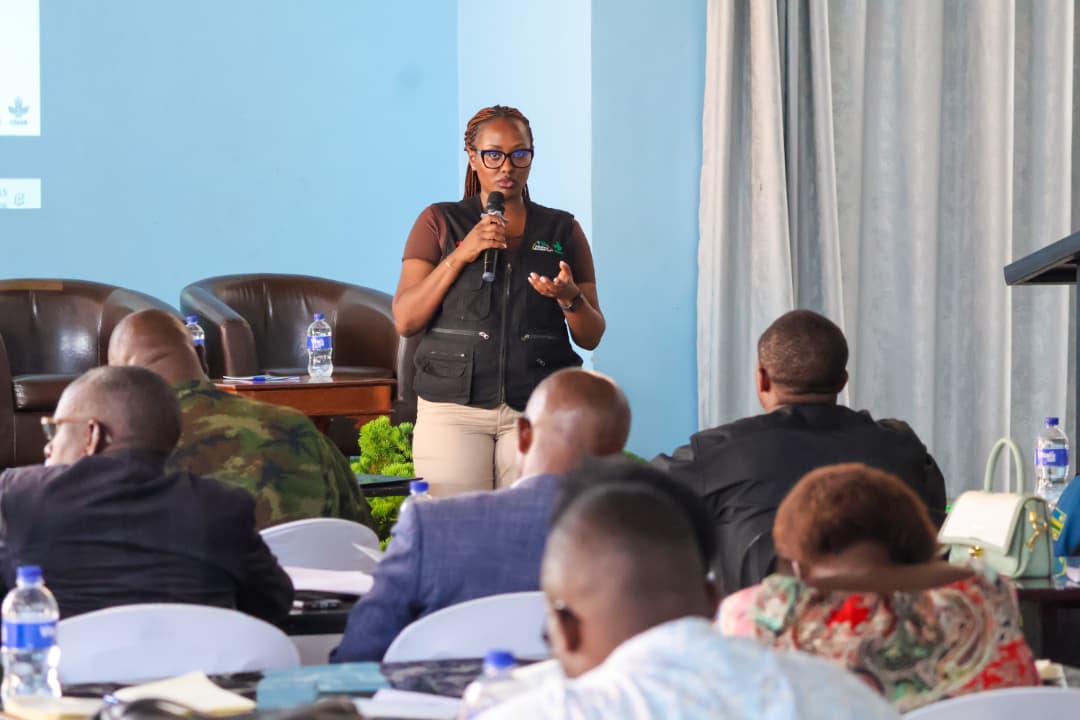
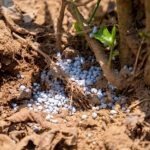
Justine Umutoni, a Research Associate for the Alliance of Bioversity International – CIAT said soil testing was conducted before bean seeds were distributed to help guide recommendations on production and fertiliser use.
She said the approach was initially tested in Kigali, Rwamagana and Kayonza districts before being expanded to Western Rwanda, where the project is now working with schools in Nyamasheke, Rusizi and Karongi.
The expansion was intended in part to address nutrition challenges affecting children in the region, Umutoni said.
“We are here, together with our partners, to see how best we can contribute to fighting malnutrition in Nyamasheke District, as well as in Rusizi and Karongi districts,” she said.
The International Centre for Tropical Agriculture (CIAT) says the wider project has also supported the cultivation of 300 hectares, tested 283 soil samples and distributed 18.5 metric tonnes of high-iron bean seed since implementation began.
The project is funded by the Swiss Agency for Development and Cooperation and implemented by the Alliance of Bioversity International and CIAT through the Pan-Africa Bean Research Alliance, in partnership with the Government of Rwanda and district authorities.
For schools in Nyamasheke, increasing production will depend not only on access to improved seed and machinery but also on timely access to agricultural inputs, sufficient land, reliable water, and continued technical support.
Ndashimye said schools, families, government institutions and development partners all have a role to play in addressing malnutrition and ensuring school feeding remains a priority.
Mujawayyesu also called for greater involvement of parents in addressing malnutrition at household level and urged development partners to support schools with irrigation equipment and continued agronomic assistance.
The schools now hope the combination of improved seed, technical training and mechanisation will help them produce more of the food they need for school meals while building a more sustainable source of food and income.