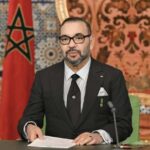
Prime Minister Dr. Justin Nsengiyumva has urged 769 young Rwandans who completed the 16th cohort of Itorero Indangamirwa to make responsible choices as they navigate growing opportunities and challenges facing their generation.
Nsengiyumva made the call Aug. 10, 2026, during the closing ceremony of the 40-day training at the Gabiro Military Training Centre in Gatsibo District.
He told the graduates that, although young Rwandans today have more opportunities and a more promising future than previous generations, they will also encounter distractions and temptations that could affect their choices.
“There are many opportunities for young people like you to take advantage of, but I also want to remind you that there are many distractions and temptations,” Nsengiyumva said. “Often, you will find that doing the right thing seems difficult, but that is where your values and integrity will be demonstrated.”
The prime minister urged the graduates to use the values and discipline acquired during the training to guide their decisions and contribute to Rwanda’s continued development.
He contrasted their responsibilities with those of the generation that helped rebuild Rwanda after the 1994 Genocide against the Tutsi.
Nsengiyumva said that generation inherited a country devastated by the genocide but demonstrated courage by rebuilding the country, restoring unity among Rwandans and laying the foundation for the development Rwanda has achieved today.
“You grew up in a Rwanda that has rebuilt itself, with many opportunities and a promising future,” he said. “Your responsibility is to protect what has been achieved and build on it, taking the country far beyond where it is today.”
The 16th cohort comprised 769 participants, including 315 women and 454 men.
The participants came from different backgrounds, including Rwandans living or studying abroad, students from international secondary schools in Rwanda, university students and young people who performed well in the 13th cohort of Inkomezabigwi.

During the 40-day training, participants studied the Kinyarwanda language, Rwandan cultural values and taboos, as well as military skills and other aspects of national service.
The program also sought to strengthen patriotism, discipline and a sense of responsibility among the participants as they prepare to contribute to the country’s development.
The graduates join 5,216 other young Rwandans who completed the previous 15 cohorts of Itorero Indangamirwa.
Since the program was launched in 2008, a total of 5,985 young Rwandans have completed the 16 cohorts.