Bugesera District is rapidly transforming from a quiet rural area into one of Rwanda’s emerging centers for residence, investment, connectivity, and tourism. Alongside expanding infrastructure and growing economic activity, local entrepreneurs are helping shape the district’s evolving identity.
One entrepreneur shaping development is Jean Claude Bariruka, founder of Happy Time: Resto-Bar & Pub in Nyamata. Established in 2016, Bariruka started a modest restaurant and bar at a time when Nyamata was still developing and economic activity remained limited. Despite this, Bariruka and his wife recognized the district’s future potential.
Jean Claude Bariruka, founder of Happy Time: Resto-Bar & Pub in Nyamata.
“We had been living here since 2011, and we believed in what this place could become,” he says.
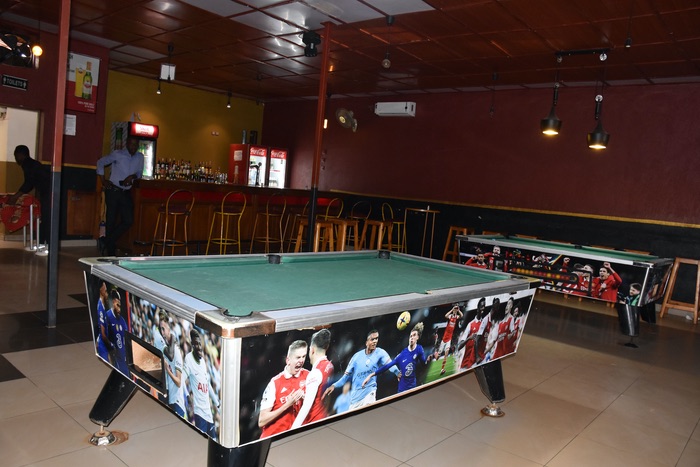
Over time, Happy Time expanded into a diversified hospitality business. In addition to food and drinks, it now includes a coffee shop, accommodation with 12 rooms, and an outside catering service for weddings, anniversaries, and institutional events. The establishment can host up to 300 guests and has become well known in Bugesera’s social and business community.
The company’s growth reflects careful planning and family commitment. Bariruka transitioned from work in the NGO sector into full-time entrepreneurship, while his wife, then a civil servant, helped manage and grow the business from its earliest days. Together, they built a family-driven enterprise focused on discipline and long-term vision.

Today, Happy Time employs 16 people and sources most of its supplies from local producers and service providers. This local sourcing strengthens Bugesera’s broader economic ecosystem.
Bariruka believes quality service is essential, especially in a district still building its reputation as a destination. Cleanliness, comfort, and customer care are central to the business.
“Good service doesn’t just represent us—it represents the district,” he says.
His perspective reflects Bugesera’s wider development story.
However, development also brings challenges. For businesses like Happy Time, inconsistent electricity supply remains a major obstacle, which disrupt operations, and generators increases operating costs. These challenges highlight the need for infrastructure growth to keep-up the pace.

Despite this, Bariruka remains optimistic about Bugesera’s future. He sees the district as a long-term investment destination across several sectors and credits local authorities for supporting investors.
Happy Time has become more than a business; it reflects how local entrepreneurs contribute to shaping Bugesera’s future. While large infrastructure projects may transform the landscape, enterprises like Happy Time help define the district’s character, service culture, and sense of community.
As Bugesera continues to grow, Bariruka’s story shows that development is driven not only by policy and investment, but also by individuals willing to believe in opportunity and create spaces where people can gather, connect, and feel at home.