Rwanda has launched the second phase of the Green Amayaga project, a $20 million initiative aimed at strengthening climate resilience, restoring degraded land and improving livelihoods in the country’s drought-prone Southern Province.
The project, known as Green Amayaga II, was officially launched on May 30 in Gisagara District and expands on a six-year program that delivered environmental and economic benefits across the districts of Gisagara, Kamonyi, Nyanza and Ruhango.
The new phase will also extend activities to Muhanga and Huye districts, bringing the total number of participating districts to six.
According to the Rwanda Environment Management Authority (REMA), the first phase of the project received about 10.2 billion Rwandan francs (more than $7 million) in funding from development partners. Its results helped secure nearly $20 million for the expanded second phase.
The initiative focuses on restoring degraded ecosystems, protecting biodiversity, reducing the impacts of climate change and supporting sustainable livelihoods in the Amayaga region, an area that frequently experiences drought and land degradation.
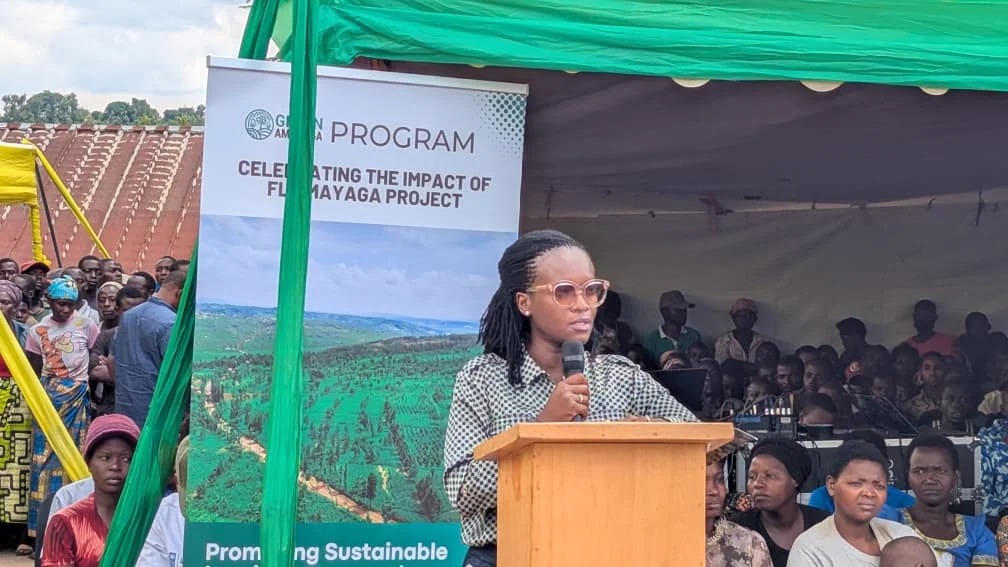
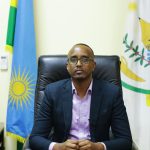
Dr. Bernadette Arakwiye, Minister of Environment
The launch coincided with Rwanda’s Environment Week. Environment Minister Dr. Bernadette Arakwiye joined REMA Director General Juliet Kabera, local officials and residents in anti-erosion activities on a steep hillside in Gikonko Sector, Gisagara District.
Arakwiye said the project would continue efforts to improve land management, increase agricultural productivity, expand forest cover, create jobs and strengthen community resilience.
Kabera said Green Amayaga was introduced to address severe environmental degradation that threatened parts of Amayaga region.
“There was a serious erosion problem, and in some places the land was on the verge of becoming desert-like,” she said. “We constructed terraces, planted trees, promoted agroforestry and distributed livestock to restore land productivity and improve livelihoods.”
She said the project combines environmental conservation with economic development by creating alternative sources of income for local communities. Families received cattle and small livestock, while fruit trees planted under the program have begun producing harvests that contribute to household incomes and nutrition.
The project is funded through the United Nations Development Programme (UNDP) with support from the Global Environment Facility (GEF).
UNDP Resident Representative in Rwanda Dr. Fatmata Sesay said protecting environmental gains requires long-term commitment from governments, communities and development partners.
“As we celebrate today’s achievements, we must remember that environmental protection is not a one-time activity,” she said. “The trees planted must continue to grow, restored ecosystems must continue to be protected, and the partnerships that have been built must continue.”
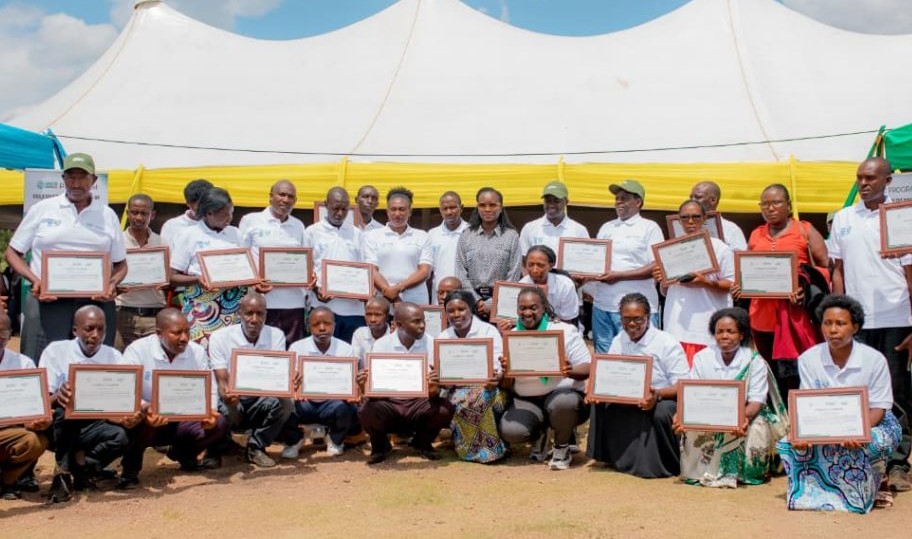
The launch of Green Amayaga II also marked the official conclusion of the project’s first phase. REMA reported that more than 416,000 people benefited from the program, including through the creation of more than 100,000 jobs linked to environmental conservation activities.
Women accounted for 60.85% of beneficiaries, underscoring their role in conservation and community development efforts.
The project restored more than 37,900 hectares (93,650 acres) of degraded land through reforestation, agroforestry and sustainable land management practices. These measures improved soil fertility, conserved water resources and increased agricultural productivity across the region.
More than 224,000 households received improved cookstoves designed to reduce firewood consumption and ease pressure on forests. Project activities also prevented the emission of more than 625,000 metric tons of carbon dioxide over six years.
In addition, more than 14,000 households received livestock, including cows, goats and pigs, helping improve incomes, nutrition and agricultural productivity through the use of organic manure.
Local farmer Birindwa Jean Paul from Mamba Sector in Gisagara District said the project helped curb soil erosion and improve the productivity of farmland.
“Once the trees matured, the soil stopped being washed away,” he said, adding that fruit farmers are now harvesting produce and generating income from their orchards.