A 60-kilometre trip from Kigali to Ruhuha Sector in Bugesera District reveals more than just improved road infrastructure. Along the newly constructed and well-lit Nyanza–Ruhuha route, which connects eastern Rwanda to Tanzania, modern homes are steadily emerging.
At first glance, one might mistake residents for visitors from Kigali enjoying a day out in Bugesera’s green plains. Many appear neat, smartly dressed, and live in visibly clean homes in a sector increasingly thriving on business opportunities brought by the upgraded road network.

Ruhuha sector residents celebrate the top award in Hygiene practices in Bugesera district.
This transformation is partly the result of a hygiene and sanitation initiative developed by Bugesera District in partnership with the Rwanda NGOs Forum on HIV/AIDS and Health Promotion. The program aims to promote behavioral change among communities at risk of contracting Schistosomiasis (SCH) and Soil-Transmitted Helminthiasis (STH).
Rwanda has made significant progress in eliminating and reducing Neglected Tropical Diseases (NTDs), particularly trachoma, sleeping sickness, and jiggers. In the case of jiggers, success was largely driven by community hygiene campaigns, improved housing such as replacing dusty floors with cement and coordinated efforts by local government and non-governmental organizations.
Building on this experience, the Rwanda Biomedical Center (RBC), in collaboration with RNGOF and Bugesera District, launched a pilot program that combines awareness and education with incentives rewarding the best-performing communities to strengthen impact.
Rwanda has set an ambitious goal to eliminate all NTDs by 2030. While diseases such as Schistosomiasis, Soil-Transmitted Helminthiasis, Lymphatic Filariasis, and Onchocerciasis have not yet been fully eliminated, they are under strong control and targeted for eradication within the set timeframe.
To accelerate progress, Viateur Ndayisabye, Bugesera district health officer, says two key innovations under Rwanda’s Interruption of Transmission (IoT) agenda have been introduced: hygiene competitions and close monitoring to motivate residents.
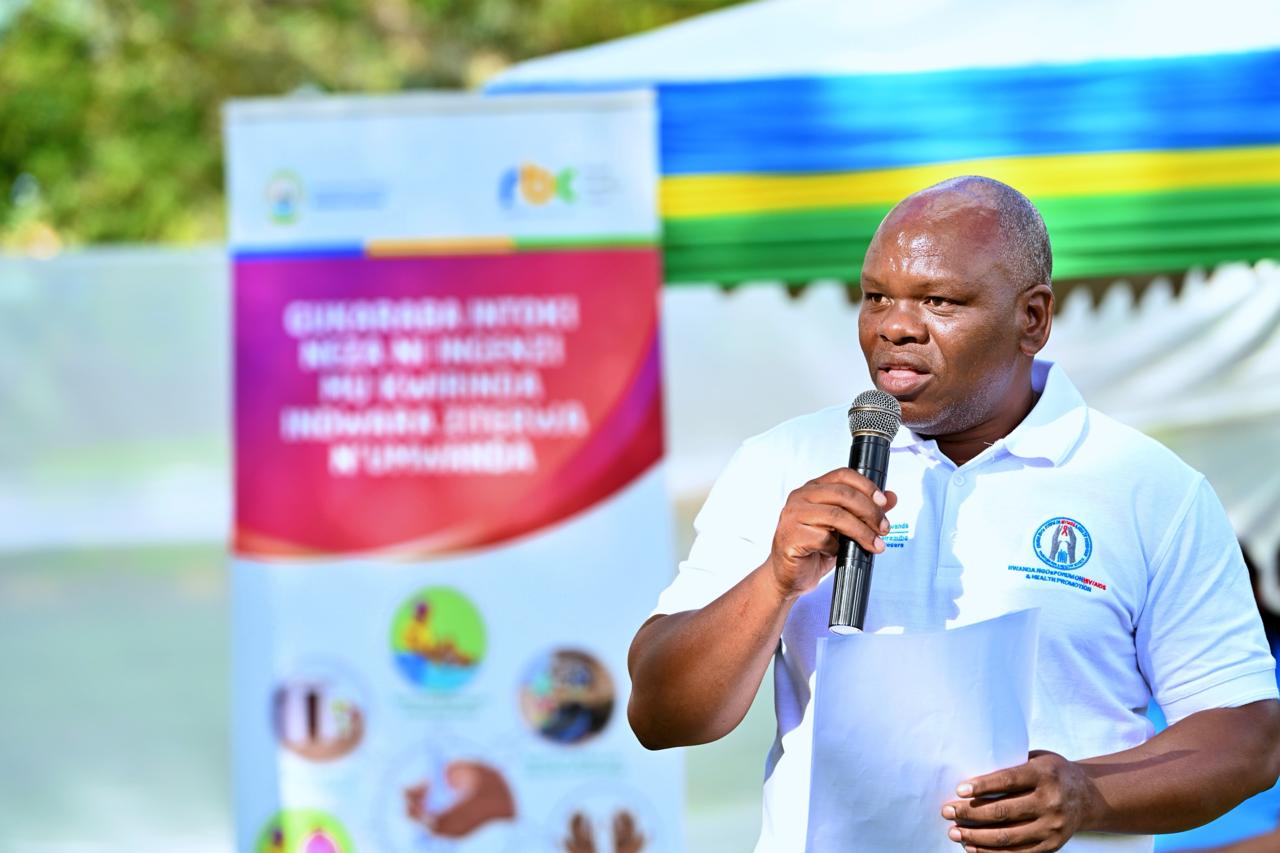
Viateur Ndayisabye, Bugesera District Health Officer
Bugesera and Ruhango districts remain high-risk areas due to unsafe water contact, poor sanitation, and weak hygiene practices linked to livelihoods such as rice farming and fishing. Although mass drug administration has reduced infections, reinfection persists where hygiene behaviors do not improve.
Experience shows that traditional sensitization increases awareness but does not always result in lasting behavior change. Communities need motivation, ownership, and social reinforcement to sustain improved practices.
WASH sector-based competitions have emerged as an effective social and behavior change strategy by recognizing top-performing sectors, showcasing best practices, and encouraging others to replicate them.
According to Ndayisabye, the approach has delivered tangible results by creating positive peer pressure, community pride, and accountability.
He adds that the model aligns well with Rwanda’s sector-based governance system and complements the IoT agenda, making it both practical and sustainable in reducing transmission of SCH and STH.
“It is important to note that direct monitoring and evaluation has been a key lesson in achieving success, as it creates a strong sense of ownership,” Ndayisabye said.
A campaign report in Bugesera highlights notable progress within just two months of community engagement. A total of 591 public places were inspected for latrines and waste disposal facilities. All had latrines, 589 had waste bins, and 436 met required hygiene standards.
Additionally, 80,076 households were assessed for sanitation indicators such as latrine availability, animal shelters, handwashing facilities (Kandagira Ukarabe), and safe drinking water storage. Of these, 79,944 had latrines, 50,944 had handwashing stations, 78,857 treated drinking water, and 18,219 were connected to the water supply network.
Awareness campaigns and monitoring were conducted across all sectors, totaling 60 monitoring activities. WASH committees were present in all cells, although some were not holding regular meetings.
During the campaign, 18 new toilets were constructed, 62 were renovated, and several others are pending completion.
This progress saw Ruhuha Sector emerge as the best-performing sector in implementing the campaign. On April 22, 2026, sector officials received 173 iron sheets to support roofing of newly constructed household toilets.
Marthe Uwamugira, executive secretary of Ruhuha Sector, said the success was driven by local monitoring and evaluation committees, support in constructing toilets, and strong community ownership.
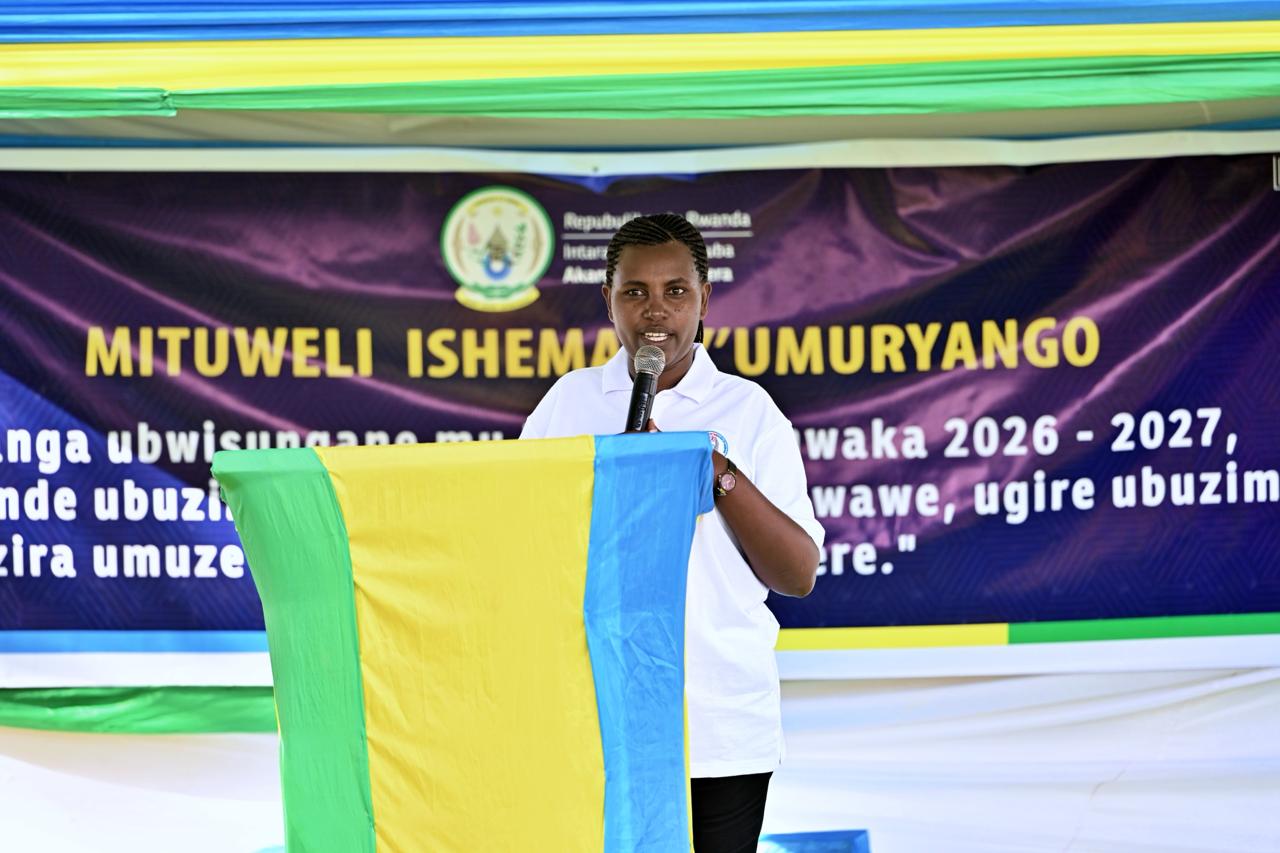
Marthe Uwamugira, executive secretary of Ruhuha Sector,
She noted that the award will further strengthen efforts to promote community engagement, sustainability, and local ownership of hygiene and sanitation practices.
Dr. Eric Niyongira, coordinator of Rwanda’s IoT agenda, said the awards are designed to motivate communities to take ownership of hygiene programs. Lessons from Bugesera and Ruhango will be scaled up nationwide by the end of 2027 to help eliminate the two diseases by 2030.
“We want to see a collective effort, with communities owning these initiatives to eliminate NTDs. This requires a shift in mindset, as well as innovative approaches like competitions to deepen engagement,” Niyongira said.
“The best practices and outcomes of this pilot program will enable us to scale up and achieve national goals, driven by strong community ownership,” he added.