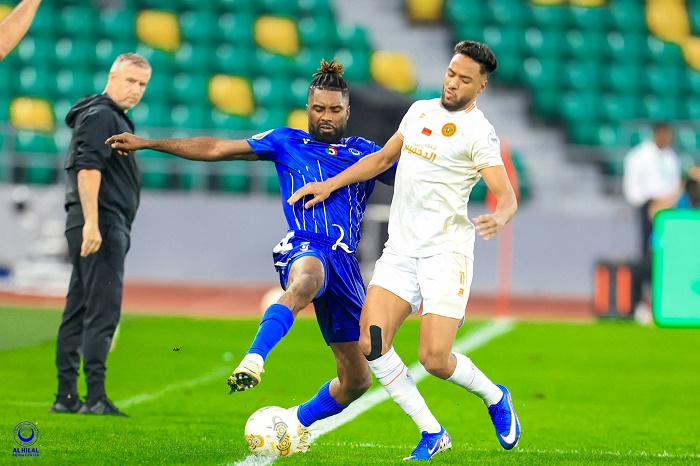
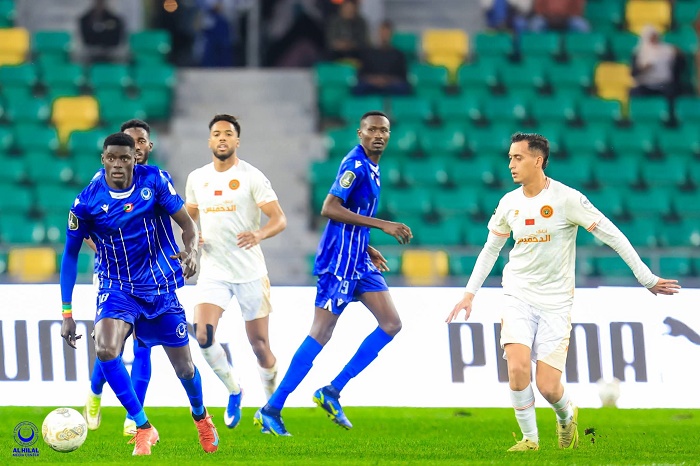
It’s a tough one to take. Over two legs, there was very little between the sides, but Berkane edged it 2–1 on aggregate, and the real blow came deep into stoppage time in the second leg at Amahoro Stadium. Just as it looked like the game might drift away, Mounir Chouiar popped up in the 90+3 minute to settle it.
What makes it even harder is how the match unfolded. Berkane, the Moroccan side had earlier missed a penalty in the 61st minute, denied by Al Hilal goalkeeper Soufiane Ouedraogo, who stepped up when it mattered. For a while, it felt like that save might be the turning point. But football can be cruel like that, one moment you’re holding on, the next it’s gone.
Across both legs, Al Hilal competed well. The first leg was tight, with Berkane grabbing a late penalty to keep things level, and the return leg followed a similar script; tense, balanced, decided by a single moment. Al Hilal created chances, no doubt about that, but just couldn’t find that cutting edge when it counted most.
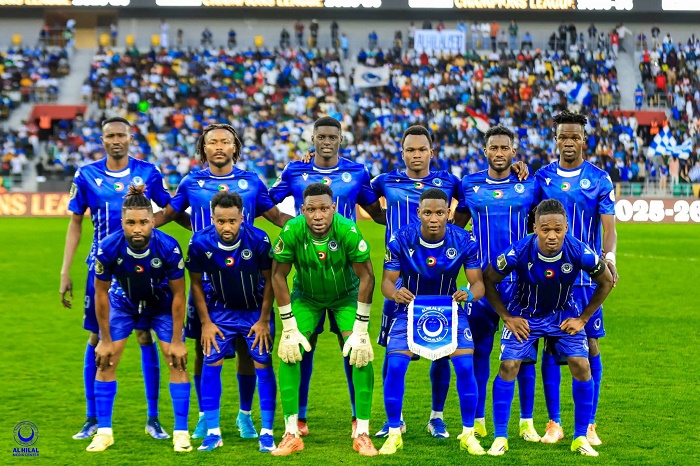
You also have to look at the bigger picture. This hasn’t been a normal campaign for Al Hilal. Playing their home games in Kigali, far from Sudan, hasn’t been easy. The situation back home has forced them to adapt, relocate, and essentially rebuild their routine in a different country. That kind of disruption can break teams, but to their credit, Hilal have stayed competitive.
And not just competitive, they’ve delivered. Wins against strong sides like MC Alger, TP Mazembe, and Mamelodi Sundowns show exactly what this group is capable of.
Domestically, they’ve carried that form into the Rwandan Premier League as well. They’ve been right in the mix near the top, and as things stand, they sit third with 45 points from 21 matches. It’s tight up there, just three points behind Al Merrikh and four off leaders APR FC, so there’s still plenty to play for.
Financially, the run in the Champions League will give the club a solid boost. Reaching the quarter-finals typically brings in around $900,000, and when you factor in group-stage earnings and performance bonuses, Al Hilal are looking at somewhere north of $1.6 million, potentially even pushing past the $2 million mark depending on incentives.
So yes, the continental journey ends here, and it’s a painful exit given how close they were. But there’s also a sense that this team is building something. The focus now shifts to maintaining momentum in the league and, more importantly, learning from moments like this, because at this level, it’s often the smallest margins that decide how far you go.