The recent conflict between the U.S. and Iran may seem far, but its creating volatility, with serious implications for East Africa.
The latest escalation, which began on February 28, 2026, when the United States, in coordination with Israel, launched a significant military operation against Iran, has opened a new chapter of active hostilities. The strikes targeted key Iranian military sites and leadership, including the death of Iran’s Islamic leader, Ayatollah Khamenei.
As the situation intensifies, analysts at the Institute for Security Studies warn that East African states are especially vulnerable to the impacts of this conflict, caught between major powers and their proxy battles. While countries like South Africa, Kenya, and Egypt have voiced concerns about the situation, the reality is that they may be forced to take sides in a battle with global consequences.
Security Concerns: The Growing Threat
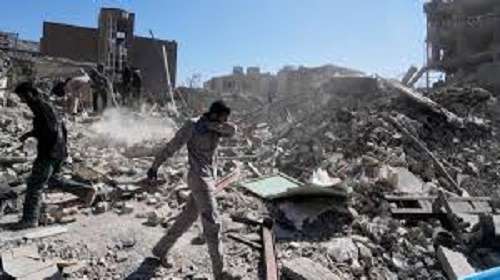
East Africa’s vulnerability lies in its proximity to the Middle East’s shifting power dynamics. U.S. military assets in Djibouti and Somalia, as well as Israeli interests in Eritrea, could become targets of retaliatory strikes from Iran or its proxies, such as the Houthis. Iran’s projectiles have already been seen lighting up Cairo’s night sky, a stark reminder of the region’s security fragility.
This could have broader repercussions if global powers—like Russia, China, or NATO—get involved, potentially dragging East African nations into this larger geopolitical struggle.
“Africa often becomes an unintended theatre of competition and collateral damage,” said one analyst at the Institute for Security Studies. These conflicts can easily spill over into Africa, where regional powers face direct risks, often becoming pawns in much larger global games. The scars of the Ukraine and Gaza conflicts are still fresh, and the emerging situation in Iran feels eerily similar in its potential to destabilize the continent.
Economic Fallout: Rising Costs and Tightening Budgets
The economic implications for East Africa are also significant. One of the most immediate concerns is the spike in global oil prices. The Strait of Hormuz, through which one-third of the world’s oil flows, is at risk of disruption due to the ongoing conflict. This would exacerbate the already volatile energy prices in East Africa, pushing up the cost of transport, food, and energy. Countries like Kenya and
Ethiopia, which are heavily dependent on oil imports, will feel the brunt of this surge, potentially worsening the already existing cost-of-living crisis.
Additionally, the broader economic consequences could affect African economies in more subtle ways. The global “flight to safety” typically strengthens the U.S. dollar, making African currencies weaker and raising the costs of debt servicing for sovereigns already strained by high levels of debt. This could lead to tighter fiscal constraints in countries like Kenya and Nigeria, where more than 30% of revenue already goes toward servicing debt.
Smaller economies, particularly those reliant on customs-sharing agreements, are expected to suffer as trade disruptions deepen.
The ripple effects of the Iran conflict could also further delay Africa’s recovery from the economic shocks of the pandemic and the ongoing Ukraine war, forcing governments to redirect already limited resources away from development to cover widening fiscal gaps.
The impact of the Iran conflict is not just felt on the ground — it is also disrupting air travel across East Africa. Both RwandAir and Kenya Airways have been forced to cancel flights to and from the Middle East due to safety concerns. According to a statement from RwandAir, “We regret to inform our passengers that due to the ongoing geopolitical tensions in the Middle East, all flights to destinations in the region are temporarily suspended until further notice. The safety of our passengers and crew is our top priority.”
Human Security: Migration and Social Instability
The human security risks are equally concerning. With food insecurity, climate shocks, and governance challenges already straining many African countries, additional instability from the Middle East could exacerbate migration flows. As people flee the crisis, Europe may face a new wave of refugees, diverting resources that would otherwise go to African development. This would further undermine safety nets for Africa’s most vulnerable populations.
In countries like Nigeria, where Shiite groups have a strong presence, religious and sectarian tensions are also rising. Protests have already erupted in northern Nigeria, where thousands of people have taken to the streets in solidarity with Iran. As tensions flare, these local disputes could escalate into more widespread unrest, further destabilizing the region.
Shifting Global Priorities and Africa’s Geostrategic Value
As the great powers focus on the Middle East, Africa’s geostrategic value risks further decline. The continent already feels the effects of Western powers’ disengagement, particularly in the Sahel, where countries like Mali, Burkina Faso, and Niger are battling insurgencies with increasingly limited support. If the West shifts its focus even further, Africa may find itself less able to manage its own security challenges.
Moreover, Africa’s strong stance on nuclear disarmament under the Pelindaba Treaty could be undermined if the Iran conflict leads to an arms race in the Middle East. Should Iran abandon its nuclear restraint, it could set off a chain reaction, prompting other regional powers to follow suit, weakening Africa’s position in future global arms control discussions.
The Need for a Unified Response
In the face of these growing risks, East African leaders must act swiftly and decisively. While the conflict unfolds far away, its consequences are already reaching African shores. Security collaboration across the region must be strengthened to reduce dependence on foreign powers, and diplomatic efforts must be unified to protect Africa’s interests on the global stage. Economic resilience is key, particularly as African governments look for ways to mitigate the impacts of rising oil prices and tightening budgets.
As the Institute for Security Studies aptly notes, “Africa often becomes an unintended theatre of competition and collateral.” The Iran conflict may seem distant, but its fallout is already being felt in the region. East African leaders must prioritize diplomacy, regional cooperation, and economic resilience to navigate this volatile period and safeguard their countries’ futures.