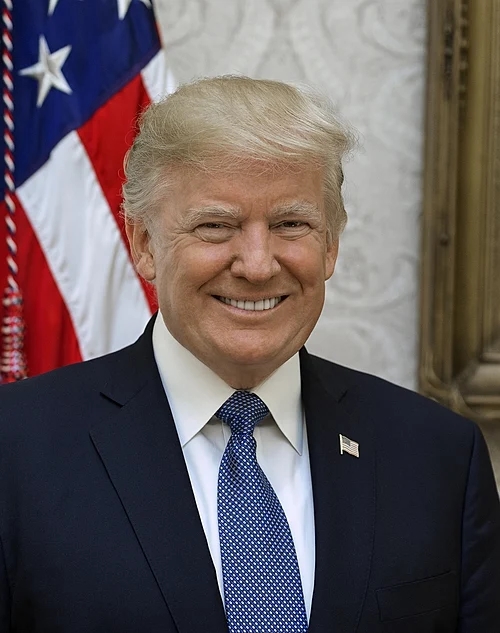
In a decision drawing global attention, particularly across Africa, US President Donald Trump announced that the country will withdraw from 66 international organisations and agreements. This includes the UN Framework Convention on Climate Change (UNFCCC), the Intergovernmental Panel on Climate Change (IPCC), the UN Economic Commission for Africa, and other UN bodies that support African development.
The White House described these institutions as acting against US interests, criticizing them for promoting what it called “radical climate policies, global governance, and ideological programs” that undermine national sovereignty.
The UNFCCC withdrawal marks the first time a country has left the treaty, which was ratified in 1992 to address climate change. The US had previously exited the Paris Agreement for a second time last year. The pullback also affects agencies supporting renewable energy, biodiversity conservation, maternal health, family planning, and democratic governance across Africa.
Experts warn that Africa could face serious consequences, as it contributes less than 4% of global greenhouse gas emissions but is highly vulnerable to climate disasters like droughts and floods. One analyst noted, “Reducing US involvement weakens global coordination at a time when the world needs collective action most.”
White House officials defended the withdrawals as part of a review initiated after Trump’s return to office. They said the administration will no longer fund international institutions that they believe do not align with American values.
The move raises questions about the future of multilateralism and leaves Africa uncertain about funding, technical support, and diplomatic advocacy for development and climate adaptation initiatives.