Rwanda is encouraging homeowners to install solar panels on their rooftops as part of a national push to expand renewable energy, cut electricity costs and reduce reliance on fossil fuels.
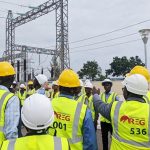
State Minister for Infrastructure Jean de Dieu Uwihanganye launched Energy Week on Tuesday, saying advances in technology have made solar power more affordable and accessible than in past years.
“In previous years, solar energy was expensive and difficult to access because the technology was not advanced. That is no longer the case,” Uwihanganye said. “We are encouraging people to use their rooftops as power sources to cook, heat water and meet other household needs.”
Rwanda currently generates just over 400 megawatts of electricity, which officials acknowledge is far below demand. Under the government’s seven-year plan, renewable sources are expected to account for 50% of the country’s total energy mix.
Uwihanganye said greater reliance on solar and other clean energy will eventually lower electricity costs nationwide.
Ivan Twagirashema, chair of the Rwanda Independent Power Producers Association, said the country has multiple renewable options to pursue. “We are looking at solar, hydropower, wind, and biofuels from plants such as sugarcane,” he said.
This year’s Energy Week, which began Sept. 9, brings together policymakers, private energy providers and international partners to exchange expertise on how to scale up renewable generation. Discussions are focused on how to accelerate deployment of modern technologies that can expand access and reliability.
Environmental experts also emphasize that renewable energy is critical to curbing climate change, as it does not release harmful emissions. Over time, officials say, clean energy is expected to gradually replace fossil fuels that dominate in developed countries.
According to the Rwanda Energy Group, 82.2% of households had electricity access as of February. Of those, 57.4% were connected to the national grid, while 24.8% relied on off-grid solutions, including solar power.
Officials say boosting rooftop solar installations will not only help Rwanda meet its renewable energy targets but also improve household energy security in rural communities where extending the national grid remains costly and complex.